
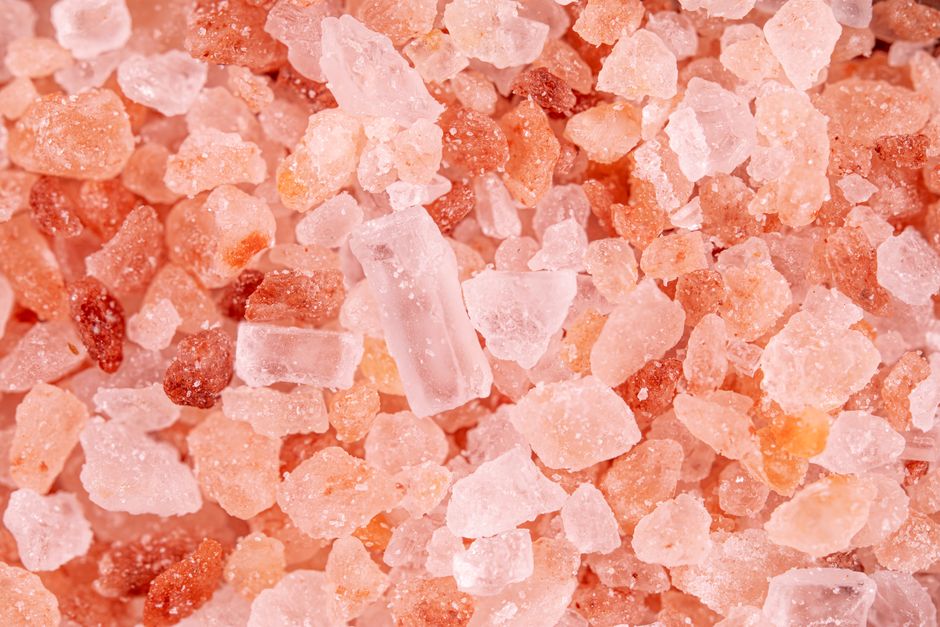
Pink salt has become a social media star, with videos claiming that a pinch under the tongue or a glass of “sole water” can fix dehydration, boost energy, and balance your body’s minerals. The trick is not a proven health remedy. For most healthy adults, a small pinch of pink salt is harmless, but it offers no special benefit over regular table salt, and larger amounts can raise your blood pressure and sodium intake in ways that matter.
Pink salt is chemically similar to ordinary salt. Its color comes from trace minerals, mainly iron oxide, not from any unique healing property. The claims attached to the “trick” often outrun what research actually shows.
What Exactly Is the Pink Salt Trick?
The pink salt trick is a loose collection of habits that all involve putting pink Himalayan salt into or onto your body in a specific way. The most common versions are placing a few grains under the tongue, stirring a pinch into a glass of water, or drinking a concentrated salt solution called sole water first thing in the morning.
Supporters say these methods deliver minerals faster, support hydration, and help with energy or electrolyte balance. Some videos also suggest it can ease muscle cramps or curb cravings.
None of these specific rituals have been tested in clinical trials. There is no research showing that holding salt under the tongue does anything different from swallowing it. Once salt dissolves, it is absorbed the same way regardless of where it entered your mouth.
What is well established is simpler. Sodium is an essential mineral your body needs. Your kidneys and hormones regulate sodium balance tightly, and for most people eating a normal diet, that system works fine without any special salt ritual.
Is Pink Himalayan Salt Healthier Than Regular Salt?
No. Pink Himalayan salt and ordinary table salt are both roughly 98% sodium chloride. The remaining few percent is where they differ, and that difference is tiny.
Pink salt contains trace amounts of minerals like iron, calcium, potassium, and magnesium. Those trace minerals are what give it its color. But the amounts are so small that they contribute almost nothing to your daily nutrient needs.
To put it in perspective, you would need to eat an unrealistic amount of pink salt to get a meaningful dose of magnesium or potassium from it. You would hit dangerous sodium levels long before that happened. A bowl of beans, a banana, or a serving of leafy greens delivers far more of those minerals with none of the sodium load.
Table salt is often fortified with iodine, which supports thyroid function. Pink salt is not. That is actually a point in favor of regular iodized salt for most people, since iodine deficiency remains a real public health concern in some diets.
Is the Pink Salt Trick Safe to Try?
For a healthy adult with normal blood pressure and normal kidney function, a small pinch of pink salt is not dangerous. The body handles modest amounts of sodium routinely. The concern is not one pinch. It is the pattern of adding extra salt on top of what you already eat.
Most Americans already consume more sodium than recommended. Federal dietary guidelines advise limiting sodium to less than 2,300 milligrams per day, which equals about one teaspoon of salt. Many people regularly exceed that without adding any salt at all, because processed foods, restaurant meals, and canned goods are already loaded with it.
Adding a daily salt ritual pushes intake higher. Over time, excess sodium can contribute to high blood pressure, which raises the risk of heart disease, stroke, and kidney problems. This is not a rare edge case. High blood pressure is one of the most common conditions in the United States.
Certain groups should be especially careful:
- People with high blood pressure or heart failure
- People with kidney disease, whose kidneys cannot clear excess sodium well
- Anyone advised by a clinician to follow a low-sodium diet
- People taking medications that affect fluid or sodium balance, such as diuretics
If you fall into any of these groups, adding salt on purpose is a decision to discuss with your doctor, not something to try because of a video.



Does the Pink Salt Trick Actually Help With Hydration?
Sodium does play a real role in hydration. Your body needs electrolytes, including sodium, to hold onto water and keep fluid balance steady. That part is true and well understood.
But the claim that a pinch of pink salt transforms your hydration is not supported. For everyday hydration, plain water and a normal diet supply what your body needs. Your kidneys adjust sodium and water levels continuously without any special intervention.
Electrolyte drinks and sodium replacement matter in specific situations, such as prolonged intense exercise, heavy sweating in hot conditions, or recovery from significant fluid loss. In those cases, replacing both water and electrolytes is genuinely useful. But that is a different scenario from a morning salt ritual for general health.
The idea that most people are chronically dehydrated and need salt to fix it is not backed by evidence. Thirst is a reliable signal for healthy adults. Drinking water when you are thirsty covers the basics.
Can Pink Salt Help With Muscle Cramps or Energy?
Muscle cramps and low energy get blamed on “electrolyte imbalance” constantly online, and salt is offered as the fix. The reality is more complicated.
Exercise-associated muscle cramps are not fully understood. Some research points to fatigue and nerve overactivity rather than electrolyte loss alone. The evidence that salt prevents or treats cramps is mixed, and studies have not settled the question.
For energy, sodium is not a fuel source. It does not provide calories or directly boost energy. Feeling tired has many possible causes, from poor sleep to anemia to thyroid issues, and a salt ritual does not address any of them.
If you have frequent cramps or persistent fatigue, that is worth a conversation with a clinician. Self-treating with salt may delay finding the actual cause.
What Are the Risks of Following Salt Trends?
The main risk is gradual and easy to miss. Extra sodium raises blood pressure in many people, and high blood pressure usually has no symptoms until it has done damage over years. You will not feel a daily pinch of salt harming you.
There is a second risk that is less obvious. Trends like this can crowd out real solutions. If someone with a genuine medical issue, such as a sodium disorder or a heart condition, relies on a salt ritual instead of getting evaluated, the delay can matter.
There is also a myth worth correcting directly. Some posts claim that pink salt “detoxes” the body or “balances pH.” Your body regulates its own pH within a very narrow range through the lungs and kidneys. No food or salt changes that. The liver and kidneys handle waste removal, and no salt trick speeds that up. These claims have no scientific support.
How Much Sodium Do You Actually Need?
Sodium is essential, and the body needs some to function. The question is how much, and whether adding more helps.
Federal guidelines recommend keeping sodium under 2,300 milligrams per day for most adults. The average American intake is well above that. This is why public health guidance focuses on reducing sodium, not adding it.
There is no established guideline recommending a daily salt ritual for the general population. No major health organization suggests holding salt under your tongue or drinking sole water for wellness. These practices come from wellness culture, not clinical recommendations.
The table below shows how pink salt and table salt compare on the points that matter most.
| Feature | Pink Himalayan Salt | Table Salt |
|---|---|---|
| Main component | Sodium chloride (about 98%) | Sodium chloride (about 98%) |
| Trace minerals | Small amounts (iron, calcium, potassium, magnesium) | Minimal |
| Iodine | Usually none | Often fortified |
| Sodium per gram | Roughly 390 mg | Roughly 390 mg |
| Proven health advantage | None established | Iodine source |
The sodium content is essentially the same. Swapping pink salt for table salt does not lower your sodium intake.
The Bottom Line on the Pink Salt Trick
The pink salt trick is not a proven health practice. It is not uniquely dangerous in tiny amounts for healthy people, but it is also not the mineral fix or hydration hack that videos promise. Pink salt is salt, with a few trace minerals that do not amount to much.
If you enjoy the taste, using pink salt in normal cooking is fine for most people. The problem is the ritual framing, which suggests a benefit that the evidence does not support and encourages adding sodium most people already get too much of.
If you are concerned about hydration, electrolytes, energy, or cramps, those are worth discussing with a clinician who can look at your actual situation. A salt habit is not a substitute for that.
Frequently Asked Questions
Is the pink salt trick safe?
For most healthy adults, a small pinch of pink salt is not dangerous, but it offers no proven benefit. Larger or daily amounts can raise sodium intake and blood pressure, so people with high blood pressure, heart, or kidney conditions should be cautious.
Is pink Himalayan salt healthier than regular salt?
No, both are about 98% sodium chloride and contain similar sodium levels. Pink salt has only trace amounts of other minerals, too little to matter nutritionally, and it usually lacks the iodine that table salt provides.
Does putting pink salt under your tongue do anything?
There is no evidence that holding salt under the tongue works differently from swallowing it. Once salt dissolves, it is absorbed the same way regardless of where it entered your mouth.
Can pink salt help with hydration or muscle cramps?
Sodium does help the body hold onto water, but plain water and a normal diet cover everyday hydration needs. The evidence that salt prevents muscle cramps is mixed, and no research confirms a daily salt ritual improves either.
