
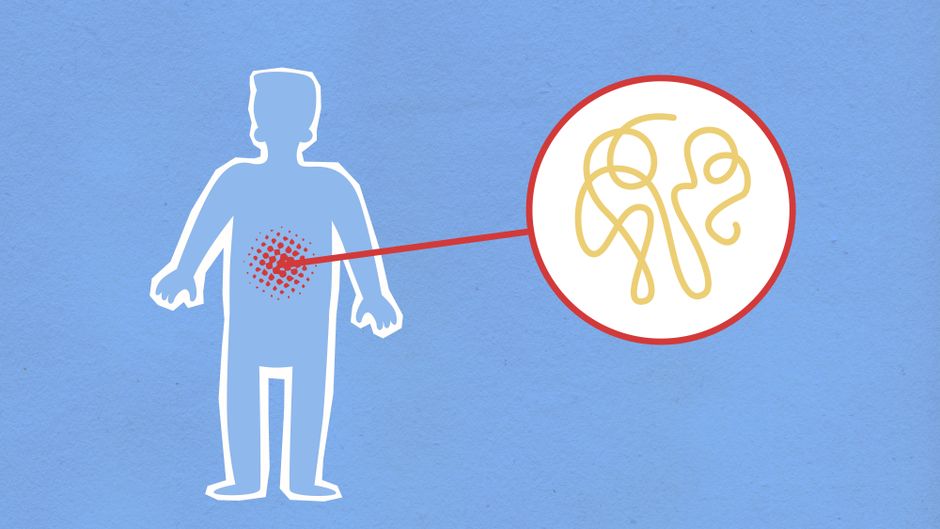
Digestion in the large intestine is primarily chemical, though it also involves a significant mechanical component. The large intestine does not break down food with the same grinding force as the stomach, but it does mix contents through muscle contractions. However, its main role is chemical—specifically, it relies on bacteria to ferment undigested material and on the absorption of water and electrolytes. Neither process works alone; the colon uses both mechanical mixing and bacterial chemical action to complete the digestive process.
What Happens in the Large Intestine?
The large intestine, also called the colon, is the final stop for food that your body has not absorbed. By the time food reaches this point, most nutrients have already been taken into the bloodstream in the small intestine. What arrives in the colon is mostly water, fiber, and the remnants of digested food.
The colon has three main jobs. It absorbs water and electrolytes, it ferments undigested fiber using bacteria, and it forms and stores stool. These tasks rely on both mechanical movements and chemical reactions. The mechanical part comes from muscle contractions that mix and move the contents along. The chemical part comes from the trillions of bacteria living there.
Most people do not realize that the large intestine is not essential for survival in the way the small intestine is. People can live without a colon, though they need to manage hydration and diet carefully. This tells us something important—the colon’s primary role is efficiency, not necessity, for basic digestion.
Is the Large Intestine Mechanical or Chemical Digestion?
The large intestine performs both mechanical and chemical digestion, but chemical digestion is more important to its function. Mechanical digestion in the colon involves segmental contractions that churn the contents. These contractions mix the material and expose more surface area to the colon wall and to bacteria. This mixing is much gentler than the stomach’s churning, but it is still mechanical digestion.
Chemical digestion in the large intestine is unique. It is not driven by human enzymes like digestion in the stomach or small intestine. Instead, it is driven by the gut microbiome. Bacteria in the colon ferment undigested carbohydrates, especially fiber. This fermentation produces short-chain fatty acids, gases, and other compounds that the body can use or excrete.
So the answer is not a simple either-or. The colon uses mechanical mixing to support chemical fermentation. The chemical work of bacteria is what actually transforms the remaining material. If you had to choose one as the dominant process, chemical digestion is the more significant one in the large intestine.
What Is Mechanical Digestion in the Colon?
Mechanical digestion refers to the physical breakdown of food. In the mouth, this means chewing. In the stomach, it means churning. In the large intestine, mechanical digestion is much less aggressive. The colon does not grind food into smaller pieces because the food has already been broken down into a liquid or semi-liquid state by the time it arrives.
The colon uses two main types of muscle contractions. The first is called haustral churning. The haustra are small pouches in the colon wall. They contract and relax to move contents from one pouch to the next. This movement exposes the contents to the colon wall so water can be absorbed.
The second type is mass movement. These are stronger contractions that push stool toward the rectum. Mass movements typically happen a few times a day, often after meals. They are responsible for the urge to have a bowel movement.
Neither of these movements breaks down food chemically. They only mix and propel it. But this mixing is essential because it ensures the colon wall and bacteria have contact with all the material passing through.



What Is Chemical Digestion in the Colon?
Chemical digestion in the large intestine is entirely different from chemical digestion elsewhere in the body. In the stomach and small intestine, your body produces enzymes that break down proteins, fats, and carbohydrates. The large intestine produces no digestive enzymes of its own.
Instead, the colon relies on bacteria. These bacteria ferment undigested carbohydrates, primarily fiber. This fermentation process produces short-chain fatty acids like butyrate, acetate, and propionate. These fatty acids are an energy source for the cells lining the colon. They also play a role in maintaining gut health and regulating inflammation.
Butyrate is particularly important. It is the main energy source for colonocytes, the cells that line the colon. Without adequate fiber in the diet, these cells have less fuel. Some research suggests that a diet low in fiber may contribute to colon health problems over time, though the exact relationships are still being studied.
The chemical digestion performed by bacteria also affects the pH of the colon contents. Fermentation produces acids that lower the pH. This acidic environment influences which bacteria thrive and how minerals like calcium and magnesium are absorbed.
How Does the Microbiome Affect Colon Digestion?
The gut microbiome is a collection of trillions of microorganisms living in your digestive tract. The largest concentration is in the colon. These bacteria are not passive passengers. They actively participate in digestion.
The composition of your microbiome affects how well you ferment fiber and produce short-chain fatty acids. People with diverse microbiomes tend to produce more beneficial fatty acids. People with less diversity may have less efficient fermentation. This is an active area of research, and scientists are still learning how much of this variation matters for health.
Diet is the main factor that shapes your microbiome. A diet high in fiber provides the fuel that beneficial bacteria need. A diet low in fiber and high in processed foods tends to support a less diverse microbial community. This does not mean you need to become a fiber fanatic. It means that the bacteria in your colon depend on what you eat.
Some research suggests that the microbiome may influence conditions like irritable bowel syndrome and inflammatory bowel disease. However, the evidence is not yet strong enough to recommend specific probiotic treatments for these conditions. The relationship between the microbiome and disease is complex and not fully understood.
What Role Does Water Absorption Play?
Water absorption is one of the colon’s most important functions. The small intestine delivers about one to two liters of liquid to the colon each day. The colon absorbs most of this water, leaving only about 100 to 200 milliliters in the stool.
This absorption is not mechanical or chemical digestion. It is a transport process. The colon wall actively pulls water and electrolytes like sodium and chloride out of the contents. This is why diarrhea can be dangerous—it means the colon did not have enough time to absorb water.
Fiber affects water absorption. Soluble fiber absorbs water and forms a gel. Insoluble fiber adds bulk. Both types help form stool that is soft enough to pass easily. A diet too low in fiber can lead to hard, dry stool and constipation.
Why Does This Distinction Matter for Your Health?
Understanding the difference between mechanical and chemical digestion in the colon helps you make better food choices. The colon’s chemical digestion depends on fiber. Without enough fiber, the bacteria in your colon do not have fuel to produce the short-chain fatty acids that support gut health.
Mechanical digestion in the colon depends on hydration and movement. Dehydration makes the contents harder and more difficult to move along. Physical activity also stimulates colon contractions. A sedentary lifestyle is associated with slower bowel transit time.
The practical takeaway is simple. Eat enough fiber, drink enough water, and stay active. These three habits support both the mechanical and chemical functions of your colon. No supplement replaces the basic need for fiber in the diet.
Fiber supplements can help some people, but they are not equivalent to dietary fiber. Whole foods provide fiber along with other nutrients. The evidence for fiber supplements is mixed, while the evidence for dietary fiber is well established.
Frequently Asked Questions
Does the large intestine produce digestive enzymes?
No. The large intestine does not produce digestive enzymes. Instead, it relies on bacteria to ferment undigested material chemically.
What type of digestion happens in the large intestine?
Both mechanical and chemical digestion happen in the large intestine. Mechanical digestion involves muscle contractions that mix contents, while chemical digestion involves bacterial fermentation of fiber.
Why is fiber important for colon digestion?
Fiber provides fuel for the bacteria in the colon. These bacteria ferment fiber to produce short-chain fatty acids, which support the health of the cells lining the colon.
Can you digest food without a large intestine?
Yes. The small intestine absorbs nearly all nutrients. People who have their colon removed can survive, but they need to manage hydration and may have more frequent bowel movements.
