
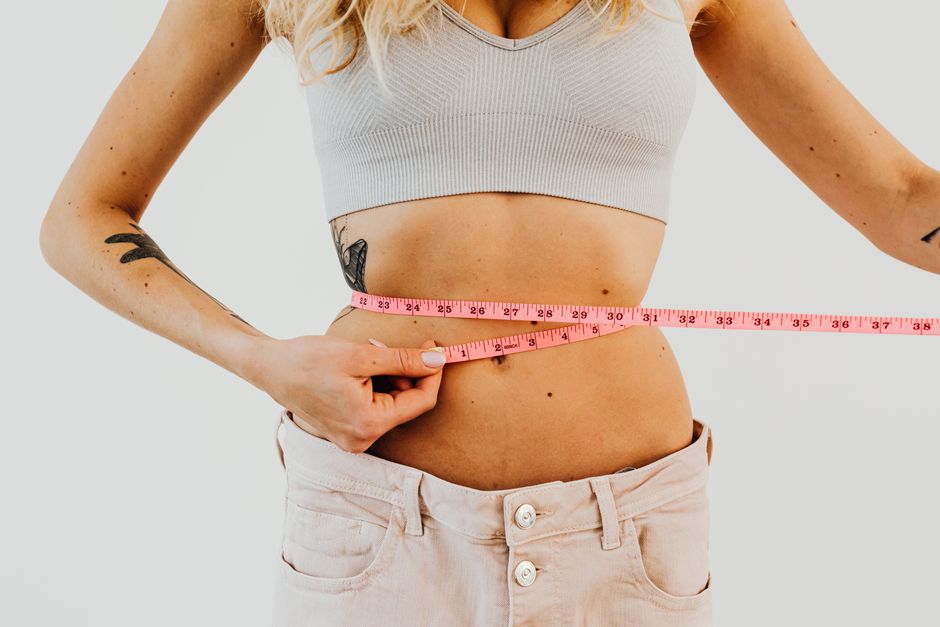
No, gelatin does not cause weight loss. There is no clinical evidence that eating gelatin — alone or mixed into a drink — leads to fat loss, and the “gelatin trick” is a social media trend, not a medical treatment. Gelatin is simply protein made from animal collagen, and the modest satiety it may provide is the same effect you would get from eating any protein-rich food.
That doesn’t make gelatin useless. It’s a real food with a real nutritional profile. But the claims attached to it online have outpaced the science by a wide margin. Here’s what is actually known.
What is the gelatin trick for weight loss, and where did it come from?
The gelatin trick is a loose collection of online claims that eating gelatin, usually dissolved in warm water or mixed into tea, coffee, or juice, suppresses appetite or “melts” fat. Versions of it circulate on TikTok, Instagram, and diet blogs, often with before-and-after photos and no sourcing.
The idea borrows credibility from a genuine scientific fact: gelatin is made of collagen, and collagen is the most abundant protein in the human body. That fact is true. It has nothing to do with fat loss, but it sounds like it should.
Some versions of the trick claim gelatin “boosts metabolism” or “flushes toxins.” Neither claim has any support. Metabolism is not something a food can meaningfully accelerate, and the body already has a liver and kidneys for clearing waste.
Does gelatin actually help with weight loss?
No study has shown that gelatin causes weight loss. Not in humans, and not in any well-designed trial. If you search the clinical literature for gelatin and body weight, you find studies on joint pain, skin, and protein supplementation — not fat loss.
What gelatin can do is contribute protein to your diet, and protein is more satiating than fat or carbohydrate. Research consistently shows that protein-rich meals reduce hunger and increase fullness compared with meals of the same calories from other sources. That effect is real. It is also not specific to gelatin.
Gelatin is an incomplete protein. It lacks tryptophan, one of the nine essential amino acids, so it cannot support muscle building on its own the way a complete protein like eggs, dairy, or soy can. That matters for anyone trying to preserve muscle while losing fat.
Is collagen or gelatin better for weight loss?
Neither one causes weight loss. The two are closely related — gelatin is essentially cooked, broken-down collagen — and neither has been shown in clinical trials to reduce body fat.
Collagen supplements are heavily marketed for skin, hair, and joints. The evidence for those uses is mixed and generally modest. For weight loss specifically, the evidence is essentially absent.
One practical difference: collagen peptides dissolve more easily in cold liquids, which is why they dominate the supplement market. Gelatin sets into a gel when cooled, which is useful for making gummies or desserts but inconvenient for a drink. That’s a texture difference, not a metabolic one.
What does gelatin actually contain?
Gelatin is nearly pure protein, with almost no fat or carbohydrate. A typical serving provides roughly 6 grams of protein per tablespoon of powdered gelatin, though the exact amount varies by brand. Check the label on whatever you buy.
It contains no fiber, no vitamins, and no minerals in meaningful amounts. It is not a “superfood” by any nutritional definition. It is a protein source with an unusual amino acid profile — high in glycine and proline, low in tryptophan and other essential amino acids.
That amino acid profile is why gelatin has been studied for joint health and skin elasticity, with mixed results, and why it is not a good sole protein source. It’s fine as part of a varied diet. It is not a substitute for complete proteins.
Why do people report losing weight on the gelatin trick?
People report weight loss on almost every diet trend, and there are ordinary reasons for it that have nothing to do with gelatin.
- Replacing something else. If a gelatin drink replaces a sugary soda or a high-calorie snack, the calorie reduction drives the weight loss, not the gelatin.
- Increased protein overall. People who start eating gelatin often start paying attention to protein in general, which does reduce appetite.
- Behavior change. Starting any new health routine tends to prompt other changes — more water, more vegetables, fewer late-night snacks.
- Water weight. Early weight changes on any diet are often fluid shifts, not fat loss.
None of these are the gelatin working. They are the person changing their behavior around the gelatin.
Is gelatin safe to eat every day?
Gelatin is generally recognized as safe as a food ingredient by regulatory bodies, and eating it in normal food amounts is not considered risky for most people. It has a long history in the food supply.
Some cautions are worth knowing. Gelatin is an animal product, so it is not suitable for vegetarians or vegans, and some religious groups avoid pork-derived gelatin. People with allergies to the source animal should avoid it. And because gelatin is a protein, very large supplemental doses could matter for people with certain kidney conditions — anyone in that category should ask their doctor before adding protein supplements.
Gelatin supplements are not regulated the way drugs are. Purity and label accuracy vary by brand, which is true across the supplement industry.
What actually works for weight loss?
Sustained weight loss comes from a calorie deficit, and the evidence for how to achieve one is broad and consistent. The approaches with the strongest support are not exotic.
Eating more protein, more fiber, and more whole foods tends to reduce hunger naturally. Regular physical activity helps preserve muscle and supports long-term weight maintenance. Sleep and stress management matter more than most people expect. Behavioral programs and, for some people, medical or surgical treatment under a doctor’s care have strong evidence behind them.
Gelatin can fit into a weight-loss diet as a protein source or as a substitute for higher-calorie desserts. That’s a reasonable use. It is not a treatment, and no evidence supports presenting it as one.
Frequently Asked Questions
Does the gelatin trick really work for weight loss?
No. No clinical study has shown that gelatin causes weight loss, and any appetite effect is the same general protein effect you would get from other protein foods.
How much gelatin should I take to lose weight?
No clinical guidelines exist for gelatin as a weight-loss aid because the evidence does not support that use. Follow the serving size on the product label if you choose to eat it as a food.
Can gelatin burn belly fat?
No food burns fat, and gelatin is no exception. Fat loss happens when you are in a calorie deficit over time, regardless of which foods you eat.
Is gelatin or collagen better for losing weight?
Neither has been shown to cause weight loss in clinical trials. The choice between them comes down to texture and convenience, not to any difference in fat-burning effect.
