
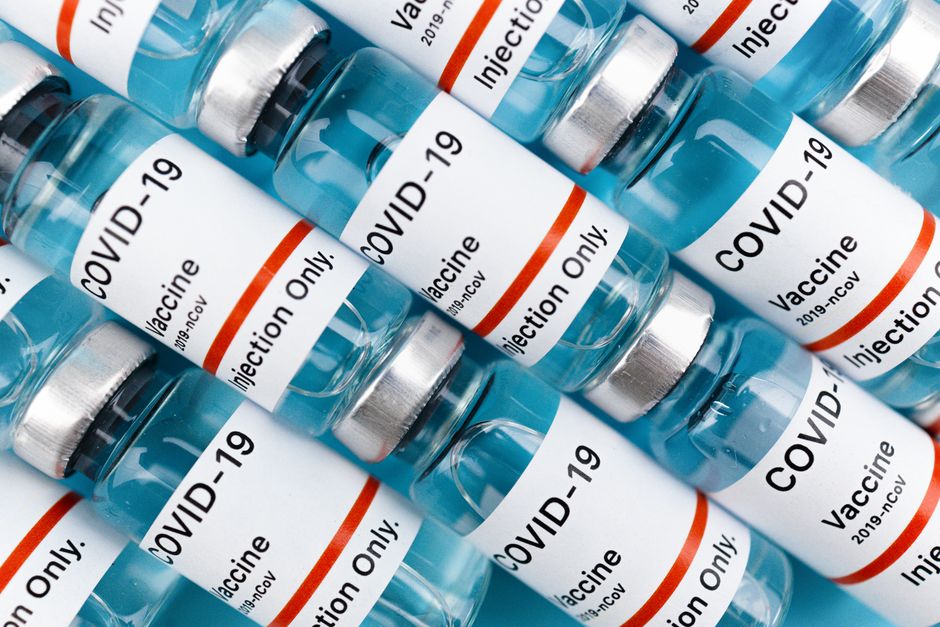
The COVID-19 vaccines used in the United States are approved or authorized by the FDA, but the details differ by product and by age group. The original Comirnaty (Pfizer-BioNTech) and Spikevax (Moderna) vaccines received full FDA approval for adults. The 2023–2024 and later updated formulas were licensed through a different pathway and, for some age groups, made available under emergency use authorization. What you are offered today depends on your age and which version is currently in circulation.
That distinction matters less than it sounds. All COVID-19 vaccines available in the US have met the FDA’s standards for safety and effectiveness for their authorized use. The difference between full approval and emergency authorization is largely about how much long-term follow-up data the agency has reviewed, not about whether the product works.
What Does FDA Approval Actually Mean for a Vaccine?
Full FDA approval — called licensure — is the standard pathway for any medicine or vaccine in the US. A company submits clinical trial data, manufacturing information, and safety records. The FDA reviews them and, for vaccines, typically consults an independent advisory committee before deciding.
Approval means the agency has determined the benefits outweigh the risks for a specific use in a specific population. It is not a one-time stamp. The FDA continues to monitor safety after approval through systems that track reports of side effects and rare events.
Emergency use authorization (EUA) is a separate, faster pathway. It exists for public health emergencies when no approved alternative is available. The FDA still requires clinical trial data, but the standard is “may be effective” rather than the higher bar of proven effectiveness. An EUA can be revised or withdrawn as conditions change.
For COVID-19 vaccines, both pathways have been used. The original adult vaccines moved from EUA to full approval. Updated formulas have generally been authorized or licensed for the season they target, which reflects how the vaccines are now updated much like the flu vaccine each year.
Which COVID-19 Vaccines Have Full FDA Approval?
Two products have received full FDA approval for adults. Comirnaty, made by Pfizer-BioNTech, was approved for people 16 and older. Spikevax, made by Moderna, was approved for adults 18 and older.
These approvals covered the original vaccine formulas. Since then, the manufacturers have produced updated versions that target newer variants. Those updated formulas have been made available through licensure or emergency authorization depending on the age group and the specific season.
The Johnson & Johnson vaccine is no longer available in the US. The company discontinued it, and its authorization was withdrawn. Novavax makes a protein-based COVID-19 vaccine that has been available under authorization for adults and, at times, adolescents.
Because the exact authorization status shifts with each updated formula, the most reliable source is the FDA’s own vaccine information pages or your state health department. Product labels and age ranges are updated regularly.
Is the COVID-19 Vaccine Still Under Emergency Use?
Partly. The original adult vaccines are fully approved, but some current formulas and some age groups are covered by emergency use authorization rather than full licensure.
This is not unusual or alarming. Vaccine formulas are updated to match circulating variants, and regulators often authorize the updated version while the full approval review for that specific formula is still underway. The same pattern happens with seasonal flu vaccines, which are reformulated each year.
What an EUA does not mean is that the vaccine skipped testing. Clinical trials and safety monitoring are still required. It means the review timeline was compressed because of the public health need.
One clarification worth knowing: a vaccine being “authorized” rather than “approved” does not mean it is experimental or unproven. It means the regulatory pathway is different, and the FDA has determined the known and potential benefits outweigh the known and potential risks for the stated use.
How Does the FDA Decide a COVID-19 Vaccine Is Safe?
The FDA reviews clinical trial data on thousands of participants before any authorization or approval. Trials are designed to detect common side effects and to look for signals of serious ones. Independent committees monitor the data as trials proceed.
After a vaccine is in use, safety monitoring continues through several systems. The Vaccine Adverse Event Reporting System collects reports from clinicians and the public. The Vaccine Safety Datalink links vaccination records to health records across large health systems to detect rare events that trials are too small to catch.
These systems have identified rare but real risks. Myocarditis and pericarditis — inflammation of the heart muscle or its lining — have been linked to the mRNA vaccines, mostly in young males after the second dose. The risk is low, and the condition is generally treatable, but it is real and was detected through post-authorization monitoring.
This is how vaccine safety surveillance is supposed to work. Rare events surface after widespread use, and regulators weigh them against the benefits of vaccination.
Does Approval Status Change Whether You Should Get Vaccinated?
No. The regulatory label tells you how the FDA reviewed a product, not whether it protects you. A vaccine under emergency authorization has still been evaluated for safety and effectiveness.
The decision to vaccinate is a personal health choice best made with your clinician, based on your age, health conditions, and current recommendations. COVID-19 vaccination reduces the risk of severe illness, hospitalization, and death, particularly for older adults and people with certain chronic conditions.
Recommendations on who should get a COVID-19 vaccine and how often have changed over time as the virus and the vaccines evolved. Current guidance from public health authorities is the best place to check what applies to you right now.
If you have had a severe allergic reaction to a vaccine ingredient, or a history of myocarditis after an mRNA vaccine, talk to your doctor before getting another dose. Those are situations where individual medical advice matters more than a general recommendation.
What Should You Check Before Getting a COVID-19 Vaccine?
Confirm which product is being offered and whether it is approved or authorized for your age group. Ask about the current formula and the recommended schedule for your situation.
- The specific vaccine brand and formula
- Whether it is FDA-approved or authorized for your age
- Any allergies or prior reactions to vaccines
- Current public health recommendations for your age and health status
- Whether you have a condition that affects your immune response
People who are immunocompromised may have different schedules and may not mount as strong a response. That is a conversation for your clinician, not a general rule that applies to everyone.
The FDA’s approval and authorization decisions are published and updated as products change. Checking the agency’s site or asking your pharmacist is faster and more accurate than relying on social media or headlines from a previous season.
Frequently Asked Questions
Are COVID-19 vaccines fully FDA approved?
The original Pfizer-BioNTech and Moderna vaccines received full FDA approval for adults. Updated formulas and some age groups are covered by emergency use authorization rather than full licensure.
What is the difference between FDA approval and emergency use authorization?
Full approval requires the FDA to determine a product’s benefits outweigh its risks based on extensive data. Emergency authorization is a faster pathway used during public health emergencies with a lower evidence standard, though clinical trial data is still required.
Is the COVID-19 vaccine still experimental?
No. COVID-19 vaccines have been given to hundreds of millions of people worldwide and are supported by large clinical trials and ongoing safety monitoring. The emergency use pathway is a regulatory category, not a sign that a product is untested.
Which COVID-19 vaccine is no longer available in the US?
The Johnson & Johnson vaccine was discontinued and its authorization withdrawn. Pfizer-BioNTech, Moderna, and Novavax products remain available depending on the season and age group.
