
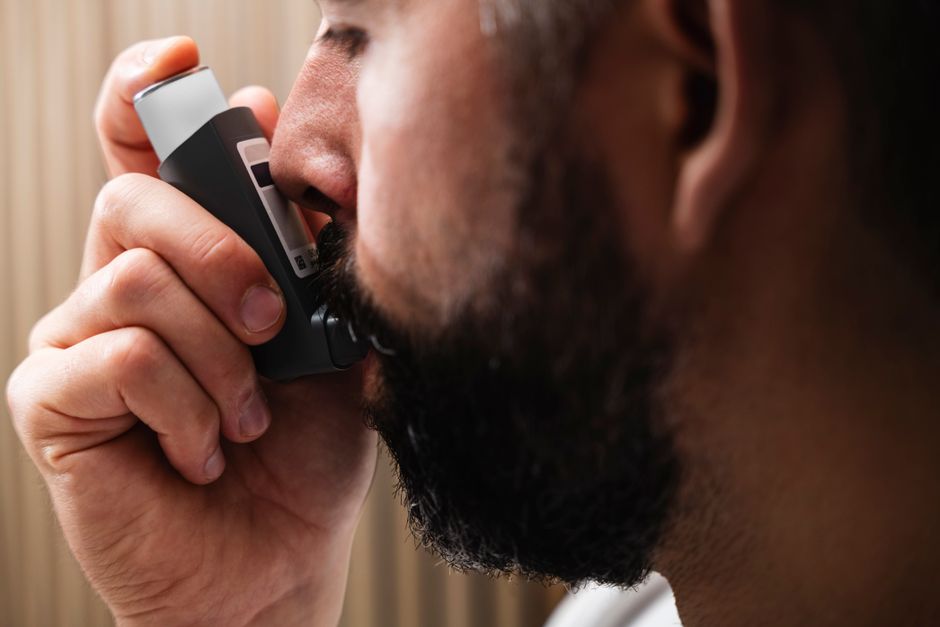
THC can open up the airways in the short term, and that effect has been measured in human studies going back decades. Inhaled THC has been shown to cause rapid bronchodilation in people with asthma, often within minutes. But that single fact has been stretched into a much bigger claim than the evidence supports. THC is not a treatment for asthma, and for some routes of use it may actually irritate the lungs.
What Does “Bronchodilator” Actually Mean?
A bronchodilator is anything that relaxes the smooth muscle wrapped around your airways, causing them to widen. When those muscles tighten, air has a harder time moving in and out. A bronchodilator reverses that tightening.
Doctors use prescription bronchodilators like albuterol to treat asthma and COPD. These drugs work on specific receptors in the airway muscle. The effect is fast, predictable, and dose-controlled.
THC appears to act on some of the same airway tissue, but through different pathways. That is the part that gets interesting — and the part that gets overstated.
Is THC a Bronchodilator? What the Science Shows
Yes, inhaled THC has demonstrated bronchodilator effects in controlled human studies. This is not a fringe claim. It has been documented in clinical research since the 1970s.
In those studies, people with and without asthma inhaled THC and showed measurable increases in airflow. The effect came on quickly — typically within minutes — and lasted a few hours. Researchers measured this using standard lung function tests that track how much air a person can forcefully exhale.
The mechanism is thought to involve cannabinoid receptors located on airway smooth muscle and in the nerves that control airway tone. When THC binds these receptors, the muscle tends to relax.
Here is where the caution matters. A measurable short-term effect in a lab setting is not the same as a safe or effective treatment. Studies have not shown that THC improves asthma control over time, reduces asthma attacks, or replaces standard rescue inhalers. No major medical guideline recommends THC for any lung condition.
How Does THC Affect the Airways Mechanically?
Your airways are lined with smooth muscle, and that muscle is under the control of your nervous system and local chemical signals. Bronchoconstriction happens when that muscle contracts. Bronchodilation happens when it relaxes.
THC interacts with CB1 and CB2 receptors. CB1 receptors are found throughout the nervous system, including in the lungs. Some research suggests THC may also influence the release of acetylcholine, a chemical that tells airway muscle to tighten. By reducing that signal, THC may allow the muscle to relax.
This is a real physiological mechanism, not speculation. But mechanism alone does not make something a treatment. Many substances relax airway muscle in a lab dish and never become useful drugs, because the dose needed, the side effects, or the delivery method make them impractical or unsafe.





Does Smoking or Vaping THC Help or Harm the Lungs?
Smoking THC is a different story from the isolated bronchodilator effect. Burning plant material produces smoke, and smoke irritates airways regardless of what else is in it.
Research on people who smoke cannabis regularly has found higher rates of chronic bronchitis, coughing, and mucus production compared to non-smokers. Some studies show airway inflammation in regular cannabis smokers. The evidence on whether cannabis smoking leads to COPD is less clear and still debated, but the irritation and bronchitis findings are consistent.
Vaping avoids combustion but is not harmless. Vaping devices heat a liquid or oil into an aerosol. That aerosol can contain ultrafine particles, flavoring chemicals, and other additives. The long-term lung effects of vaping are not well understood because the products and patterns of use are relatively new.
There is also a specific and serious concern: vitamin E acetate, an additive found in some illegal THC vaping products, was identified by health authorities as a likely cause of a serious lung injury outbreak in 2019. That outbreak caused hospitalizations and deaths. This is a clear example of how a delivery method can turn a bronchodilator effect into a lung injury risk.
Why Isn’t THC Used as an Asthma Treatment?
The short answer is that the risks and limitations outweigh the short-term benefit, and better options already exist.
Consider what an asthma treatment needs to do:
- Open airways reliably and predictably
- Work at a controlled, consistent dose
- Be safe for repeated daily use
- Reduce attacks and improve long-term control
THC does not meet these standards. Its effects vary from person to person and product to product. Dosing is imprecise. Inhaled delivery exposes the lungs to smoke or aerosol. And there is no evidence it prevents asthma attacks or improves long-term outcomes.
Prescription bronchodilators, by contrast, are tested for all of these things. They are available in metered doses. Their safety profiles are well documented. For anyone with asthma, standard inhalers remain the appropriate treatment.
There is also a practical concern worth naming. THC causes psychoactive effects. A medication that makes you impaired is not a good fit for a condition that can flare at any time and may need clear-headed, fast action.
What About CBD and the Airways?
CBD is a different molecule with a different receptor profile. Some early research has looked at CBD for airway inflammation, but the human evidence is limited.
Most of what exists comes from lab studies or small trials, not large controlled human studies. It would be inaccurate to say CBD is a bronchodilator based on current evidence. It would also be inaccurate to say it has no airway effects. The honest position is that the research is early and the clinical picture is not settled.
If you see a product claiming CBD “opens your airways” or “supports lung health,” that claim is not backed by strong human evidence.
Can THC Interact With Asthma Medications?
This is an under-discussed area. THC and other cannabinoids are processed by the same liver enzymes that break down many medications. That creates a theoretical risk of interactions.
Theophylline, an older asthma drug, has a narrow safety window, meaning small changes in its blood level can matter. Some research suggests cannabis compounds could affect how the body handles theophylline, though the human data is not extensive. This is a case where the mechanism is plausible but the clinical evidence is thin.
If you use cannabis and take any prescription medication, that is a conversation to have with your doctor or pharmacist. Do not assume it is harmless just because both are common.
What Are the Real Risks of Using THC for Breathing Problems?
The biggest risk is not the THC itself. It is using THC instead of proven treatment.
Asthma attacks can become severe quickly. A rescue inhaler works in minutes and is designed for exactly that moment. Delaying that treatment to try cannabis could allow a flare to worsen. In rare cases, untreated severe asthma attacks can be life-threatening.
Other risks include:
- Lung irritation and chronic bronchitis from regular smoking
- Impaired judgment from THC’s psychoactive effects
- Unpredictable dosing, especially with edibles or unregulated products
- Potential interactions with prescription medications
- Contamination or additives in unregulated products
None of this means THC has no interesting biology. It does. But interesting biology and a safe, effective treatment are two different things.
The Bottom Line on THC and Bronchodilation
THC has a documented, measurable bronchodilator effect when inhaled. That finding is real and has been replicated in human studies. What has not been shown is that THC is a safe or effective way to treat asthma or any other lung condition.
The gap between “this molecule relaxes airway muscle” and “this is a treatment” is wide. It requires controlled trials showing real benefit, acceptable safety, and reliable dosing. THC has not cleared that bar, and the delivery methods that are most common — smoking and vaping — carry their own lung risks.
If you have asthma or another breathing condition, stick with treatments that have been tested and approved. If you are curious about cannabis for any health reason, talk to a clinician who knows your history. That is not a brush-off. It is the honest path when the evidence is this mixed.
Frequently Asked Questions
Is THC a bronchodilator?
Yes, inhaled THC has been shown to widen the airways in controlled human studies, with effects appearing within minutes. However, this short-term effect does not make THC an approved or recommended treatment for asthma or other lung conditions.
Can THC help with asthma?
No clinical evidence shows THC improves asthma control, prevents attacks, or replaces standard inhalers. Smoking or vaping THC can irritate the lungs and may make breathing symptoms worse over time.
Does CBD open your airways?
The human evidence for CBD as a bronchodilator is limited and not settled. Most research so far comes from lab studies, not large controlled trials in people.
Why do doctors not recommend THC for breathing problems?
THC has unpredictable dosing, psychoactive effects, and no evidence of long-term benefit for lung conditions. Inhaled delivery also exposes the lungs to smoke or aerosol, which carries its own risks.
