
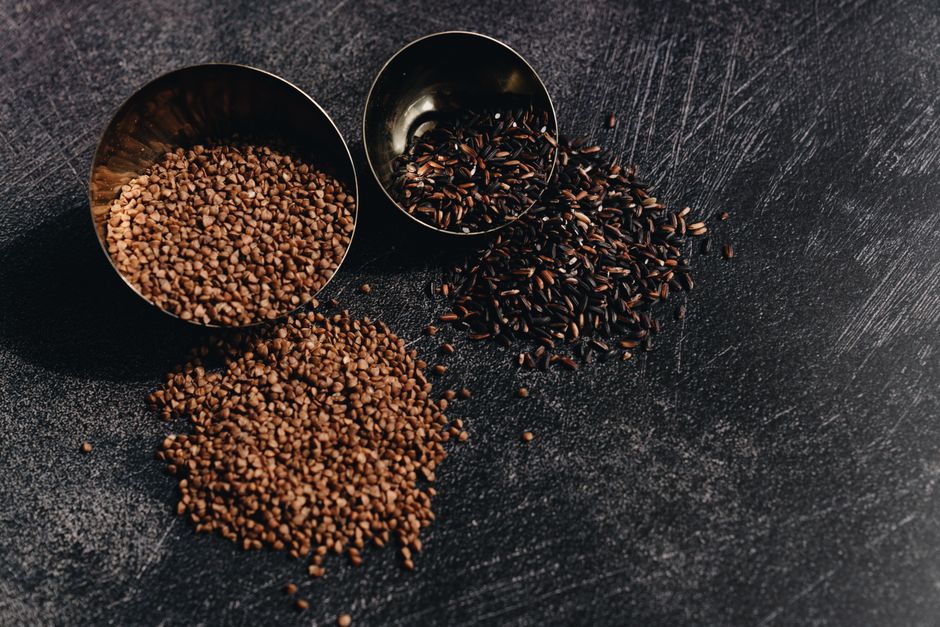
Teff is naturally gluten free. It is a tiny grain native to Ethiopia and Eritrea, and it does not contain the gluten proteins that trigger celiac disease or wheat allergy. The catch is not the grain itself — it is what happens to teff after harvest, during milling, and in your kitchen. Cross contamination is the real risk for anyone who must avoid gluten entirely.
Is Teff Gluten Free Plus Cross Contamination Risks?
Yes, teff is gluten free in its natural form, and yes, cross contamination is a genuine concern. Those two facts sit together, and both matter.
Teff belongs to the grass family and is not related to wheat, barley, or rye — the three grains that contain the gluten proteins that cause celiac disease. The grain itself is safe for people with celiac disease or non-celiac gluten sensitivity, provided it has not been mixed with or processed alongside gluten-containing grains.
The problem is practical, not biological. Teff is often grown, harvested, stored, and milled using the same equipment as wheat. Shared equipment is one of the most common ways gluten ends up in a product that started out gluten free. This is why “naturally gluten free” and “certified gluten free” are not the same claim.
What Makes Teff Naturally Gluten Free?
Gluten is a specific group of proteins found in wheat, barley, and rye. Teff does not produce those proteins. That is a botanical fact, not a processing choice.
The proteins in teff are different in structure from the gluten proteins that trigger an immune reaction in celiac disease. This is why teff has been used as a traditional food in Ethiopia and Eritrea for centuries, including by people who cannot eat wheat.
It helps to separate two ideas that often get blurred together:
- Gluten-containing grains: wheat, barley, rye, and their close relatives like spelt, farro, and kamut.
- Naturally gluten-free grains: teff, rice, corn, millet, sorghum, quinoa, buckwheat, and amaranth.
Teff falls firmly in the second group. So does quinoa, even though it is often called a “superfood” — a label that has nothing to do with gluten content.
One clarification worth knowing: oats are naturally gluten free too, but they are frequently contaminated with wheat during growing and processing. That is a cross contamination story, not a gluten story. Teff shares the same vulnerability.
How Does Cross Contamination Happen With Teff?
Cross contamination happens when gluten-free grain touches gluten-containing grain at any point in the supply chain. There are several common points where this occurs.
Shared farm equipment
Teff and wheat are sometimes grown in the same regions and harvested with the same combines, trucks, and storage bins. Residual wheat left in equipment can mix into a teff batch.
Shared milling facilities
This is the biggest risk. A mill that grinds wheat and then grinds teff without a thorough cleanout can leave wheat flour behind. The amount may be small, but for someone with celiac disease even small amounts matter.
Shared transport and storage
Bulk bags, silos, and shipping containers used for both grains can carry residue from one load to the next.
Your own kitchen
Home kitchens are a common source too. A shared flour sifter, a cutting board with wheat crumbs, or a jar of teff flour stored open next to wheat flour can all introduce gluten.
The key point is that cross contamination is about contact, not about the grain. Teff does not become “gluten-containing” — it becomes contaminated with gluten from another source.





What Does “Certified Gluten Free” Actually Mean for Teff?
In the United States, the term “gluten free” on a food label is regulated by the FDA. A product labeled gluten free must contain less than 20 parts per million of gluten. That threshold is the established standard for gluten-free labeling in the US.
Some teff products carry a third-party certification mark from organizations that audit the supply chain. These certifications typically require the product to meet the same 20 ppm standard, and some set stricter internal limits. Certification is not required by law, but it signals that someone has checked the process, not just the final product.
Here is the practical distinction:
- A package that says “made with teff” or “teff flour” tells you nothing about gluten content.
- A package that says “gluten free” must meet the FDA standard.
- A package with a third-party gluten-free certification has been audited by an outside body.
For someone with celiac disease, the certified option is the safer choice when it is available. For someone avoiding gluten by preference rather than medical need, the risk from trace contamination is lower, though the label still tells you what you are buying.
Who Needs to Worry About Teff Cross Contamination?
Not everyone needs to treat cross contamination the same way. The stakes depend on why you are avoiding gluten.
For people with celiac disease, even trace amounts of gluten can trigger an immune response and damage the small intestine over time. The evidence here is strong and consistent: strict avoidance of gluten, including cross contamination, is the standard approach.
For people with wheat allergy, the concern is different. Wheat allergy is an immune reaction to wheat proteins, and the threshold for a reaction varies by person. Some people react to very small amounts, others to larger amounts. A doctor’s guidance matters here.
For people with non-celiac gluten sensitivity, the picture is less clear. This condition is real for many people, but the amount of gluten that triggers symptoms varies widely, and research on thresholds is limited. Some people with this condition tolerate small amounts of cross contamination; others do not.
If you are avoiding gluten for general wellness reasons rather than a diagnosed condition, the evidence for strict avoidance is much weaker. The main reason to care about contamination is if a medical condition makes it necessary.
How Can You Reduce Cross Contamination Risk With Teff?
You cannot control the supply chain, but you can control what you buy and how you store and prepare it. A few practical steps make a real difference.
- Look for a gluten-free label or a third-party certification mark on teff flour and teff products.
- Buy from brands that state their milling practices or test for gluten.
- Store teff flour in a sealed container, separate from wheat flour.
- Use separate utensils, sifters, and cutting boards for gluten-free grains if you also handle wheat at home.
- Wash hands and surfaces after handling wheat flour before working with teff.
If you eat teff in a restaurant, ask whether it is prepared in a shared kitchen with wheat. Many restaurants cannot guarantee a gluten-free environment, and that is an honest limitation, not a failure.
One point worth making: “gluten free” does not mean “healthy for everyone.” Teff is a nutritious grain with fiber, iron, and calcium, but the gluten-free label is about safety for a specific group, not a general health claim.
Does Cooking or Processing Remove Gluten From Contaminated Teff?
No. Cooking does not destroy gluten. Heat can change the structure of proteins, but it does not remove them or make them safe for someone with celiac disease.
This is a common misunderstanding. Some people assume that boiling, baking, or fermenting teff will “break down” any gluten that got mixed in. It will not. The gluten proteins remain present and can still trigger a reaction in someone with celiac disease.
Fermentation is a slightly different case. Some research suggests that certain fermentation processes can partially break down gluten proteins, but the evidence is not strong enough to rely on for safety. No established clinical guidance says fermented teff is safe for someone with celiac disease if the grain was contaminated. The safer approach is to prevent contamination in the first place, not to try to remove it later.
Is Teff a Good Choice for a Gluten-Free Diet?
Teff is a solid option for people who need to avoid gluten. It is nutritious, versatile, and has a long history of use. It works well in porridge, flatbreads, and baked goods.
The grain itself is not the issue. The issue is whether the specific product you buy has been kept free of gluten from field to package. For anyone with celiac disease or a wheat allergy, that question matters more than the grain’s natural gluten-free status.
If you are choosing teff for general health reasons and do not have a diagnosed condition, the cross contamination concern is less pressing. If you do have a diagnosed condition, treat teff like any other gluten-free grain: check the label, look for certification, and store it carefully.
Frequently Asked Questions
Is teff flour gluten free?
Yes, teff flour is naturally gluten free because teff is not related to wheat, barley, or rye. However, it can become contaminated with gluten during milling or storage if shared equipment is used.
Can teff be cross contaminated with gluten?
Yes, teff can be cross contaminated at any point from farm to kitchen, most often during milling on shared equipment. Choosing certified gluten-free teff products reduces this risk.
Does cooking destroy gluten in contaminated teff?
No, cooking does not destroy or remove gluten proteins. If teff has been contaminated, heat will not make it safe for someone with celiac disease.
Is certified gluten-free teff necessary for everyone?
No, it is most important for people with celiac disease or a wheat allergy, where even trace gluten can cause harm. For others avoiding gluten by preference, the risk from trace contamination is lower.
