
Most table salt sold in the United States is iodised, but not all of it. Whether the salt in your kitchen contains iodine depends on where you bought it, what kind of salt it is, and how it was labelled. This matters because iodine is a nutrient your body cannot make and needs in small, steady amounts.
Iodised salt is ordinary salt with a tiny amount of iodine added, usually as potassium iodide or cuprous iodide. In the US, adding iodine to table salt is voluntary, not mandatory. That single fact explains why two boxes of salt on the same shelf can differ. Some manufacturers iodise, some do not, and some add iodine only to certain products in their line.
Is Table Salt Iodised?
In the United States, most table salt is iodised, but the label is the only reliable way to know. If a package says “iodised salt” or lists potassium iodide in the ingredients, iodine has been added. If it says “salt” and nothing else, or lists only sodium chloride, it likely contains little to no iodine.
This is different from many other countries. Canada, for example, requires iodine in table salt. The US does not. American iodisation is a voluntary practice that grew out of public health efforts in the 1920s to reduce goiter, an enlargement of the thyroid gland caused by iodine deficiency.
The amount added is small. According to USDA nutrient data, iodised table salt contains roughly 45 micrograms of iodine per gram of salt. A quarter teaspoon of iodised salt weighs about 1.5 grams, which works out to around 68 micrograms of iodine. For context, the recommended daily intake for most adults is 150 micrograms.
That said, the actual iodine content can vary. Iodine can be lost over time, especially if salt is stored in humid conditions or exposed to air for long periods. Salt that has sat in a cupboard for years may have less iodine than the label suggests.
Why Is Iodine Added to Salt?
Iodine is a building block for thyroid hormones, which control how fast your body uses energy and how well it grows and develops. Without enough iodine, the thyroid cannot produce these hormones properly.
In the early 20th century, iodine deficiency was common in parts of the US, particularly inland regions far from the ocean. The result was a high rate of goiter and, in severe cases, intellectual disability in children born to iodine-deficient mothers. Adding iodine to salt was a simple, cheap fix that reached large numbers of people without requiring them to change their diets.
That approach worked. Iodine deficiency in the US dropped sharply after iodised salt became widely available. The same strategy has been used around the world, and salt iodisation remains one of the most successful public health measures ever implemented on a global scale.
One detail worth knowing: iodine was never added to salt for flavour or preservation. It was added purely as a delivery vehicle for a nutrient. Salt was chosen because nearly everyone uses it in predictable amounts.
Which Types of Salt Contain Iodine?
The type of salt matters as much as the brand. Here is how common salts compare:
| Type of Salt | Usually Contains Iodine? |
|---|---|
| Iodised table salt | Yes, if labelled as iodised |
| Non-iodised table salt | No |
| Kosher salt | Rarely |
| Sea salt | Rarely, and only in trace amounts |
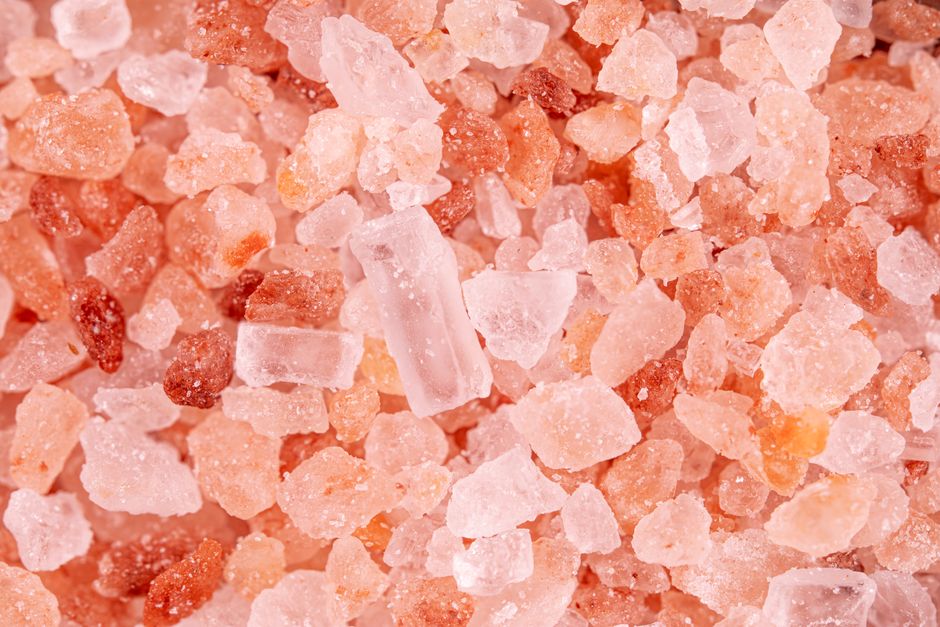
| Himalayan pink salt | No significant amount |
| Pickling salt | No |
Sea salt and Himalayan pink salt are often marketed as more natural or healthier alternatives. Neither is a reliable source of iodine. Sea salt does contain trace minerals, including iodine in some cases, but the amounts are too small and too inconsistent to count on.
Kosher salt is another common swap. Most kosher salt in the US is not iodised. People who switch from table salt to kosher salt for cooking may reduce their iodine intake without realising it.
This is not a reason to avoid these salts. It is a reason to know what you are using and where the rest of your iodine comes from.





How Much Iodine Do You Actually Need?
The recommended daily intake for most adults is 150 micrograms. During pregnancy and breastfeeding, the need rises to 220 and 290 micrograms respectively, according to the National Institutes of Health. These are well-established reference values.
Getting enough is usually not hard in the US, but it is not automatic either. Iodine shows up in several foods:
- Iodised salt
- Dairy products, because iodine is used in some dairy farming practices and in sanitising equipment
- Seafood and seaweed
- Eggs
- Some breads made with iodate dough conditioners
Seaweed is worth a caution. Some types, particularly kelp, contain very high amounts of iodine. A single serving can deliver far more than the daily requirement. The tolerable upper intake level for adults is 1,100 micrograms per day, and regularly exceeding that can cause thyroid problems just as deficiency can.
Most people who eat a varied diet and use iodised salt at home get enough iodine without thinking about it. People who avoid salt entirely, follow a strict low-sodium diet, or eat very little dairy and seafood may want to pay closer attention.
Does Iodine in Salt Survive Cooking and Storage?
Iodine in salt is fairly stable, but it is not indestructible. Heat from normal cooking does not destroy it in any meaningful way. Long-term storage is a bigger factor.
Potassium iodide can slowly oxidise and be lost when salt is exposed to moisture, light, and air. Salt kept in an open container in a humid kitchen may lose some iodine over months or years. Salt stored in a sealed container in a dry place holds onto it much better.
There is no reliable way to measure iodine loss at home. The practical takeaway is simple: buy iodised salt, keep it sealed, and replace it if it has been sitting open for a long time. This is general guidance, not a precise rule.
One common claim is that adding iodised salt to food early in cooking destroys the iodine. There is no strong evidence that typical cooking times cause significant loss. The bigger risk to iodine content is storage, not the stove.
Who Should Pay Attention to Iodine Intake?
Most healthy adults in the US do not need to track iodine closely. Certain groups have more reason to be aware.
Pregnant and breastfeeding women have higher iodine needs, and iodine is important for the baby’s brain and thyroid development. The American Thyroid Association and other clinical bodies have raised concerns that some pregnant women in the US may not get enough iodine. Prenatal vitamins often contain iodine, but not all do, and the amounts vary. Reading the label is worth the effort.
People with thyroid conditions, including Hashimoto’s thyroiditis, Graves’ disease, and thyroid cancer, may be advised by their doctor to watch iodine intake more carefully. Both too little and too much iodine can affect thyroid function in these situations. This is a case where individual medical advice matters more than general guidance.
People on low-sodium diets for heart or kidney reasons may reduce iodine intake if iodised salt was their main source. That does not mean they should add salt back. It means they may need to get iodine from other foods or discuss it with a clinician.
There is no clinical guideline that tells healthy adults to take iodine supplements. For most people, food and iodised salt are enough. Supplements are not a routine recommendation and can push intake too high.
Does Everyone Need Iodised Salt?
No. Iodised salt is a public health tool, not a requirement for every individual. If you get enough iodine from seafood, dairy, eggs, and other foods, non-iodised salt is fine.
The catch is that many people do not know how much iodine they get from food. Iodine is not always listed on nutrition labels, and the content of foods like dairy can vary based on farming practices. For someone who cooks at home and wants a simple safeguard, iodised table salt is an easy way to cover the gap.
The choice between iodised and non-iodised salt is not about one being healthier. It is about whether your overall diet supplies enough iodine. For most Americans, using iodised salt at the table is a small, low-cost habit that helps ensure the thyroid gets what it needs.
Frequently Asked Questions
Is all table salt iodised in the US?
No. Iodisation is voluntary in the United States, so some table salt contains iodine and some does not. Check the label for the word “iodised” or for potassium iodide in the ingredients.
Is sea salt iodised?
Generally no. Sea salt may contain trace amounts of iodine, but the levels are too low and too inconsistent to rely on as a source.
How much iodine is in a teaspoon of iodised salt?
Based on USDA data, iodised salt contains about 45 micrograms of iodine per gram, so a quarter teaspoon provides roughly 68 micrograms. That is a meaningful share of the 150 microgram daily recommendation for adults.
Can I get too much iodine from iodised salt?
It is unlikely from salt alone at normal intake levels, since the amount added is small. The bigger risk of excess iodine comes from supplements and high-iodine foods like kelp.
