
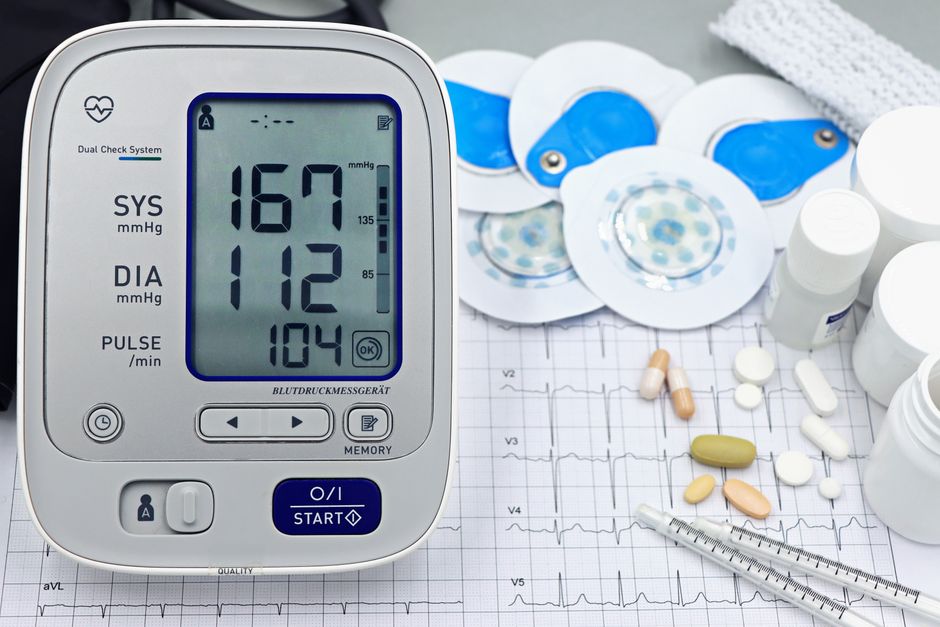
Both numbers in a blood pressure reading matter, but for adults over 50, the top number predicts cardiovascular risk better than the bottom one. Systolic pressure (the top number) is the force against your artery walls when your heart beats. Diastolic pressure (the bottom number) is the pressure when your heart rests between beats. For younger adults, the diastolic number can carry more weight. For most people past middle age, systolic pressure is the stronger warning sign.
What Do the Two Blood Pressure Numbers Actually Mean?
Blood pressure is written as two numbers, like 120/80 millimeters of mercury (mmHg). The first number is systolic. The second is diastolic.
Systolic pressure reflects the peak force in your arteries each time your heart contracts and pushes blood out. Diastolic pressure reflects the resting pressure in those same arteries between beats, while the heart refills.
Both numbers describe the same system from different angles. Neither is a separate disease. Together they tell your doctor how hard your heart is working and how much strain your artery walls are under.
One detail people often miss: your pulse pressure is the gap between the two numbers. If your reading is 140/80, your pulse pressure is 60. A widening gap can signal stiffening arteries, which is common with age. Doctors look at this gap, not just the two numbers alone.
Is Systolic Or Diastolic More Important for Predicting Heart Risk?
For adults over 50, systolic pressure is the more important predictor of heart attack, stroke, and heart failure. This is one of the most consistent findings in cardiovascular research.
The reason is physiological. After about age 50, arteries stiffen. Stiff arteries push systolic pressure up and can pull diastolic pressure down. So a rising top number and a falling bottom number can both reflect the same underlying problem: less flexible blood vessels.
Large population studies, including the Framingham Heart Study and other long-running cohorts, have repeatedly found that systolic pressure predicts cardiovascular events more strongly than diastolic pressure in older adults. This is why clinical guidelines for treating high blood pressure in older adults focus heavily on the systolic number.
For younger adults, the picture shifts. Under about age 50, diastolic pressure often carries more predictive weight. A high diastolic reading in a 35-year-old deserves attention even if the systolic number looks fine.
Why Does Age Change Which Number Matters More?
Arteries change with age. Young, elastic arteries absorb the surge of each heartbeat and spring back. That keeps systolic pressure lower and diastolic pressure steady.
Stiffer arteries do not absorb that surge as well. The result is a higher systolic peak. At the same time, the arteries may not hold as much pressure between beats, so diastolic pressure can drop or stay flat.
This is why isolated systolic hypertension — a high top number with a normal bottom number — is the most common form of high blood pressure in older adults. It is a real condition, not a harmless quirk of aging, and it is linked to higher stroke and heart disease risk.
Here is where the numbers get interesting. In older adults, a diastolic pressure that is too low can also be a concern. Some research suggests that very low diastolic pressure in people with stiff arteries may reduce blood flow to the heart. This is an area where the evidence is still developing, and it is one reason doctors treat older patients carefully rather than pushing every number as low as possible.
What Do the Blood Pressure Categories Mean?
Blood pressure categories come from established clinical guidelines. The table below reflects the standard ranges used in US clinical practice for adults.
| Category | Systolic (mmHg) | Diastolic (mmHg) |
|---|---|---|
| Normal | Less than 120 | Less than 80 |
| Elevated | 120–129 | Less than 80 |
| Stage 1 high blood pressure | 130–139 | 80–89 |
| Stage 2 high blood pressure | 140 or higher | 90 or higher |
| Hypertensive crisis (seek care) | Higher than 180 | Higher than 120 |
When the two numbers fall into different categories, the higher category applies. A reading of 118/86, for example, counts as stage 1 high blood pressure because the diastolic number is in that range.
A single high reading does not diagnose anything. Blood pressure varies through the day and rises with stress, caffeine, a full bladder, or even talking during the measurement. Diagnosis usually requires repeated readings over time.
Can You Have High Systolic Pressure With a Normal Diastolic?
Yes. This is called isolated systolic hypertension, and it is common after age 60. A typical reading might be 150/78.
Because the bottom number looks normal, some people assume nothing is wrong. That assumption is a mistake. Isolated systolic hypertension is a recognized condition with real cardiovascular risk, particularly for stroke. It is not simply a normal part of getting older.
The opposite pattern — normal systolic with high diastolic — is more typical in younger adults. It can reflect increased resistance in smaller arteries and is also worth taking seriously.
Does Treating the Top Number Help Even When the Bottom Number Is Fine?
Yes. Treating elevated systolic pressure lowers cardiovascular risk even when diastolic pressure is normal. This has been shown in major clinical trials of blood pressure treatment in older adults.
That said, the way blood pressure is treated is a decision for you and your doctor. It depends on your overall risk, other health conditions, age, and how you respond to treatment. Some clinicians treat more cautiously in older adults with very low diastolic pressure, because pushing the bottom number too low may not always be beneficial. The evidence on the ideal diastolic target in this group is not fully settled.
Lifestyle factors that support healthy blood pressure are well established. These include reducing excess sodium, staying physically active, limiting alcohol, not smoking, and maintaining a healthy weight. These are general health measures, not a substitute for medical care if your readings are high.
What Should You Track at Home?
Track both numbers, not just one. Write down the date, time, and both readings each time you measure.
A few practical points help accuracy:
- Sit quietly for a few minutes before measuring.
- Keep your feet flat and your back supported.
- Rest your arm at heart level on a table.
- Measure at roughly the same times each day.
- Take two readings a minute apart and record both.
Bring your log to appointments. A pattern over weeks tells your doctor far more than one reading in an exam room.
If either number is consistently high, talk to a healthcare professional. Do not try to diagnose or manage high blood pressure on your own.
Frequently Asked Questions
Which is more important, systolic or diastolic blood pressure?
For adults over 50, systolic pressure is generally the stronger predictor of heart and stroke risk. For younger adults, diastolic pressure often carries more predictive weight.
What if my systolic is high but my diastolic is normal?
That pattern is called isolated systolic hypertension, and it is a recognized condition linked to higher stroke risk, especially in older adults. It should be evaluated by a doctor.
Can diastolic be too low?
Yes, very low diastolic pressure can be a concern in some older adults with stiff arteries. The evidence on ideal targets in this group is still developing, so this is a conversation to have with a clinician.
Does one high blood pressure reading mean I have high blood pressure?
No. Diagnosis usually requires repeated high readings over time, because pressure varies with stress, activity, and measurement conditions.
