
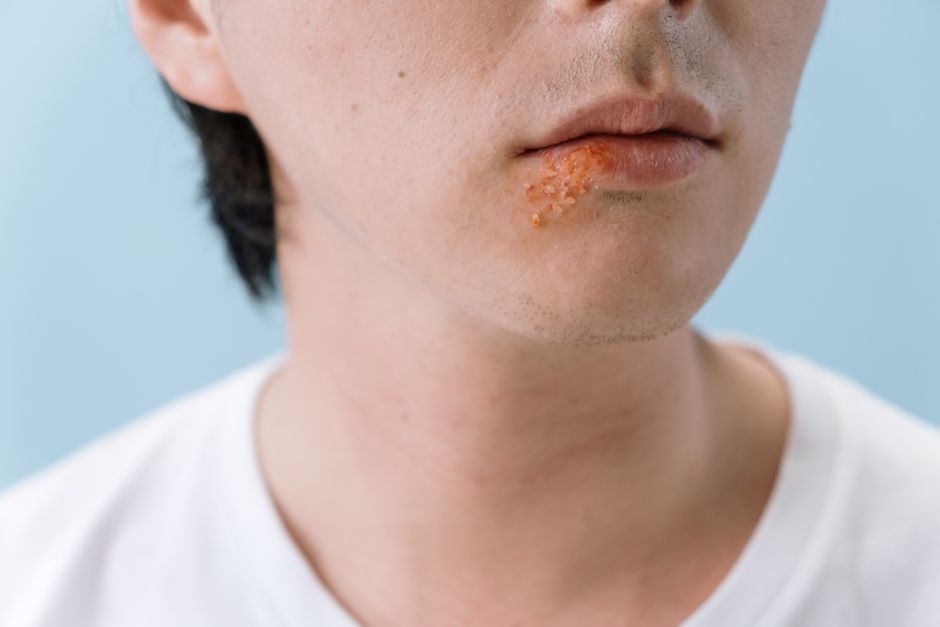
Syphilis is a bacterial infection, not a viral one. It is caused by a spiral-shaped bacterium called Treponema pallidum. Because it is bacterial, it can be treated and cured with antibiotics, most commonly penicillin. This is a critical difference from viral infections, which often cannot be cured but only managed. The disease develops in distinct stages, and treatment depends on how long you have been infected.
Is Syphilis Viral Or Bacterial Stages And Treatment
Syphilis is caused by a bacterium, not a virus. The organism responsible is Treponema pallidum, a type of bacteria known as a spirochete because of its spiral shape. This matters for treatment. Antibiotics kill bacteria. They do not kill viruses. Because syphilis is bacterial, it is curable with the right antibiotic treatment.
Viruses are entirely different. They invade your cells and use them to reproduce. HIV, herpes, and HPV are all viral infections. They cannot be cured with antibiotics. Syphilis is not in that category. It responds to penicillin and other antibiotics when treated properly.
The confusion is understandable. Syphilis has been around for centuries and can cause a wide range of symptoms that mimic other diseases. But the cause is firmly established as bacterial. Medical science has known this since the early 20th century.
What Are the Stages of Syphilis?
Syphilis progresses through defined stages if left untreated. Each stage has distinct features. Knowing the stages helps doctors determine the right treatment and the expected outcome.
There are four main stages: primary, secondary, latent, and tertiary. The infection moves through these stages over years. Not everyone experiences every stage, and the timeline varies from person to person.
Primary Syphilis
This is the first stage. It usually appears about three weeks after exposure, though the range can be from 10 to 90 days. The hallmark sign is a single sore called a chancre. The sore is usually firm, round, and painless. It appears at the site where the bacteria entered the body — typically the genitals, anus, rectum, or mouth.
Because the sore is painless and can be hidden inside the body, many people do not notice it. The chancre heals on its own in three to six weeks, even without treatment. This does not mean the infection is gone. The bacteria remain in the body and move to the next stage.
Secondary Syphilis
This stage begins weeks or a few months after the primary sore heals. It is marked by a skin rash. The classic rash appears on the palms of the hands and the soles of the feet. It can also appear on other parts of the body. The rash often consists of rough, red, or reddish-brown spots.
Other symptoms can include fever, swollen lymph nodes, sore throat, patchy hair loss, headaches, weight loss, muscle aches, and fatigue. These symptoms can be mild and may be mistaken for other illnesses. Like the primary sore, these symptoms eventually resolve without treatment.
Latent Syphilis
In this stage, the infection is still present but causes no symptoms. This period can last for years. The person feels fine and shows no visible signs of disease. The only way to know the infection is present is through a blood test.
Latent syphilis is divided into early latent (within the first year of infection) and late latent (more than one year after infection). This distinction matters because treatment recommendations differ based on the duration of infection.
Tertiary Syphilis
This is the most severe stage, though it is rare today due to effective treatment. It can occur years or even decades after the initial infection. Tertiary syphilis can damage multiple organ systems, including the heart, blood vessels, brain, and nervous system.
Complications can include aneurysms, dementia, paralysis, and blindness. The damage at this stage is often irreversible. This is why early detection and treatment are so important. The bacteria can be killed at any stage, but damage already done to the body cannot always be repaired.
How Is Syphilis Treated?
Treatment depends on the stage of the infection. The antibiotic of choice is penicillin. It has been the standard treatment for decades and remains highly effective.
For primary, secondary, or early latent syphilis, a single injection of long-acting penicillin G is usually sufficient. This one shot cures the infection in most cases. The injection is given into the muscle, typically in the buttock.
For late latent syphilis or when the duration of infection is unknown, the treatment is longer. It requires three injections of penicillin given one week apart. This extended course ensures the bacteria are fully eliminated.
For tertiary syphilis affecting the nervous system, called neurosyphilis, treatment is more intensive. It involves intravenous penicillin given every four hours for 10 to 14 days. This requires a hospital stay or outpatient infusion center visits.
People allergic to penicillin need alternative antibiotics. Doxycycline is a common alternative for primary, secondary, or latent syphilis. It is taken orally for two to four weeks depending on the stage. For pregnant women with syphilis who are allergic to penicillin, desensitization to penicillin is recommended because doxycycline is not safe during pregnancy.




Can Syphilis Be Cured Completely?
Yes. Syphilis is completely curable with appropriate antibiotic treatment. The key is receiving the right treatment at the right time. Cure rates are extremely high when the infection is treated in the early stages.
Even in later stages, antibiotics can cure the infection by killing the bacteria. However, any organ damage that has already occurred may be permanent. For example, damage to the heart or brain from tertiary syphilis cannot be reversed. The infection is gone, but the scars remain.
After treatment, follow-up blood tests are necessary. These tests confirm that the infection has been cured. The timing of follow-up depends on the stage of infection. Early syphilis typically requires follow-up testing at 6 and 12 months after treatment. Later stages require monitoring for longer periods.
What Happens If Syphilis Is Not Treated?
Untreated syphilis can cause severe and permanent health problems. The infection can damage the heart, brain, nerves, eyes, and other organs. This damage can be disabling and even life-threatening.
Untreated syphilis also increases the risk of acquiring or transmitting HIV. The sores caused by syphilis provide an entry point for HIV. Having syphilis makes a person more susceptible to HIV infection if exposed.
During pregnancy, untreated syphilis can be passed to the baby. This is called congenital syphilis. It can cause miscarriage, stillbirth, premature birth, or severe health problems in the newborn. Babies born with syphilis may have deformed bones, severe anemia, enlarged liver and spleen, jaundice, and nerve problems. Congenital syphilis is preventable with routine prenatal screening and treatment.
How Is Syphilis Diagnosed?
Syphilis is diagnosed through blood tests. There is no single perfect test, so doctors typically use a combination. The most common approach starts with a screening test called a nontreponemal test. The RPR (rapid plasma reagin) and VDRL (Venereal Disease Research Laboratory) are examples. These tests detect antibodies that the body produces in response to cell damage caused by the bacteria.
If a screening test is positive, a confirmatory test follows. This is called a treponemal test. It detects antibodies that specifically target Treponema pallidum. The FTA-ABS and TPPA are examples of treponemal tests. These tests remain positive for life, even after successful treatment.
In some cases, a healthcare provider may examine fluid from a sore under a microscope. This is called dark-field microscopy. It can identify the spiral-shaped bacteria directly. This method is most useful during the primary stage when a chancre is present.
How Can Syphilis Be Prevented?
Syphilis is a sexually transmitted infection. The most reliable way to prevent it is to avoid sexual contact with infected partners. Consistent and correct use of condoms significantly reduces the risk of transmission. Condoms are effective because the chancre is often on the genitals or anus, which the condom covers.
However, condoms do not provide complete protection. If a chancre is on the scrotum, labia, or mouth, a condom may not cover it. Transmission can still occur through contact with these sores.
Regular testing is important for sexually active people, especially those with new or multiple partners. Syphilis can be present without symptoms, particularly in the latent stage. Testing is the only way to know for certain.
If you test positive, your sexual partners need to be notified and tested. This is called partner notification or contact tracing. It helps break the chain of transmission and prevents reinfection. You can be treated, but if your partner remains infected, you can get syphilis again.
Does Having Syphilis Once Protect You From Getting It Again?
No. Having syphilis once does not provide immunity. You can be reinfected after successful treatment. The antibodies from a past infection do not protect you from a new one.
This is why follow-up testing matters. If a blood test shows a rising titer after treatment, it could mean the treatment failed or you have been reinfected. Your healthcare provider will determine which is the case and recommend the appropriate next steps.
Frequently Asked Questions
Can syphilis be cured with antibiotics?
Yes, syphilis is curable with antibiotics, most commonly penicillin. The treatment course depends on the stage of infection, with early stages often requiring a single injection.
How long does it take for syphilis symptoms to appear?
The first symptom, a painless sore called a chancre, typically appears about three weeks after exposure. The range can be anywhere from 10 to 90 days.
Is syphilis contagious during the latent stage?
In the early latent stage, within the first year, the infection can still be transmitted. After more than one year in the latent stage, transmission through sexual contact is unlikely, but the infection can still be passed from a pregnant woman to her baby.
Can a blood test for syphilis ever turn negative after treatment?
Nontreponemal tests like the RPR often become negative after successful treatment. Treponemal tests, which are used for confirmation, usually remain positive for life even after the infection is cured.
