
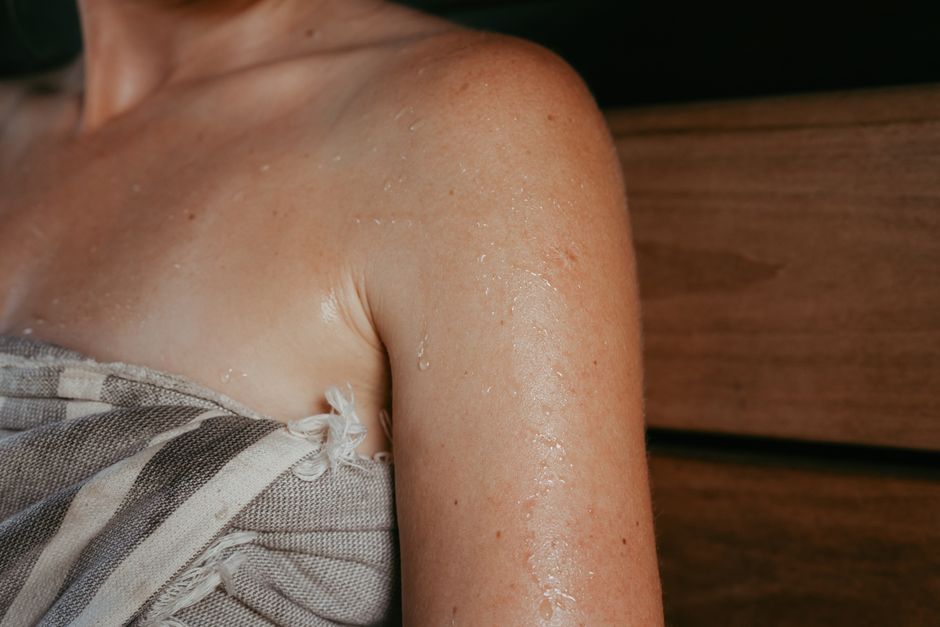
Sweat gets a bad reputation. It stains shirts, ruins makeup, and shows up at the worst possible moments. But when you look at what sweat actually does for your skin, the picture is more interesting than the smell suggests. Sweat is mostly water, with small amounts of salt, urea, lactate, and other compounds. It helps regulate body temperature, and it plays a minor role in the skin’s natural defense system. Sweat itself is not good or bad for your skin. What matters is how long it stays there and what else is on your skin when it does.
What Does Sweat Actually Do to Your Skin?
Sweat is produced by two types of glands. Eccrine glands are all over your body and make the thin, watery sweat that cools you down. Apocrine glands sit mainly in the armpits and groin and produce a thicker fluid that bacteria break down, which is what causes body odor.
Eccrine sweat is about 99 percent water. The remaining 1 percent contains electrolytes, urea, lactic acid, and small amounts of antimicrobial peptides. Those peptides are part of the skin’s innate immune defense. They can slow the growth of some bacteria on the skin surface. This effect is real but modest. It does not make sweat a skin treatment.
Sweat also contains natural moisturizing factor components, including urea and lactate. In small amounts on the skin surface, these can help hold water in the outer layer. This is one reason skin can feel soft after light exercise.
The problem starts when sweat sits on the skin for hours. Wet skin is more permeable. Friction goes up. Bacteria that normally live on the skin get a warm, moist environment to multiply in. That combination is what causes most sweat-related skin issues, not sweat itself.
Is Sweating Good For Your Skin or Bad For It?
Both, depending on the situation. Short-term sweating from exercise or heat is generally neutral to mildly helpful for skin. It cools the body, delivers a small amount of antimicrobial peptides to the surface, and can temporarily hydrate the outer layer.
Long-term or trapped sweat is a different story. When sweat cannot evaporate, it can clog pores, irritate hair follicles, and feed the bacteria involved in acne and body odor. People who sit in sweaty clothes for hours, wear tight gear, or live in hot humid climates see more of these problems.
The key variable is time. Sweat that dries or gets rinsed off within a reasonable window is usually not a problem. Sweat that stays on the skin for hours is.
One non-obvious point: the skin’s acid mantle, a slightly acidic film on the surface, gets disrupted by prolonged moisture and by harsh soaps used to scrub sweat away. So the fix for sweat irritation is not aggressive washing. It is rinsing, drying, and letting the skin’s natural chemistry reset.
Does Sweating Cause Acne or Make It Worse?
Sweat does not directly cause acne. Acne forms when dead skin cells, oil, and the bacterium Cutibacterium acnes block a hair follicle. Sweat is not oil, and it does not block pores on its own.
What sweat can do is make existing acne worse. Here is how:
- Mixing with oil and dead skin cells to form a plug in the follicle
- Trapping bacteria against the skin under hats, helmets, or tight clothing
- Increasing friction, which irritates follicles and can trigger a type of acne called acne mechanica
- Altering the skin’s pH, which can affect how other bacteria behave on the surface
Acne mechanica is common in athletes, soldiers, and anyone who wears tight gear while sweating. It shows up as small bumps in areas where equipment rubs the skin. The fix is usually to shower soon after sweating, change out of wet clothes, and avoid heavy occlusive products during workouts.
If you already use acne treatments, sweat can make some of them sting or dry the skin further. That is a product issue, not a sweat issue.
What Skin Problems Are Linked to Sweat?
Several skin conditions are directly tied to sweat. They are not caused by sweat being inherently harmful. They come from sweat being trapped, prolonged, or combined with friction and heat.
Miliaria (heat rash) happens when sweat ducts get blocked and sweat leaks into the skin. It shows up as small red or clear bumps, usually in skin folds or under clothing. It is common in hot weather and in people who sweat heavily.
Intertrigo is inflammation in skin folds where skin rubs against skin. Sweat, heat, and friction combine to break down the skin barrier. It can become infected with yeast or bacteria.
Fungal infections like athlete’s foot and jock itch thrive in warm, moist skin. Sweat does not cause them, but it creates the environment they need.
Folliculitis is inflammation of hair follicles, often triggered by friction and bacteria in sweaty conditions. It looks like small red bumps or pimples around hair follicles.
Cholinergic urticaria is a type of hives triggered by an increase in body temperature, including from sweating. It is less common but can be uncomfortable and sometimes serious. Anyone with hives that spread or come with breathing trouble should seek medical care.
How Should You Care for Skin After Sweating?
The goal is simple: get sweat off the skin before it sits there for hours. You do not need a complicated routine.
- Rinse with lukewarm water within a reasonable time after heavy sweating. A full shower is ideal, but rinsing the face, back, and skin folds helps.
- Use a gentle, non-stripping cleanser. Harsh soaps can damage the skin barrier and make irritation worse.
- Pat dry rather than scrub. Friction on wet skin causes more irritation than sweat alone.
- Change out of wet clothes and gear. Do not sit in a damp sports bra, socks, or uniform.
- Let skin folds dry fully before dressing. A hair dryer on a cool setting can help in hard-to-dry areas.
- Apply a light moisturizer if skin feels tight or dry. Heavy occlusive products right after sweating can trap moisture and clog pores.
For people prone to heat rash or folliculitis, loose breathable clothing and moisture-wicking fabrics make a real difference. These are practical steps, not medical treatments. If a rash is spreading, painful, oozing, or not improving, that is a reason to see a clinician.
Does Sweating Detox Your Skin or Body?
No. This is one of the most persistent myths in skincare. The liver and kidneys handle the vast majority of detoxification. Sweat glands remove water, salt, and small amounts of urea and lactate. They are not a meaningful route for eliminating toxins.
Trace amounts of some heavy metals can appear in sweat, but the quantities are tiny and not clinically significant. Saunas, hot yoga, and steam rooms can feel cleansing, and they may help with relaxation and circulation. They do not detox your body in any medical sense.
Any product or service claiming to “detox” skin through sweat is making a claim that no clinical evidence supports. If a treatment feels good and helps you relax, that is a fair reason to do it. It is not a reason to believe it is removing toxins.
Does Sweating Help or Hurt Specific Skin Conditions?
It depends on the condition. Sweat can worsen some and have little effect on others.
- Eczema: Sweat can sting and trigger itching in people with eczema. Rinsing and moisturizing after sweating often helps.
- Psoriasis: Sweat and friction can irritate plaques, especially in skin folds. Keeping skin cool and dry tends to help.
- Rosacea: Heat and exertion are common triggers for flushing and flare-ups. Sweat itself is less of an issue than the rise in body temperature.
- Acne: Sweat can worsen it indirectly through friction and trapped bacteria, but it is not a direct cause.
- Hyperhidrosis: People who sweat excessively have higher rates of skin irritation and infection. This is a medical condition, and treatments exist. It is worth talking to a clinician if sweating interferes with daily life.
For most of these conditions, the practical advice is the same: do not let sweat sit, keep skin clean and dry, and avoid harsh products that damage the barrier.
Is Sweat Itself Clean?
Fresh sweat is essentially sterile when it leaves the gland. It picks up bacteria from the skin surface within minutes. Those bacteria are the normal residents of your skin, not invaders. They break down sweat compounds and produce the molecules that cause body odor.
This is why deodorant works differently from antiperspirant. Deodorant targets odor-causing bacteria. Antiperspirant reduces how much sweat reaches the surface, usually with aluminum-based compounds. Both are considered safe for general use by regulatory agencies, though some people prefer to avoid aluminum salts for personal reasons. The evidence does not show that antiperspirants cause breast cancer or other serious harm.
Washing with plain water or a gentle cleanser removes sweat and the bacteria that feed on it. That is usually enough.
Frequently Asked Questions
Is sweating good for your skin?
Sweating is generally neutral to mildly helpful for skin in the short term, since it cools the body and delivers small amounts of antimicrobial compounds to the surface.
It becomes harmful when sweat stays on the skin for hours, which can clog pores and irritate follicles.
Does sweating cause acne?
Sweat does not directly cause acne, but it can worsen it by mixing with oil and dead skin cells, trapping bacteria, and increasing friction under tight clothing or gear.
Does sweating detox your skin?
No. Sweat glands remove water, salt, and small amounts of urea and lactate, not toxins.
The liver and kidneys handle detoxification, and no clinical evidence supports the idea that sweating cleanses the body of harmful substances.
Should you shower immediately after sweating?
Rinsing within a reasonable time after heavy sweating helps prevent irritation, clogged pores, and bacterial overgrowth.
A full shower is ideal, but rinsing the face, back, and skin folds and changing out of wet clothes covers most of the benefit.
