
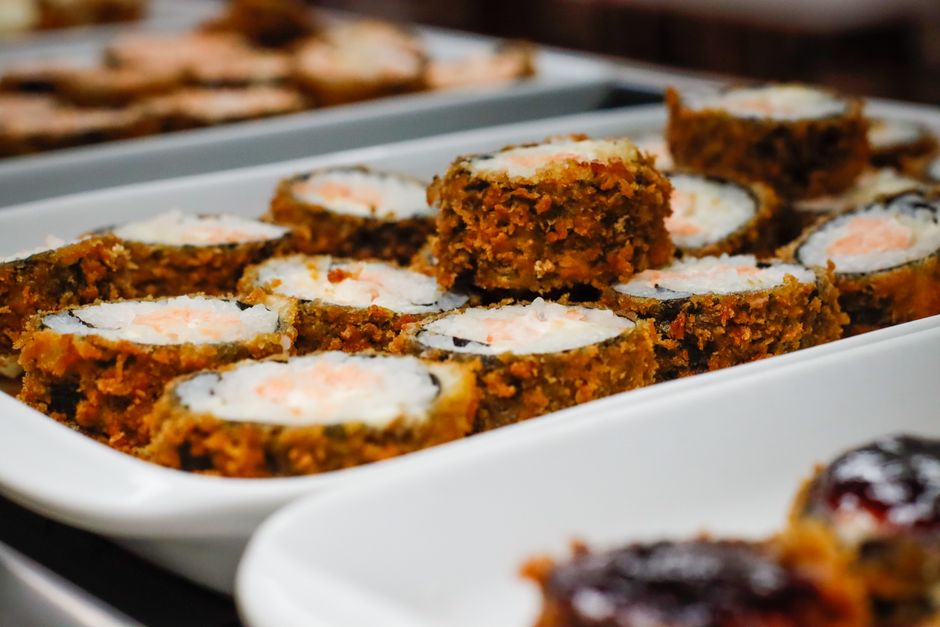
Sushi is not automatically high in carbs, but most American-style rolls are. The rice is the reason. A standard sushi roll can contain roughly 30 to 50 grams of carbohydrate, and much of that comes from white rice seasoned with sugar. Sashimi, which is just sliced fish, has almost no carbs. So the answer depends almost entirely on what surrounds the fish.
Is Sushi High In Carbs Rolls Rice And Low Carb Tips
Rice is the main carbohydrate source in sushi, and it is not a small amount. Sushi rice is short-grain white rice seasoned with vinegar, sugar, and salt. That sugar is added, not naturally occurring, which pushes the carb count higher than plain rice.
A single piece of nigiri — a slice of fish over a small mound of rice — typically contains about 6 to 9 grams of carbohydrate. That does not sound like much until you eat six pieces, which is a common order. Six pieces of nigiri land somewhere around 40 to 50 grams of carbs.
Maki rolls are where the numbers climb fast. A basic cucumber roll or tuna roll uses about one cup of cooked rice across six to eight pieces. One cup of cooked white rice contains roughly 45 grams of carbohydrate on its own. Larger specialty rolls with double rice, tempura fillings, and sweet sauces can push well past that.
For context, a person following a standard 2,000-calorie diet is generally advised to get about 225 to 325 grams of carbohydrate per day. A single sushi roll can account for a meaningful chunk of that. For someone on a low-carb plan targeting under 50 grams daily, one roll could use up most of the day’s budget.
The type of rice matters less than people hope. Brown rice sushi has slightly more fiber and a somewhat lower glycemic impact, but the total carbohydrate is close to white rice. It is not a low-carb swap. It is a modest improvement.
How Many Carbs Are In Different Types Of Sushi?
The range across sushi types is wide. Sashimi sits at the bottom. Specialty rolls sit at the top. Knowing roughly where common items fall helps you order without guessing.
| Sushi Type | Typical Carbs | Main Carb Source |
|---|---|---|
| Sashimi (6 pieces) | 0–2 g | None to negligible |
| Nigiri (1 piece) | 6–9 g | Rice |
| Nigiri (6 pieces) | 36–54 g | Rice |
| Basic maki roll (6–8 pieces) | 30–40 g | Rice |
| Specialty roll with sauces | 50–80 g or more | Rice, sugar, tempura, sauces |
These are approximate ranges based on standard preparation. Actual numbers vary by restaurant, rice portion, and added ingredients. A roll made at one place may differ substantially from the same name at another.
Two things drive the upper end of that range. First, portion size. Some rolls use more than a cup of rice. Second, hidden sugar. Teriyaki sauce, eel sauce, and spicy mayo all contain added sugar. Tempura batter adds flour and oil. Cream cheese adds fat and a small amount of carbs. None of these are large on their own, but together they add up.
Why Does Sushi Rice Have So Many Carbs?
Sushi rice is short-grain white rice, and white rice is almost pure starch. During milling, the bran and germ are removed, which strips away most of the fiber, vitamins, and minerals. What remains is largely carbohydrate.
Cooked white rice is roughly 45 grams of carbohydrate per cup. Sushi rice is denser because it is prepared to be sticky, and it is often packed more tightly than rice you would scoop at home. That means a visually small amount of rice can weigh more and carry more carbs than it appears to.
The vinegar seasoning itself adds almost no carbohydrate. The sugar added to the seasoning does. Traditional sushi rice recipes call for sugar dissolved into the vinegar mixture. The amount varies, but it is a real contribution, especially across a full meal.
One thing worth clarifying: sushi rice is not the same as plain steamed rice. The seasoning process changes the flavor and texture, and it adds sugar. If you are counting carbs, that distinction matters.





What Are The Best Low Carb Sushi Options?
Sashimi is the clearest choice. It is sliced raw fish with no rice. Ordering a sashimi platter gives you the protein and fat of the fish with almost no carbohydrate. This is the single most effective swap.
Beyond sashimi, several approaches reduce carbs without giving up the meal entirely:
- Order nigiri instead of rolls. You control the rice portion piece by piece, and you can eat the fish and leave some rice behind.
- Choose rolls with less rice. Some restaurants offer rolls wrapped in cucumber or soy paper instead of rice. These are not universal, but they exist.
- Skip the sweet sauces. Teriyaki, eel sauce, and spicy mayo add sugar. Ask for them on the side or leave them off.
- Avoid tempura fillings. Tempura adds batter, which means flour and carbs.
- Pair with low-carb sides. Edamame has carbs but also fiber and protein. Seaweed salad is low in carbs. Miso soup is generally low in carbs.
One practical note: even if you order sashimi, watch the soy sauce if you are managing sodium. Soy sauce is high in salt. That is a separate issue from carbs, but it matters for some people.
Can You Eat Sushi On A Low Carb Or Keto Diet?
Yes, but not the way most people eat sushi. A standard roll will typically break a strict keto carb limit. Keto diets generally aim for under 20 to 50 grams of carbohydrate per day. One specialty roll can exceed that on its own.
Sashimi fits comfortably within a low-carb or keto framework. A plate of assorted sashimi has minimal carbohydrate. Add a side of edamame in moderation and you have a meal that stays within most low-carb targets.
If you want sushi rice on a low-carb diet, the honest answer is that it is difficult to fit. Some people budget for a small amount of nigiri and adjust the rest of their day. That is a personal calculation, not a recommendation. The rice is the carbohydrate, and there is no way around that.
What about cauliflower rice sushi? It exists, mostly as a homemade alternative. It does not behave like sushi rice and is not commonly available at restaurants. As a home experiment it can work, but it is a different food, not a substitute you will find on most menus.
What Else Should You Know About Sushi And Carbs?
Carbohydrate count is not the only thing that matters. Sushi can be high in sodium, and raw fish carries food safety considerations. These are separate from the carb question but relevant if you eat sushi regularly.
Raw fish can contain parasites and bacteria. Freezing fish according to food safety guidelines reduces parasite risk, and reputable restaurants follow these practices. People who are pregnant, immunocompromised, or at higher risk for foodborne illness are generally advised to avoid raw fish. That guidance comes from public health authorities, not from carb counting.
Portion awareness is the other piece. Sushi is often eaten in larger quantities than people realize. Six to eight pieces of nigiri plus a roll plus a side can easily exceed 100 grams of carbohydrate in one meal. If you are tracking carbs, that is worth knowing before you order.
The bottom line is simple. Sushi is not inherently high in carbs, but the rice makes most rolls carb-heavy. Sashimi is low. Nigiri is moderate. Specialty rolls are high. The choices you make at the table determine the number.
Frequently Asked Questions
Is sushi high in carbs?
Most sushi rolls are high in carbs because of the rice, with a standard roll containing roughly 30 to 50 grams. Sashimi has almost no carbs, so the answer depends on what you order.
How many carbs are in a sushi roll?
A basic maki roll typically has about 30 to 40 grams of carbohydrate, while specialty rolls with sauces and tempura can exceed 50 to 80 grams. Exact amounts vary by restaurant and portion size.
Can I eat sushi on a keto diet?
Sashimi fits within keto because it has minimal carbohydrate. Standard rolls with rice generally do not fit, since a single roll can exceed a full day’s carb limit on a strict keto plan.
Is brown rice sushi lower in carbs?
Brown rice sushi has slightly more fiber but roughly similar total carbohydrate to white rice sushi. It is a modest improvement, not a low-carb option.
