
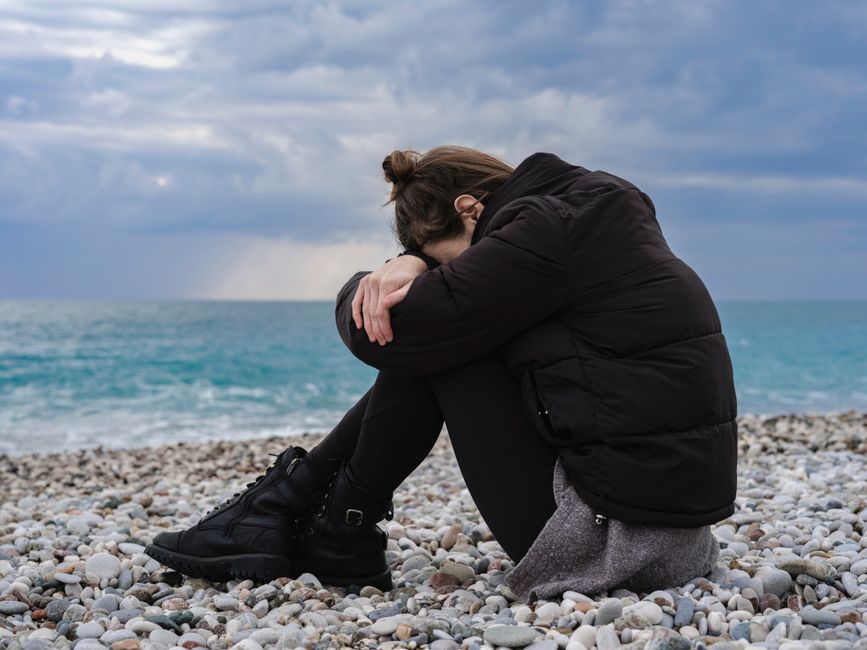
Yes, summer depression is a real condition for many people. While seasonal affective disorder (SAD) is most often linked to winter, a smaller but significant number of people experience depressive symptoms when the days get longer and hotter. This condition is sometimes called reverse seasonal affective disorder or summer-pattern SAD. The symptoms, triggers, and treatments differ from winter depression, and understanding those differences is the first step toward feeling better.
What Is Summer Depression and How Is It Different?
Summer depression is a form of seasonal affective disorder that follows a predictable pattern. Symptoms begin in late spring or early summer and resolve as autumn approaches. This is the opposite of classic winter SAD, which typically starts in fall and lifts in spring.
The two conditions share core features of depression: low mood, loss of interest in activities, and changes in sleep or appetite. But they often look different in practice. Winter SAD commonly involves oversleeping, overeating, and low energy. Summer SAD more often involves insomnia, poor appetite, and agitation.
Some research suggests that people with summer depression may experience more intense irritability and anxiety than those with winter depression. This distinction matters because the treatment approach can differ. What helps someone with winter SAD may not help someone with summer SAD.
What Causes Summer Depression?
The causes are not fully understood, but several factors appear to contribute. Heat and humidity are the most commonly reported triggers. High temperatures can disrupt sleep, reduce appetite, and make physical activity uncomfortable. Each of these can worsen mood.
Longer daylight hours also play a role. The timing of light exposure affects the body’s internal clock, called the circadian rhythm. Some people are sensitive to the shift toward earlier mornings and later evenings. This can disrupt melatonin production, the hormone that regulates sleep.
The body’s stress response may also be involved. Heat stress activates the same hormonal pathways as psychological stress. For some people, this creates a persistent low-grade stress state that contributes to depressive symptoms.
Social and lifestyle factors matter too. Summer often brings pressure to be social, wear less clothing, or participate in outdoor activities. For people with body image concerns, social anxiety, or financial limits, these pressures can be significant. The cultural expectation that summer should be fun makes it harder for those struggling to acknowledge their distress.
What Are the Symptoms of Summer Depression?
Symptoms can vary from person to person, but several patterns are common. The most frequently reported symptoms include:
- Insomnia or difficulty staying asleep
- Poor appetite and unintentional weight loss
- Agitation, restlessness, or anxiety
- Irritability and low frustration tolerance
- Loss of interest in activities once enjoyed
- Feelings of hopelessness or worthlessness
- Difficulty concentrating
- Withdrawal from friends and family
Physical symptoms can also occur. Some people report headaches, fatigue, or a heavy feeling in their limbs. Others notice their skin feels sensitive to heat or that they feel constantly uncomfortable in their own body.
The timing of symptoms is important for diagnosis. A healthcare provider will look for a pattern where symptoms appear in summer and resolve in autumn across multiple years. A single bad summer does not necessarily mean you have seasonal depression.





Who Is Most at Risk for Summer Depression?
Anyone can experience summer depression, but certain groups appear more vulnerable. People living in hot, humid climates report higher rates than those in milder regions. This may be because heat exposure is more intense and lasts longer.
People with a personal or family history of depression are at higher risk. Those with bipolar disorder also need to be aware, as summer can trigger manic or hypomanic episodes in some individuals. The distinction between depression and mania is important, and treatment differs significantly.
Women are diagnosed with seasonal depression more often than men, though it is unclear whether this reflects a true difference in prevalence or a difference in who seeks help. Younger adults appear to be affected more than older adults.
How Is Summer Depression Treated?
Treatment depends on the severity of symptoms. For mild cases, practical changes can make a meaningful difference. Keeping living spaces cool with air conditioning or fans, staying hydrated, and scheduling outdoor activities during cooler morning or evening hours can reduce heat-related stress.
Light therapy, which is a standard treatment for winter SAD, is not recommended for summer depression. In fact, it may make symptoms worse by increasing light exposure. Instead, some clinicians recommend reducing light exposure in the late afternoon or evening. Wearing sunglasses outdoors and using dim lighting indoors in the evening may help regulate the circadian rhythm.
For moderate to severe symptoms, professional treatment is important. Cognitive behavioral therapy has shown effectiveness for seasonal depression. Antidepressant medication may also be recommended, particularly selective serotonin reuptake inhibitors. A psychiatrist or primary care provider can help determine the best approach.
There is limited high-quality research specifically on summer SAD treatment. Most recommendations are based on studies of general depression or winter SAD. Some clinicians apply principles from those studies while adjusting for the unique features of summer symptoms. If you are considering treatment, discuss the evidence with your provider.
When Should You See a Professional?
If depressive symptoms interfere with your daily life, work, or relationships, it is worth seeking help. You do not need to wait until symptoms become severe. Early intervention often leads to better outcomes.
Seek immediate help if you have thoughts of self-harm or suicide. The 988 Suicide and Crisis Lifeline in the United States provides free, confidential support 24 hours a day. You can call or text 988 from anywhere in the country.
Also consider seeing a professional if you notice the pattern repeating across summers. A healthcare provider can help you distinguish summer depression from other conditions with similar symptoms, such as thyroid disorders, anemia, or chronic fatigue. These conditions can overlap and require different treatment.
What Can You Do This Summer to Protect Your Mood?
Several practical strategies may help reduce the impact of summer on your mental health. These are not substitutes for professional care, but they can support your overall well-being.
Maintain a consistent sleep schedule. Go to bed and wake up at the same time each day, even on weekends. Use blackout curtains or an eye mask to keep your bedroom dark. Keep the room cool, ideally below 70 degrees Fahrenheit, as heat disrupts sleep quality.
Stay active but adjust the timing. Exercise in the early morning or evening when temperatures are lower. Indoor options like swimming, gym workouts, or yoga can provide physical activity without heat exposure.
Watch your diet. Summer heat can suppress appetite, but skipping meals worsens mood and energy. Choose light, nutrient-dense foods that you can eat even when you do not feel hungry. Cold soups, smoothies, salads, and fruit are practical options.
Limit alcohol and caffeine. Both can interfere with sleep and mood regulation. Alcohol also dehydrates the body, which is riskier in hot weather.
Plan social activities that work for you. If large gatherings feel overwhelming, suggest smaller meetups or indoor activities with air conditioning. It is okay to decline invitations that do not serve your mental health.
Keep a mood journal. Tracking your symptoms, sleep, and activities can help you identify your personal triggers. This information is also valuable if you decide to see a professional.
Frequently Asked Questions
Can summer heat actually cause depression?
Heat itself does not directly cause depression, but it can trigger the biological and lifestyle changes that contribute to it. High temperatures disrupt sleep, reduce appetite, and may activate stress pathways in the body.
How long does summer depression last?
Symptoms typically begin in late spring or early summer and resolve as autumn approaches. The exact duration varies by person and by how hot and humid the local climate remains.
Is light therapy helpful for summer depression?
No, light therapy is generally not recommended for summer depression. It is a standard treatment for winter SAD but may worsen summer symptoms by increasing light exposure.
What is the difference between winter and summer depression?
Winter depression usually involves oversleeping, overeating, and low energy. Summer depression more often involves insomnia, poor appetite, agitation, and irritability. The treatment approaches also differ.
Can summer depression go away on its own?
Mild cases may improve when the weather cools and the season changes. Moderate to severe symptoms are less likely to resolve on their own and often benefit from professional treatment.
