
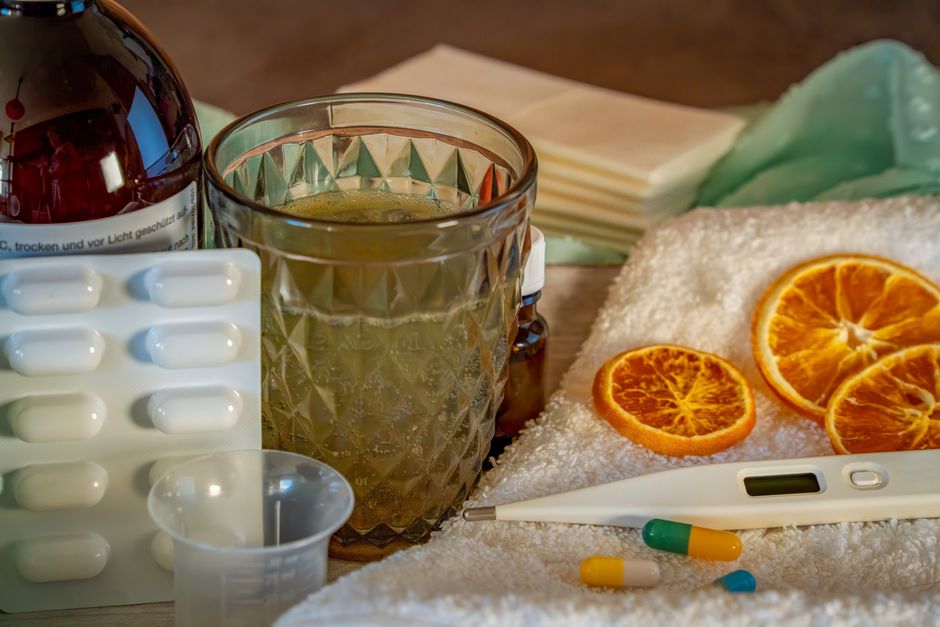
Strep throat never really disappears. It circulates year-round in the United States, with cases climbing in late winter and early spring, and it can spike at any point when school is in session. If you or your child suddenly has a sore throat, fever, and swollen neck glands with no cough, strep is a reasonable suspect — but only a rapid test or throat culture can confirm it.
Group A Streptococcus bacteria cause strep throat. These bacteria spread through respiratory droplets and direct contact, which is why outbreaks cluster in classrooms, daycares, and crowded households. The infection is most common in children between 5 and 15 years old, though adults get it too, especially those who live or work with young children.
Is Strep Throat Going Around Right Now?
Strep throat is always going around to some degree. There is no true “strep season” the way there is a flu season, but cases do follow a pattern.
In the US, group A strep pharyngitis peaks during winter and early spring. The Centers for Disease Control and Prevention notes that while strep throat can occur at any time of year, it is most common in late winter and early spring. That timing overlaps with cold and flu season, which can make it hard to tell what you or your child actually has.
Local conditions matter more than the calendar. If a classroom has two or three confirmed cases, the odds of another child in that room getting it rise. Household transmission is also common — if one family member has confirmed strep, others in the home are at increased risk.
There is no public tracking system for strep throat the way there is for influenza. Your local health department may report unusual clusters, but routine case counts are not published. If you want to know whether strep is circulating in your area, the most reliable signal is what your pediatrician or primary care office is seeing.
What Makes Strep Throat Different From a Regular Sore Throat?
Most sore throats are caused by viruses. Viral pharyngitis typically comes with a cough, runny nose, hoarseness, and redness without white patches. Strep throat tends to look and feel different.
The classic presentation includes:
- Sudden onset of sore throat, often severe
- Fever, typically above 100.4°F (38°C)
- Swollen, tender lymph nodes in the neck
- White or yellow patches on the tonsils
- Petechiae — tiny red spots — on the soft palate
- Absence of cough
The lack of cough is one of the most useful distinguishing features. Viral sore throats almost always come with a cough or significant nasal congestion. Strep usually does not.
That said, no symptom pattern is perfect. Some people with strep have mild symptoms. Some people with viral infections have white patches on their tonsils. This is why clinical guidelines recommend testing rather than diagnosing by appearance alone.
How Is Strep Throat Diagnosed?
Diagnosis requires a test. A rapid antigen detection test can give results in minutes, and a throat culture takes 24 to 48 hours. Both are standard.
The rapid test is highly specific — if it is positive, you have strep. If it is negative, the picture is less clear. Rapid tests can miss infections, especially in children. For that reason, many clinicians send a throat culture when the rapid test is negative in a child or adolescent, since the risk of untreated strep is higher in that age group.
In adults, the approach is often different. Clinical guidelines generally support using the rapid test alone in adults, because the likelihood of strep and the risk of complications are both lower. Some clinicians still order cultures, and practice varies.
There is a scoring tool called the Centor criteria that estimates the probability of strep based on fever, absence of cough, swollen lymph nodes, and tonsillar exudate. It can help guide testing decisions, but it is not a substitute for a test.





How Long Is Strep Throat Contagious?
Strep throat is contagious during the acute illness and for a period after starting antibiotics. Most people are no longer considered contagious after 12 to 24 hours of appropriate antibiotic treatment, provided fever has resolved.
Without antibiotics, someone with strep throat can remain contagious for weeks, even after symptoms improve. That is one reason treatment matters beyond just feeling better — it shortens the window during which you can pass the infection to others.
Children are usually kept home from school until they have been on antibiotics for at least 12 to 24 hours and are fever-free. Adults should follow the same general guidance, though many workplaces do not have formal policies.
Does Strep Throat Always Need Antibiotics?
For confirmed group A strep pharyngitis, antibiotics are the standard of care. Penicillin and amoxicillin are first-line treatments. This is one of the few situations where antibiotics are clearly indicated for a sore throat.
The reason is not just symptom relief. Untreated strep throat can lead to complications, including rheumatic fever and kidney inflammation. These complications are rare in the US but still occur. Antibiotics reduce that risk.
Antibiotics also shorten the duration of symptoms, reduce spread to others, and lower the chance of developing a peritonsillar abscess — a collection of pus behind the tonsil that can require drainage.
Some people are allergic to penicillin. In those cases, alternatives such as cephalosporins, clindamycin, or azithromycin may be used, depending on the allergy history and local resistance patterns. Your clinician will choose based on your specific situation.
It is worth noting that antibiotics do not help viral sore throats. If your test is negative and your clinician determines the cause is viral, antibiotics will not speed recovery and carry risks of side effects and resistance.
How Can You Reduce the Spread at Home?
Strep spreads through respiratory droplets and shared items. Basic hygiene reduces transmission, though no measure is perfect.
- Wash hands often with soap and water for at least 20 seconds
- Do not share cups, utensils, or water bottles
- Cover coughs and sneezes with a tissue or elbow
- Clean frequently touched surfaces
- Keep the infected person home until they have been on antibiotics for at least 12 to 24 hours and are fever-free
If someone in the household has confirmed strep, watch for symptoms in others. Household transmission is common, and early testing can catch cases before they spread further.
There is no vaccine for group A strep. Research into a vaccine is ongoing, but none is currently available.
When Should You See a Doctor?
See a doctor if you have a sore throat with fever, swollen lymph nodes, and no cough — especially if you have been around someone with confirmed strep. Testing is quick and guides treatment.
Seek urgent care if you have difficulty swallowing, difficulty breathing, drooling, a muffled voice, or if you see swelling on one side of the throat that is getting worse. These can be signs of a peritonsillar abscess or another serious condition.
Also seek care if symptoms are not improving after a few days on antibiotics, or if they worsen after initially improving. That can signal a complication or a different diagnosis.
Frequently Asked Questions
How long does strep throat last?
With antibiotics, symptoms usually improve within 24 to 48 hours and resolve within a few days. Without treatment, symptoms may last one to two weeks, and the person can remain contagious for weeks.
Can you have strep throat without a fever?
Yes, some people with confirmed strep throat do not have a fever. However, fever is common, and its absence makes strep less likely — though it does not rule it out.
Is strep throat more common in children or adults?
Strep throat is most common in children between 5 and 15 years old. Adults can get it, especially those who live or work with young children, but it is less frequent.
Can you get strep throat twice in a row?
Yes, it is possible to get strep throat more than once. Repeat infections can occur, and in some cases, a person may be a chronic carrier who tests positive without symptoms.
