
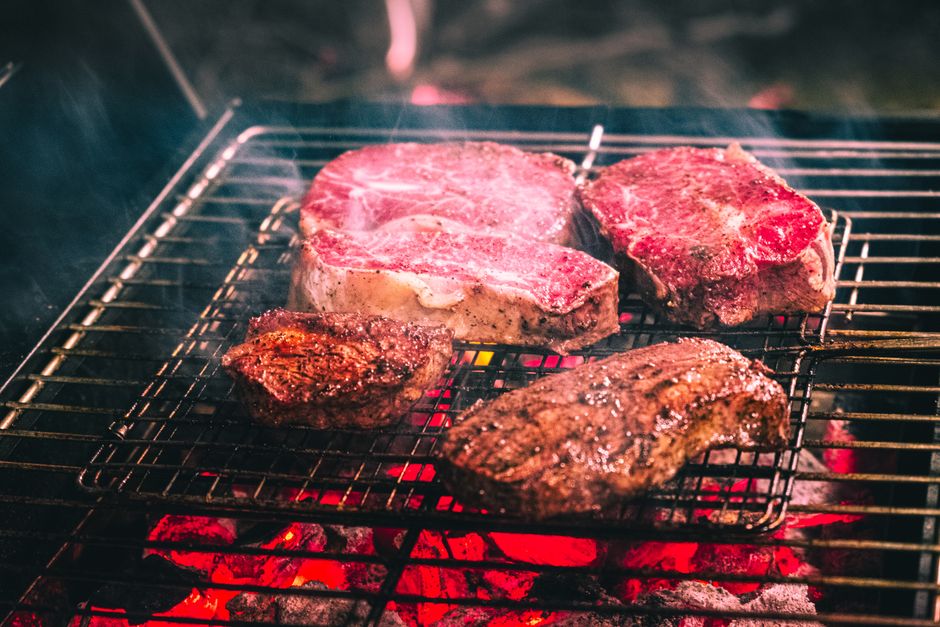
Steak is one of the most protein-dense foods you can put on a plate. Most cuts deliver roughly 22 to 29 grams of protein per 3-ounce cooked serving, and the differences between cuts are smaller than most people expect. What changes more dramatically is fat content, which swings from lean cuts like top sirloin to heavily marbled ones like ribeye.
Is Steak High In Protein Amounts By Cut?
Yes. Nearly every beef cut qualifies as a high-protein food. A 3-ounce cooked portion of most steaks lands between 22 and 29 grams of protein, which is close to half the daily protein needs of an average adult.
The protein content across cuts is remarkably consistent because protein comes from muscle tissue, and all steaks are muscle. Fat is what varies. A cut with heavy marbling has more calories per ounce, but its protein per ounce stays in the same general range as a lean cut.
Here is how several common cuts compare per 3-ounce cooked serving, based on USDA nutrient data:
| Cut | Protein (g) | Fat (g) | Calories |
|---|---|---|---|
| Top sirloin | ~26 | ~7 | ~180 |
| Flank steak | ~24 | ~9 | ~190 |
| Filet mignon | ~24 | ~12 | ~210 |
| Strip steak | ~24 | ~14 | ~220 |
| Ribeye | ~23 | ~20 | ~280 |
Those numbers shift a little depending on the animal’s diet, the grade of beef, and how the steak is trimmed. But the pattern holds. Protein stays steady. Fat and calories climb as marbling increases.
Which Steak Cuts Have The Most Protein Per Serving?
Lean cuts tend to edge out fattier ones on protein per ounce, but only slightly. Top sirloin, eye of round, and bottom round typically land at the higher end of the range. Ribeye and other well-marbled cuts sit a bit lower because a larger share of their weight comes from fat.
The gap is modest. We are talking about a few grams per serving, not a meaningful difference for most people. If your goal is maximizing protein, choosing a lean cut helps. So does paying attention to portion size, which affects your total intake far more than the cut itself.
One practical point: fat carries flavor and moisture, so leaner cuts dry out faster during cooking. That does not change the protein, but it changes how enjoyable the steak is to eat.
How Does Cooking Affect Protein In Steak?
Cooking does not destroy protein in any meaningful way. Heat causes protein molecules to unfold and bind together, which is why a raw steak turns firm and opaque as it cooks. The amino acids remain intact and digestible.
What cooking does change is weight. A raw steak loses water and some fat as it cooks, so a 4-ounce raw portion may weigh closer to 3 ounces once it is done. This matters when you read nutrition labels, because most USDA beef data is reported for cooked meat.
If you are tracking protein, weigh your steak after cooking or account for the shrinkage. A steak that looks like it shrank by a quarter lost mostly water, not protein.
Cooking method has almost no effect on protein content. Grilling, pan-searing, broiling, and sous vide all preserve the protein. Very high heat for a long time can create compounds that some research links to health concerns, but that is separate from protein value.
Is Steak A Complete Protein?
Yes. Beef is a complete protein, meaning it contains all nine essential amino acids your body cannot make on its own. It is also highly digestible, and its protein is well absorbed compared with many plant sources.
This is one reason steak and other red meats are often used as reference proteins in nutrition research. The amino acid profile is close to what human muscle needs.
For people who eat meat, a single serving of steak can cover a large share of daily protein needs in one meal. For older adults, who may need more protein to maintain muscle, that density is useful.
How Does Steak Compare To Other Protein Sources?
Steak holds its own against most common protein foods. Per 3-ounce cooked serving, it delivers more protein than eggs, most fish, and many plant sources, though the comparison depends on the specific food.
Chicken breast and turkey are leaner and often deliver slightly more protein per ounce. Fish such as salmon is comparable in protein but brings different fats. Beans and lentils provide protein but in lower amounts per serving and with less complete amino acid profiles on their own.
What sets steak apart is not protein quantity alone. It is the combination of high protein, complete amino acids, and key nutrients like iron, zinc, and vitamin B12. Those nutrients are more readily absorbed from beef than from plant foods.
The trade-off is saturated fat. Some cuts carry a lot of it, and public health guidance generally recommends limiting saturated fat intake. Leaner cuts and controlled portion sizes address that concern without giving up the protein.
Does The Grade Or Breed Of Beef Change Protein Content?
Beef grade has little effect on protein. USDA Prime, Choice, and Select grades reflect marbling and maturity, not protein. A Prime ribeye and a Select ribeye have similar protein per ounce, but the Prime version has more fat and more calories.
Breed and diet can shift the fat profile. Grass-fed beef tends to be leaner than grain-fed, which may mean slightly less fat and marginally more protein per ounce. The difference is small and not consistent across all studies.
What matters more for protein is the cut and how it is trimmed. A well-trimmed lean cut from any grade will be a strong protein source.
How Much Steak Is A Reasonable Serving?
A common serving size is 3 to 4 ounces of cooked steak, about the size of a deck of cards. That portion delivers roughly 22 to 29 grams of protein, depending on the cut.
Many restaurant steaks are far larger, often 8 to 16 ounces. A 12-ounce ribeye can carry well over 70 grams of protein and a large amount of saturated fat in a single meal. That is not necessarily harmful once in a while, but it is a lot for one sitting.
For most adults, spreading protein across meals works better than loading it into one. A 3- to 4-ounce steak alongside vegetables and a whole grain makes a balanced plate.
People with kidney disease or other conditions that affect protein tolerance should follow their clinician’s guidance rather than general recommendations. No single serving size fits everyone.
Does Steak Have Downsides Beyond Fat?
Steak is a red meat, and higher intakes of red and processed meats have been linked in large observational studies to increased risk of certain cancers and heart disease. The evidence for processed meats like bacon and hot dogs is stronger than for unprocessed cuts like steak.
Observational studies cannot prove cause and effect. People who eat a lot of red meat may differ in other ways that affect health. Still, the pattern has shown up across many large studies, which is why most dietary guidance suggests moderating red meat intake.
This does not mean steak is off the table. It means treating it as one protein among many, rather than the centerpiece of every meal, aligns with what the evidence currently supports.
What About Protein In Steak Versus Ground Beef?
Ground beef is essentially steak that has been minced, so its protein content is similar. The difference is fat, which depends on the lean-to-fat ratio on the label.
A 90% lean ground beef has less fat than a 70% lean version, but both provide roughly comparable protein per cooked ounce. If you want steak-level protein with more control over fat, lean ground beef is a practical option.
One caveat: ground beef is often cooked to a higher internal temperature than steak, and some fat drains off during cooking. That can slightly change the final protein-to-fat ratio compared with a whole cut.
Frequently Asked Questions
How much protein is in a 3-ounce steak?
A 3-ounce cooked serving of most steaks provides about 22 to 29 grams of protein, depending on the cut. Lean cuts tend to sit at the higher end of that range.
Which steak cut has the most protein?
Lean cuts like top sirloin and round steaks generally have the most protein per ounce. The difference between cuts is small, usually just a few grams per serving.
Is ribeye high in protein?
Yes, ribeye is still a high-protein food at roughly 23 grams per 3-ounce cooked serving. It has more fat and calories than leaner cuts, but its protein content is similar.
Does grilling steak reduce its protein?
No, grilling does not reduce protein content in any meaningful way. Cooking causes water loss, which shrinks the steak’s weight, but the protein remains intact.
