
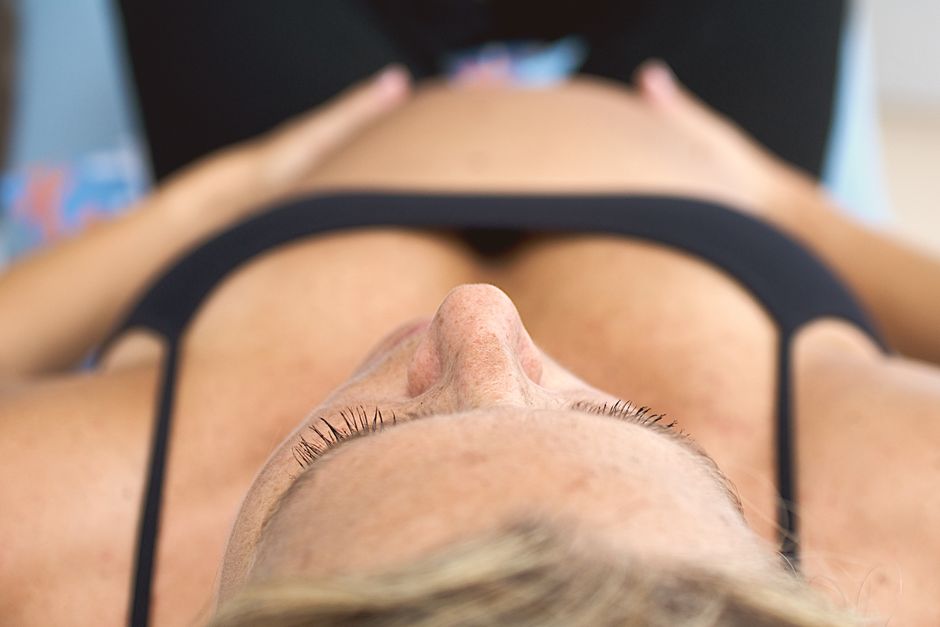
St Tropez self-tanning products are not considered a health risk during pregnancy, because the active ingredient, DHA (dihydroxyacetone), works on the dead surface layer of skin and is not absorbed into the bloodstream in meaningful amounts. The main things to watch are inhalation of spray mists, skin sensitivity, and slipping on freshly tanned skin. If you want a tan for an event, a lotion or mousse you apply yourself is the lowest-risk option.
Is St Tropez Safe For Pregnancy Tips And Risks?
Yes, with sensible precautions. The brand’s self-tanning lotions, mousses, and gradual tanners are generally considered safe to use during pregnancy by most clinicians, because the tanning effect happens in the outer layer of dead skin cells.
DHA is a simple sugar molecule. It reacts with amino acids in the stratum corneum — the outermost layer of skin — to produce brown pigments called melanoidins. That reaction happens on the surface. The stratum corneum is made of dead cells, so there is no living tissue for the product to enter.
Small amounts of DHA can penetrate into deeper skin layers, and some can be absorbed. The amounts are very small. No clinical evidence currently confirms harm to a pregnancy from topical self-tanners used as directed. That is not the same as proof of zero risk — it reflects the absence of any signal of harm in the available data.
Where the advice gets more cautious is with spray tanning. Inhaling aerosolized DHA is a different exposure route than rubbing lotion onto your legs. More on that below.
How Do Self-Tanners Work and Why Does That Matter in Pregnancy?
Self-tanners do not stimulate melanin. They stain the skin surface. This distinction is why they are treated differently from sunbeds and sun exposure.
Real tanning — from UV light — triggers your body to produce melanin in living skin cells. UV exposure carries established risks in pregnancy, and dermatology and obstetric guidance consistently advises against tanning beds and unprotected sun exposure. Self-tanners skip that whole pathway.
The DHA reaction takes a few hours to develop and typically fades over several days as those outer skin cells shed naturally. Nothing about that process involves your circulation, your hormones, or the placenta in any established way.
One clarification worth making: a fake tan gives you zero protection from the sun. Some people assume a tan is a tan. It is not. A St Tropez tan does not raise your skin’s UV defense at all, so sunscreen habits still matter exactly as much as before.
Is Spray Tanning Safe During Pregnancy?
Spray tanning is where I would be more careful. The concern is not the skin — it is your lungs.
In a spray tan booth or a hand-held spray session, the product becomes a fine mist. You stand in an enclosed space and breathe it in. DHA has been studied for inhalation safety in occupational settings, and regulatory reviews have generally found it acceptable at expected exposure levels — but pregnancy is a population where regulators and clinicians tend to apply extra caution.
The honest position: no large human trials have looked specifically at spray tanning in pregnancy. The evidence is limited. Many clinicians advise pregnant women to avoid spray tanning as a precaution rather than because harm has been demonstrated.
If you do choose spray tanning, practical steps reduce exposure:
- Ask for a hand-held spray rather than a booth, so the technician can direct the mist and you can hold your breath briefly.
- Ask for nose plugs or a mask, and request that your face is not sprayed.
- Choose a well-ventilated space, not a small closed booth.
- Tell the technician you are pregnant so they can adjust technique.
None of these eliminate the exposure. They reduce it. If you want the lowest-exposure route, a self-applied lotion or mousse avoids the inhalation question entirely.
What Are the Main Risks of Self-Tanning in Pregnancy?
The realistic risks are mostly practical and skin-related, not fetal.
Skin sensitivity. Pregnancy changes skin. Many women notice increased reactivity, dryness, or itchiness. DHA itself can irritate sensitive skin, and the other ingredients in a tanning product — fragrances, preservatives, solvents — are common triggers. A patch test on a small area a day before full application is a reasonable step.
Inhalation. Covered above. Relevant mainly to sprays.
Slipping. This one is underrated. Tanning products leave skin and bathroom floors slick. Pregnancy already shifts your center of gravity and loosens joints, and falls are a genuine concern. Apply standing on a towel or non-slip mat, and wipe the floor afterward.
Skin staining and uneven results. Not dangerous, but pregnancy skin can be drier or more uneven, so streaks are more likely. Exfoliating gently beforehand helps.
Allergic reaction. Rare but possible. If you develop hives, swelling, or widespread redness, stop using it and speak to a clinician.
Which St Tropez Products Are Considered Lower Risk?
The format matters more than the brand. Anything you apply with your hands and that stays on the skin surface is lower exposure than anything you breathe in.
Lower-exposure options include:
- Self-tan lotions and mousses applied by hand or with a mitt
- Gradual tanners, which contain lower concentrations of DHA
- Tanning drops you mix into your own moisturizer, giving you control over strength
- Wash-off or short-developing formulas
Higher-exposure options include spray booths and any aerosolized application. The brand’s own guidance and product labels are worth reading, and if you are unsure, your obstetric provider is the right person to ask — they know your specific pregnancy.
What About the Rest of Your Skincare Routine in Pregnancy?
Self-tanner is usually not the ingredient worth worrying about. Other products in your routine deserve more scrutiny.
Retinoids — including prescription tretinoin and over-the-counter retinol — are generally advised against in pregnancy. Oral isotretinoin is well established as harmful in pregnancy, and topical retinoids are avoided as a precaution even though topical absorption is low. High-dose oral salicylates are also avoided; topical salicylic acid in small amounts is generally considered acceptable by most clinicians, but the evidence for higher-strength or widespread use is limited.
Some essential oils and “natural” ingredients are not automatically safer. Certain oils are best avoided in pregnancy, and product labels do not always make this clear. If a product markets itself as pregnancy-safe, that is a marketing claim, not a regulatory certification.
The practical rule: keep your routine simple, check active ingredients, and ask your provider about anything you are unsure of. Self-tanner is one of the less complicated items on that list.
Practical Tips If You Decide to Use St Tropez While Pregnant
These steps reduce exposure and improve results without overcomplicating things.
- Do a patch test on your inner arm 24 hours before full application.
- Apply in a well-ventilated room, not a steamy bathroom.
- Use a mitt or gloves to keep application even and your hands clean.
- Stand on a towel or non-slip mat to reduce fall risk.
- Avoid your face if you are prone to sensitivity, or use a gradual formula there.
- Keep the product away from broken skin, cuts, or a rash.
- Continue using sunscreen — a fake tan offers no UV protection.
- If you notice itching, redness, or swelling, stop and speak to a clinician.
Timing is worth a mention. Many women use self-tanner for a specific event — a wedding, a shower, a holiday. If that is you, applying a few days ahead gives you time to see how your skin reacts before the day itself.
Frequently Asked Questions
Is St Tropez safe to use while pregnant?
Most clinicians consider self-tanning lotions and mousses safe in pregnancy because DHA works on the dead surface layer of skin and is not absorbed in meaningful amounts. Spray tanning involves inhaling mist, so many providers advise avoiding it as a precaution.
Can I get a spray tan while pregnant?
No large human trials have looked specifically at spray tanning in pregnancy, so the evidence is limited. Many clinicians advise against it as a precaution rather than because harm has been shown, and a self-applied lotion avoids the inhalation question entirely.
Does fake tan affect the baby?
No established evidence shows that topical self-tanners used as directed reach the baby or cause harm. The tanning reaction happens in dead skin cells on the surface, not in your bloodstream.
Does a fake tan protect me from the sun?
No. A self-tanner does not raise your skin’s UV defense at all, so sunscreen habits matter exactly as much as before.
