
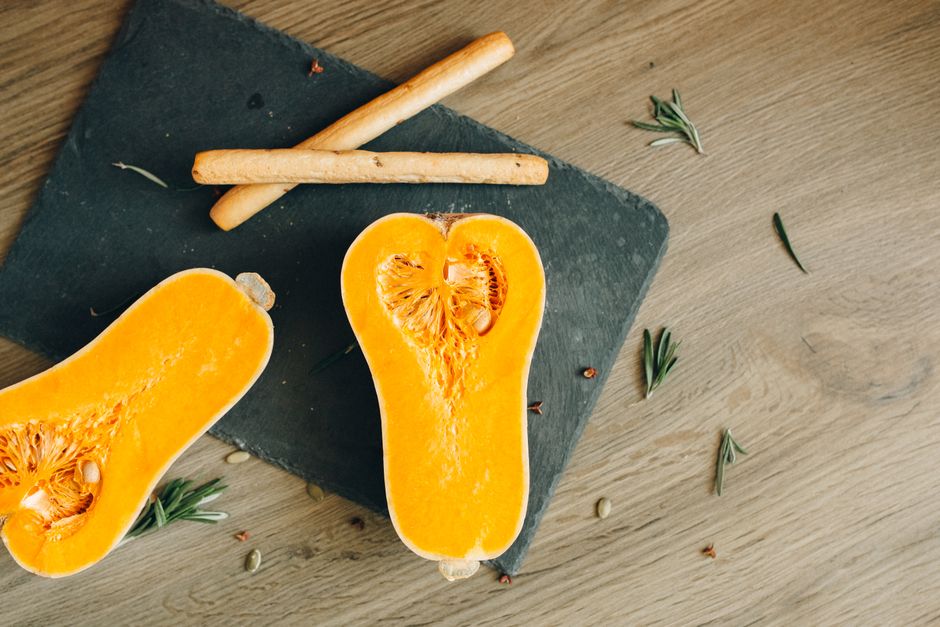
Most squash is easy to digest, and that makes it a reasonable choice for many people with a sensitive stomach. The flesh is soft, low in fat, and low in the tough insoluble fiber that tends to irritate a delicate gut. The main exceptions are the skin, the seeds, and large portions of certain varieties that carry more fiber than others.
Squash covers a wide range of vegetables. That includes summer types like zucchini and yellow squash, and winter types like butternut, acorn, pumpkin, and spaghetti squash. They behave differently in the digestive tract, and the difference matters if your stomach is easily upset.
Is Squash Easy to Digest for a Sensitive Stomach?
Yes, for most people. Squash is one of the gentler vegetables you can eat when your digestion is fragile.
The reason comes down to texture and fiber type. When squash is cooked until soft, its plant cell walls break down. That does part of the digestive work before the food reaches your stomach. Soft, cooked plant tissue empties from the stomach faster and puts less mechanical strain on the gut than raw, fibrous vegetables like cabbage or raw broccoli.
Squash is also low in fat, which matters because fat slows stomach emptying. A low-fat, soft food tends to sit more comfortably than a rich, greasy meal.
One clarification worth making: “easy to digest” does not mean “safe for every condition.” It means the food is generally well tolerated by a healthy but sensitive digestive system. In active flare-ups of a specific disease, different rules can apply.
Which Types of Squash Are Gentlest on the Stomach?
Summer squash tends to be the gentlest. Zucchini and yellow squash are mostly water, low in fiber, and quick to soften. They are usually the safest starting point.
Among winter squash, butternut and acorn are often well tolerated when cooked until tender. Pumpkin is similar. These have more fiber than summer squash but still soften easily with cooking.
Spaghetti squash is a little different. Its flesh separates into strands that can be slightly more fibrous. It is still generally fine, but some people find it less smooth than butternut.
Here is a rough comparison of how these types tend to behave:
| Type | Fiber level | Typical tolerance |
|---|---|---|
| Zucchini | Low | Usually very well tolerated |
| Yellow squash | Low | Usually very well tolerated |
| Butternut | Moderate | Often well tolerated when soft |
| Acorn | Moderate | Often well tolerated when soft |
| Pumpkin | Moderate | Often well tolerated |
| Spaghetti squash | Moderate | Varies by person |
These are general patterns, not guarantees. Individual tolerance varies, and the way you cook squash often matters more than the variety.
Why Cooking Method Changes How Well You Tolerate Squash
How you cook squash affects digestion more than most people realize. Heat breaks down pectin and other structural fibers in the plant cell wall. The softer the squash, the less work your gut has to do.
Steaming, boiling, and roasting until tender all help. Roasting brings out sweetness, but if you roast only until firm, the flesh stays tougher and is harder to break down. Cooking until it yields easily under a fork is the practical target.
Raw zucchini is a different story. Raw squash is firmer and carries more intact fiber. Some people with a sensitive stomach handle it fine. Others find it causes gas, bloating, or cramping. If you are testing squash for the first time, cooked is the safer starting point.
Peeling also helps. The skin of winter squash is tough and fibrous. Removing it reduces the fiber load and makes the food easier to process. Summer squash skin is thinner and often tolerable, but peeling it is an option if you are struggling.
Skipping heavy cream, butter, and cheese sauces matters too. Squash itself is gentle. A rich sauce can turn a light dish into a heavy one that sits in the stomach longer.





What About Fiber and FODMAPs in Squash?
Squash contains both soluble and insoluble fiber, and the balance shifts by type. Soluble fiber dissolves in water and forms a gel. It tends to be gentler and can even help regulate bowel movements. Insoluble fiber adds bulk and can be irritating when the gut is inflamed.
Summer squash leans toward the gentler side. Winter squash has more total fiber, which is why portion size matters for a sensitive stomach.
There is another factor some people overlook. Certain squash varieties contain fermentable carbohydrates that can trigger gas and bloating in people with irritable bowel syndrome.
In low-FODMAP eating, which some clinicians recommend for IBS, zucchini is generally considered low in fermentable carbohydrates in small servings. Butternut squash is often listed as low in small portions and higher in larger ones. This is why a small serving of butternut may sit well while a large bowl causes problems.
The takeaway is portion size. A half-cup of cooked squash is very different from two cups. If you are sensitive, start small and see how your body responds.
When Squash Might Not Be a Good Choice
During an active flare of a digestive condition, even gentle foods can cause trouble. This is true for inflammatory bowel disease flares, severe gastroparesis, and some cases of acute gastroenteritis.
In these situations, clinicians sometimes recommend a low-fiber or low-residue diet for a period. That means limiting fiber from all plant foods, including squash. This is a short-term measure guided by a doctor, not a permanent way of eating.
If you have a known condition like Crohn’s disease, ulcerative colitis, or IBS, your tolerance for squash depends on where you are in your cycle of symptoms. What works during a calm period may not work during a flare.
Anyone with a diagnosed digestive disease should treat squash like any other food — introduce it carefully and pay attention to how you feel. A registered dietitian can help you sort out what fits your situation.
How to Add Squash to Your Diet Without Upsetting Your Stomach
Start with a small amount of a gentle type. A few tablespoons of steamed zucchini or mashed butternut is enough to test tolerance.
Cook it until very soft. Peel it if it is a winter variety. Keep the preparation simple — no heavy sauces, no excess oil.
Eat it on its own or with other mild foods rather than in a large mixed meal. This makes it easier to tell whether squash itself is the problem if symptoms appear.
If it sits well, you can gradually increase the portion and try other varieties. If it causes gas, bloating, or discomfort, back off and try again later, or try a different type.
- Choose summer squash or butternut as a starting point
- Cook until fork-tender, not firm
- Peel winter squash to reduce fiber
- Keep portions small at first
- Avoid creamy or cheesy sauces
- Introduce one new food at a time
This approach is not a treatment for any condition. It is a practical way to test how your body handles a specific food. If symptoms are severe, persistent, or getting worse, that is a reason to see a doctor rather than adjust your diet on your own.
Frequently Asked Questions
Is zucchini easier to digest than butternut squash?
Yes, zucchini is generally easier because it is lower in fiber and higher in water. Butternut squash is usually still fine when cooked until soft and eaten in small portions.
Can squash cause bloating or gas?
It can, especially in larger portions or in people with irritable bowel syndrome. The fermentable carbohydrates in squash are the usual reason, and portion size often determines whether symptoms appear.
Should I peel squash if I have a sensitive stomach?
Peeling winter squash is a reasonable step because the skin is tough and fibrous. Summer squash skin is thinner and many people tolerate it without peeling.
Is raw squash harder on the stomach than cooked squash?
Yes, raw squash is firmer and carries more intact fiber, which can be harder to break down. Cooking until soft makes squash easier to digest for most people.
