
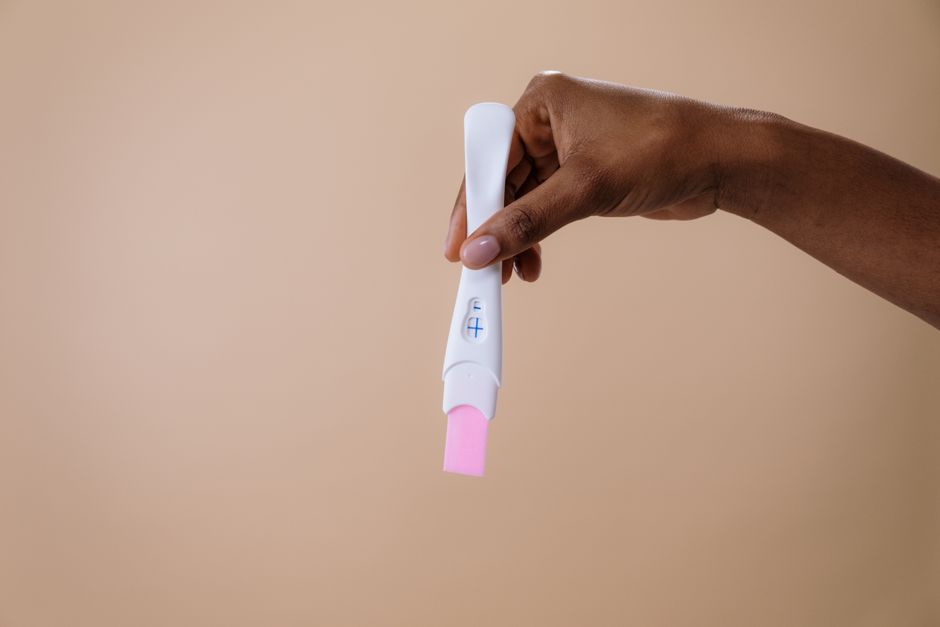
Spotting can be an early sign of pregnancy, but it is not a reliable one on its own. Many people who spot during early pregnancy go on to have healthy pregnancies, and many people who spot are not pregnant at all. The only way to know is to test for pregnancy or talk with a clinician who can check.
If you are tracking your cycle and notice a small amount of light bleeding, it makes sense to wonder what it means. This article explains what spotting is, why it can happen in early pregnancy, what else causes it, and when bleeding deserves medical attention.
What Counts as Spotting?
Spotting is light bleeding that is not heavy enough to need a pad or tampon, or that only requires a panty liner. It is usually a few drops of blood, often pink or brown rather than bright red.
This is different from a period, which typically involves a steady flow over several days. It is also different from heavier bleeding, which soaks through protection and may come with clots or cramping.
Paying attention to the color, amount, and timing helps you describe it clearly to a clinician. Those details matter more than the fact that bleeding happened at all.
Is Spotting An Early Sign Of Pregnancy What To Know
Spotting can happen in early pregnancy, and one common reason is implantation. Implantation is when a fertilized egg attaches to the lining of the uterus. This usually happens around 6 to 12 days after ovulation.
Some people notice a small amount of light bleeding or spotting around that time. It is often described as pinkish or brown and lasts a short time. Implantation bleeding is real, but it is not as common or as predictable as many online sources suggest.
That last point matters. A lot of articles treat implantation bleeding as a near-certain sign that you are pregnant. The evidence does not support that. Many people who implant successfully never notice any bleeding, and many people who spot around this time are not pregnant.
So spotting can be part of early pregnancy. It is just not a dependable signal on its own.
How Common Is Bleeding in Early Pregnancy?
Light bleeding or spotting is fairly common in the first trimester. It happens in a meaningful share of pregnancies, and in many of those cases the pregnancy continues normally.
That is the reassuring part, and it is accurate. But it is not the whole picture. Bleeding in early pregnancy can also be a sign of a problem, including miscarriage or an ectopic pregnancy, which is when a fertilized egg implants outside the uterus.
Because the same symptom can point to very different situations, bleeding alone cannot tell you which one you are facing. A test and, when needed, an exam or ultrasound can.



What Else Causes Spotting?
Pregnancy is only one possible cause. Spotting has many explanations, and several of them have nothing to do with pregnancy.
- Ovulation, which can cause a small amount of mid-cycle bleeding
- Hormonal changes or hormonal birth control, especially in the first months of use
- Implantation if pregnancy has occurred
- Irritation of the cervix, which can bleed after sex or a pelvic exam
- Infections, such as certain cervical or vaginal infections
- Perimenopause, when cycles become irregular
- Stress, weight changes, or intense exercise affecting the menstrual cycle
Some of these are harmless. Some need treatment. A clinician can help sort out which is which based on your history and, if useful, a simple test.
How Can You Tell If Spotting Means Pregnancy?
You cannot tell from the spotting itself. The timing, color, and amount overlap too much between pregnancy and other causes.
The reliable way to know is a pregnancy test. Home urine tests can usually detect pregnancy around the time of a missed period. Testing too early can give a false negative because levels of the pregnancy hormone hCG may not be high enough yet.
If a home test is negative but you still have symptoms or your period does not come, wait a few days and test again, or ask a clinician about a blood test. A blood test can detect pregnancy earlier than a urine test.
Other early signs that sometimes appear alongside spotting include breast tenderness, fatigue, and nausea. None of these confirm pregnancy by themselves either. They can also come from a normal menstrual cycle or other causes.
What Does Implantation Bleeding Actually Look Like?
When implantation bleeding does occur, it tends to be light. It is often pink or brown, and it usually lasts a short time rather than building into a flow.
Many people try to compare it to their period to figure out what is happening. That comparison often does not settle anything, because the two can look similar in the early days. Timing can offer a clue, but it is not proof.
Here is the practical takeaway. If you are wondering whether light bleeding is implantation or the start of your period, a pregnancy test is more useful than trying to read the bleeding itself.
When Should You Contact a Doctor About Spotting?
Contact a clinician if you could be pregnant and you have bleeding along with pain, especially sharp or one-sided pain in the abdomen or pelvis. This combination can be a sign of an ectopic pregnancy, which is a medical emergency.
Also seek care if bleeding becomes heavy, soaks through protection, or comes with clots. Dizziness, fainting, or shoulder pain are additional reasons to get medical help right away.
If you are not sure whether your bleeding is serious, it is reasonable to call. Clinicians would rather answer a question than have you wait on something that needs attention.
What to Expect at a Medical Visit
A clinician will usually start with questions about your cycle, the timing and amount of bleeding, and any other symptoms. A pregnancy test is often the first step.
Depending on the answers, they may do a pelvic exam or an ultrasound. An ultrasound can show whether a pregnancy is in the uterus and how far along it is. In some cases, blood tests over a few days help track how a pregnancy is progressing.
There is no single test that explains every case of early bleeding. The goal is to rule out the serious causes and understand what is going on for you specifically.
The Bottom Line
Spotting can be an early sign of pregnancy, but it is not a dependable one. Implantation bleeding is real and does happen, yet it is less common and less predictable than many sources imply.
If you might be pregnant and you are spotting, the most useful next step is a pregnancy test, followed by a call to a clinician if you have pain, heavy bleeding, or any doubt. That approach gives you real information instead of a guess.
Frequently Asked Questions
Can spotting be a sign of pregnancy before a missed period?
It can, because implantation sometimes causes light bleeding around 6 to 12 days after ovulation. But spotting has many other causes, so it cannot confirm pregnancy on its own.
How do I know if it is implantation bleeding or my period?
You often cannot tell from the bleeding alone, since the two can look similar early on. A pregnancy test is the reliable way to find out.
Is spotting in early pregnancy a sign of miscarriage?
Not necessarily. Light bleeding is common in early pregnancy and many pregnancies continue normally, but bleeding can also signal a problem, so it should be checked.
When should I see a doctor for spotting?
See a clinician if you have bleeding with pain, heavy flow, clots, dizziness, or fainting. If you are unsure, it is reasonable to call and ask.
