
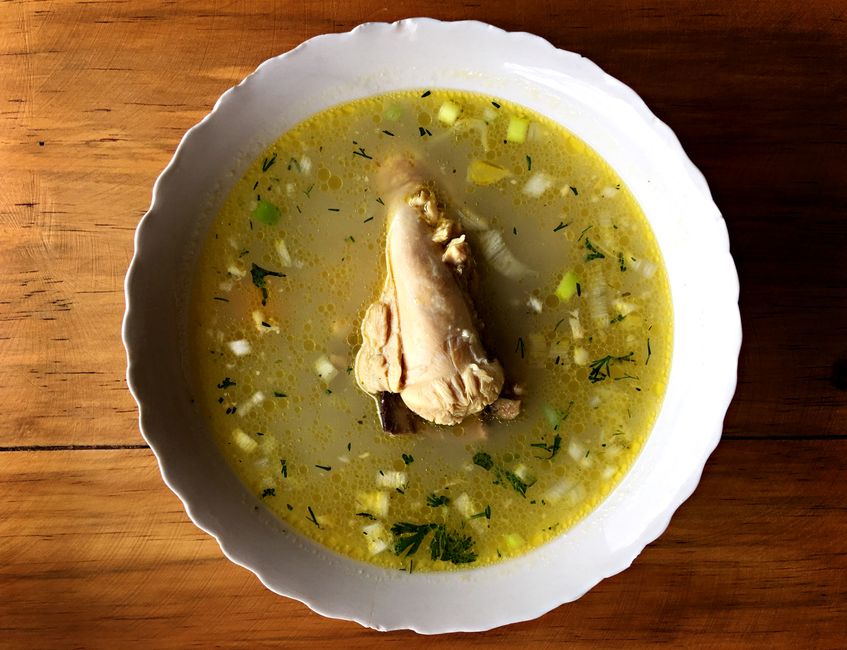
Split pea soup is a good source of plant protein. One cup of cooked split peas provides roughly 16 grams of protein, and a bowl of soup made from them delivers a meaningful share of that. The protein comes from the peas themselves — not from added meat or dairy — which makes the soup a reliable choice for vegetarians and anyone trying to eat more plant-based meals.
The exact amount in your bowl depends on how thick the soup is and what else goes into it. A hearty, pea-heavy soup can land close to the protein in a cup of cooked peas. A thin soup stretched with water or broth delivers less per bowl. Either way, split peas are one of the higher-protein legumes, and that is the main reason the soup earns its reputation.
How Much Protein Is In Split Pea Soup?
A cup of cooked split peas contains about 16 grams of protein, according to USDA nutritional data. That figure reflects plain cooked peas, so a soup built around them carries most of that protein through — as long as the peas are not heavily diluted.
Here is a rough picture of where the protein comes from in a typical homemade bowl:
- Split peas: the dominant source, contributing the large majority of the protein
- Ham or sausage: adds protein only if you include it; traditional recipes often do
- Broth: vegetable or chicken broth adds small amounts, mostly from the chicken variety
- Vegetables: carrots, onions, and celery contribute only trace amounts
So a vegetarian split pea soup gets nearly all its protein from the peas. A version with ham gets more total protein, but the peas remain the backbone. The soup is not a protein concentrate the way meat or tofu is — it is a legume dish, and its protein is spread through a starchy, fiber-rich base.
Portion size matters more than most people expect. A small cup of thin soup might provide closer to 8 to 10 grams. A large, thick bowl could exceed 20 grams. The peas, not the water, are what count.
Why Are Split Peas So High In Protein?
Split peas are the dried, split seeds of the field pea plant, and like all legumes they store protein in the seed to fuel germination. That biological purpose is why the protein is concentrated in the pea rather than spread thinly through a watery vegetable.
Legumes as a group are protein-dense compared with most plant foods. Lentils, chickpeas, and beans all sit in a similar range. Split peas are on the higher end of that group. When the peas are dried, the protein becomes even more concentrated by weight, because most of the water is gone.
There is a detail worth knowing here. The protein in split peas is incomplete on its own — it is low in the amino acid methionine, though it is a good source of lysine. That does not make it a poor protein. It simply means the body does best when peas are eaten alongside grains, which are low in lysine and higher in methionine. Rice, barley, or bread with split pea soup fills that gap. This pairing idea is often called complementary protein, and it happens naturally across a day of eating — you do not need to combine foods at every single meal.
Is Split Pea Soup A Complete Protein?
No, split pea soup on its own is not a complete protein. It lacks enough methionine to stand alone as a full protein source, which is true of nearly all legumes.
The practical fix is simple and does not require planning. Eat the soup with a grain — a slice of whole-grain bread, a scoop of rice, or barley cooked into the soup itself. The grain supplies the amino acid the peas are short on. Together they cover the full set of essential amino acids the body cannot make on its own.
For most people eating a varied diet, this happens without effort. The concern about combining proteins at every meal has been overstated in popular nutrition writing. What matters is the overall pattern across the day, not precise pairing at each sitting.



How Does Split Pea Soup Compare To Other Protein Sources?
Split pea soup holds its own against other plant proteins and falls well below animal sources per serving. The comparison below uses cooked split peas as the reference point, since that is the main ingredient.
| Food (per cup, cooked) | Protein | Notes |
|---|---|---|
| Split peas | ~16 g | High fiber, incomplete protein |
| Lentils | ~18 g | Similar profile, slightly higher |
| Chickpeas | ~15 g | Comparable range |
| Black beans | ~15 g | Comparable range |
| Firm tofu | ~20 g | Complete protein (soy) |
| Chicken breast | ~40 g | Complete protein, no fiber |
These figures are approximate and vary by preparation. The point is not that split pea soup beats chicken — it does not. The point is that among plant foods, legumes like split peas are a strong protein choice, and they bring fiber that animal proteins lack entirely.
That fiber matters. A cup of cooked split peas provides a substantial amount of dietary fiber, which supports digestive health and helps with fullness. Animal protein sources offer no fiber at all. For someone building a plant-forward diet, this trade-off is part of why legumes earn a regular place on the plate.
Does Cooking Affect The Protein In Split Pea Soup?
Cooking does not destroy the protein in split peas. It makes the protein more digestible, if anything, by breaking down the seed structure during the long simmer that split peas require.
What cooking does change is the concentration. Split peas absorb a lot of water as they cook and soften. The protein per pea stays the same, but the protein per spoonful of finished soup drops because water now makes up more of the volume. A thicker soup, cooked with less liquid, delivers more protein per bowl than a thin one made from the same amount of peas.
Very high heat or prolonged boiling does not meaningfully damage legume protein. The bigger risk to the soup’s nutritional value is what gets added — heavy cream, large amounts of salt, or fatty meat can shift the balance without adding much protein. The peas remain the nutritional anchor.
Who Benefits Most From Split Pea Soup?
Split pea soup suits people looking for affordable plant protein, and it fits well into vegetarian and vegan eating patterns. It is also a practical choice for anyone watching their food budget, since dried split peas are inexpensive and shelf-stable.
The soup is a reasonable protein source for older adults, who often need to pay attention to protein intake as muscle mass naturally declines with age. It is softer and easier to chew than many meat sources, which helps people with dental issues or difficulty swallowing.
One caution applies to anyone managing blood sugar. Split peas are a starchy legume, and while their fiber slows digestion, they still contain carbohydrate. People with diabetes should count the soup as part of their carbohydrate intake rather than treating it as a free food. The fiber helps, but it does not cancel the carbohydrate.
For most healthy adults, split pea soup is a solid, nourishing food. It is not a protein supplement and should not be treated as one. It is a legume dish that happens to be protein-rich — which is a more honest and more useful way to think about it.
Frequently Asked Questions
Is split pea soup high in protein?
Yes, split pea soup is a good plant protein source, largely because cooked split peas provide about 16 grams of protein per cup. The exact amount per bowl depends on how thick the soup is and how many peas it contains.
How much protein is in a bowl of split pea soup?
A thick bowl made from roughly a cup of cooked peas delivers close to 16 grams, while a thin or small serving provides less. Ham or meat additions raise the total, but the peas remain the main source.
Is split pea soup a complete protein?
No, split peas are low in the amino acid methionine, so the soup is not a complete protein on its own. Eating it with a grain like bread, rice, or barley supplies the missing amino acid.
Is split pea soup good for vegetarians?
Yes, vegetarian split pea soup made without meat or animal broth is a strong plant protein choice. It also provides substantial fiber, which most animal protein sources lack.
