
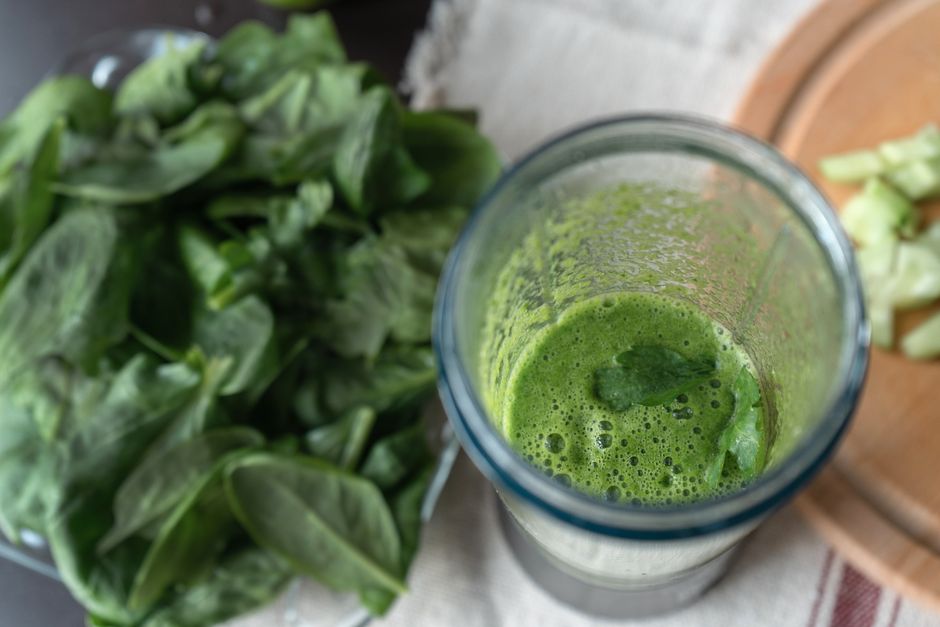
Spinach is very high in vitamin K. A single cup of raw spinach provides about 145 micrograms, which is more than enough to cover the daily needs of most adults. Cooked spinach is even more concentrated—half a cup delivers over 400 micrograms. For most people, this makes spinach one of the best dietary sources of vitamin K available. However, for anyone taking blood-thinning medication, this high concentration matters a great deal and requires careful attention.
Is Spinach High In Vitamin K How Much You Get
Yes, spinach is among the highest food sources of vitamin K1, also called phylloquinone. The amount you get depends entirely on how you eat it.
Raw spinach is mostly water and air. A standard one-cup serving of raw leaves weighs about 30 grams and contains roughly 145 micrograms of vitamin K. That single serving already exceeds the adequate intake of 120 micrograms recommended for adult men and 90 micrograms for adult women.
Cooked spinach changes the math. When spinach cooks, it wilts dramatically. Half a cup of boiled spinach contains about 430 to 470 micrograms of vitamin K. This is because you are fitting many more leaves into the same volume after the water cooks out. Eating a full cup of cooked spinach can push your intake toward 900 micrograms—roughly seven to ten times the daily recommendation.
Frozen spinach delivers similar amounts to fresh cooked spinach. Canned spinach is slightly lower but still substantial. The bottom line: any form of spinach is a significant source of vitamin K, and cooked forms are dramatically more concentrated per cup.
Why Vitamin K Matters For Your Body
Vitamin K is not a single substance. It refers to a family of compounds, and the type in spinach is vitamin K1, or phylloquinone. Your body uses it primarily for one critical job: activating proteins involved in blood clotting.
Without vitamin K, your blood cannot form clots properly. Several clotting factors in your liver depend on vitamin K to become functional. This is why vitamin K deficiency leads to easy bruising and prolonged bleeding.
Vitamin K also activates proteins that help regulate calcium in your blood vessels and bones. One protein, called osteocalcin, requires vitamin K to bind calcium into bone tissue. Another protein, matrix Gla protein, helps prevent calcium from depositing in artery walls. Research suggests adequate vitamin K intake supports bone density and vascular health, though the exact clinical benefits for preventing fractures or heart disease are still being studied.
Your body stores some vitamin K in the liver, but stores are small. You rely on regular dietary intake to maintain adequate levels. Unlike vitamins A, D, and E, which are fat-soluble and stored in larger amounts, vitamin K turns over quickly.
How Much Vitamin K Do You Actually Need
Official recommendations for vitamin K are set as adequate intake rather than a recommended daily allowance. This is because researchers have not yet established a precise requirement for every age group.
For adult men, the adequate intake is 120 micrograms per day. For adult women, it is 90 micrograms per day. During pregnancy and breastfeeding, the recommendation stays at 90 micrograms for most women, though some clinical guidelines suggest slightly higher intake during breastfeeding.
Children need less. Infants up to 6 months need only 2 micrograms daily, which is why breastfed newborns receive a vitamin K shot at birth—breast milk is low in vitamin K. Older children range from 30 to 60 micrograms depending on age.
These numbers are achievable with a single serving of spinach. One cup of raw spinach exceeds the daily target for both men and women. Half a cup of cooked spinach provides multiple days’ worth of vitamin K in one sitting.





Who Needs To Be Careful With Spinach And Vitamin K
People taking blood-thinning medications must pay close attention to vitamin K intake. The most common of these is warfarin, sold under the brand name Coumadin.
Warfarin works by blocking vitamin K from being reused in your body. This reduces the activity of clotting factors and prevents dangerous blood clots. If you suddenly increase your vitamin K intake, the warfarin becomes less effective. If you suddenly decrease it, the warfarin can become too strong, raising your bleeding risk.
The issue is not eating spinach at all. It is eating inconsistent amounts. A person who eats spinach daily can have stable, well-controlled blood clotting. Problems arise when someone eats no spinach for weeks, then adds a large cooked portion to a meal. That sudden spike can change how their medication works.
The clinical guidance is clear: keep your vitamin K intake consistent. If you take warfarin, do not drastically change how much spinach or other high-vitamin-K foods you eat without talking to your doctor. Your doctor can adjust your medication dose based on your typical diet and regular blood tests.
Newer blood thinners like apixaban and rivaroxaban do not interact with vitamin K the same way. These medications do not require dietary restrictions around vitamin K-rich foods. However, you should always confirm this with your pharmacist or doctor, because other medications and health conditions can change the picture.
Other Foods That Compete With Spinach For Vitamin K
Spinach is not the only high-vitamin-K vegetable. Several leafy greens actually contain more vitamin K per serving.
Kale and collard greens are comparable to spinach, with cooked servings delivering 400 to 500 micrograms. Turnip greens and mustard greens are similar. Parsley is extremely concentrated—just two tablespoons provide around 120 micrograms. Brussels sprouts, broccoli, and cabbage contain moderate amounts, roughly 75 to 160 micrograms per cooked cup.
Animal-based foods contain much less vitamin K. Liver, eggs, and some fermented dairy products like natto provide vitamin K2, a different form. But for vitamin K1, green leafy vegetables are the dominant source in most diets.
If you are managing warfarin therapy, you do not need to avoid all these foods. You need to keep your intake steady. The goal is consistency, not elimination.
Can You Eat Too Much Vitamin K From Spinach
For healthy people not on blood thinners, there is no established upper limit for vitamin K from food. Your body does not accumulate toxic levels of vitamin K1 the way it can with vitamins A or D. Excess vitamin K is broken down and excreted.
Eating very large amounts of spinach daily—such as multiple cups of cooked leaves—has not been shown to cause harm in healthy individuals. The more practical concern with heavy spinach consumption is oxalate. Spinach is high in oxalates, which can contribute to kidney stone formation in susceptible people. If you have a history of calcium oxalate kidney stones, you may want to moderate your spinach intake and vary your greens.
Vitamin K supplements are a different story. High-dose vitamin K supplements can interfere with warfarin therapy and should only be taken under medical supervision. Food sources of vitamin K are generally safe, but supplements are concentrated and can cause problems.
How To Get The Vitamin K From Spinach Effectively
Vitamin K is fat-soluble. This means your body absorbs it better when you eat it with some dietary fat. A splash of olive oil in your salad or a pat of butter on cooked spinach improves absorption.
Your gut also needs to be functioning well to absorb vitamin K. Conditions that affect fat absorption—such as celiac disease, Crohn’s disease, or gallbladder removal—can reduce how much vitamin K you absorb from food. People with these conditions may need higher intake or monitoring of vitamin K status.
Raw spinach delivers vitamin K, but cooked spinach delivers more per bite. If your goal is simply to meet your daily requirement, one cup of raw spinach is enough. If you want a concentrated boost, cooked spinach is the more efficient option.
Frequently Asked Questions
Is frozen spinach as high in vitamin K as fresh spinach?
Yes, frozen spinach contains similar amounts of vitamin K to fresh spinach. The freezing process does not significantly degrade vitamin K1.
Does cooking spinach destroy vitamin K?
No, cooking does not destroy vitamin K. In fact, cooked spinach has more vitamin K per cup because the leaves shrink and concentrate the nutrient.
Can I eat spinach if I take blood thinners?
Yes, but you must keep your intake consistent. Sudden large increases or decreases in spinach consumption can change how warfarin works, so talk to your doctor about your typical diet.
How much spinach equals the daily vitamin K requirement?
One cup of raw spinach provides about 145 micrograms, which exceeds the 90 to 120 microgram daily target for most adults. Half a cup of cooked spinach provides several times that amount.
