
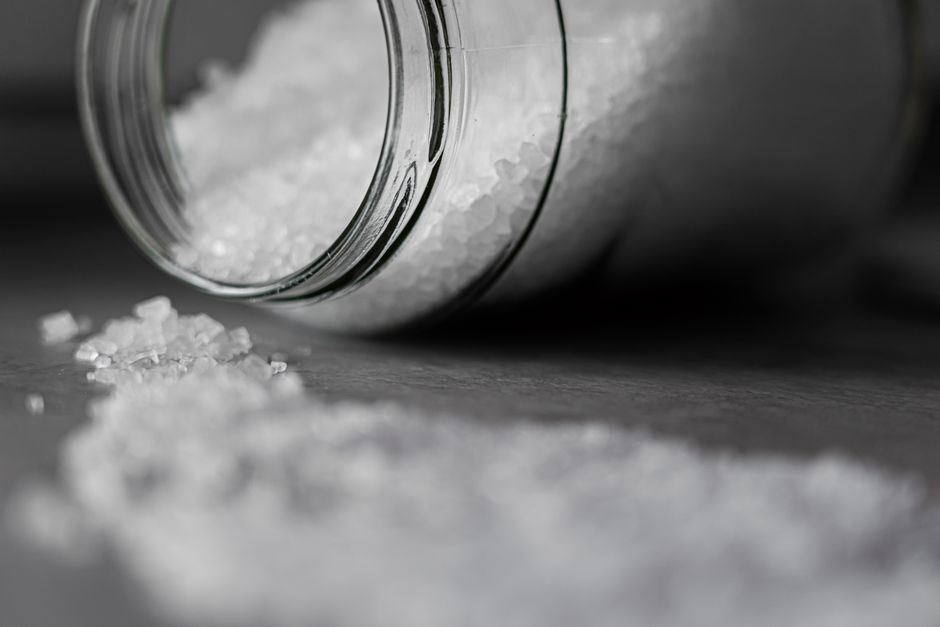
Sodium lauryl sulfate (SLS) is a cleansing agent found in most shampoos, and it is not inherently “bad” for your hair. It is a surfactant that effectively removes oil and dirt, but its strong cleansing action can strip natural oils, potentially leading to dryness and irritation for some people. The truth is that SLS is safe to use, but whether it is right for your hair depends on your scalp sensitivity and hair type.
What Exactly Is Sodium Lauryl Sulfate?
SLS is a chemical compound used as a detergent and foaming agent. It is what makes shampoo lather and bubble up when you massage it into your scalp. Without surfactants like SLS, water alone cannot effectively remove sebum (the natural oil your scalp produces) and product buildup.
The molecule has a hydrophilic (water-loving) head and a lipophilic (oil-loving) tail. This dual structure allows it to bind with both oil and water, lifting dirt and grease away from the hair shaft so they can be rinsed off. This is the same chemistry used in dish soap and laundry detergent, which is why SLS is sometimes discussed in the context of harsh cleaning.
There is a common misconception that SLS is a carcinogen or a dangerous toxin. Major health agencies have reviewed this compound extensively. The available evidence does not support the claim that SLS causes cancer when used in rinse-off cosmetics like shampoo.
How Does SLS Affect Different Hair Types?
SLS does not damage the hair follicle or the living part of the hair under the scalp. Hair that grows out of your head is technically dead protein fiber, so a chemical cannot “hurt” it in the way it might hurt living skin cells. However, SLS can affect the condition of your hair strands.
For people with oily scalps, SLS shampoos are often effective and well tolerated. The strong cleansing action removes excess oil and leaves the hair feeling clean and light. Many people in this category use SLS-based shampoos for years without any issues.
For people with dry hair, curly hair, or chemically treated hair, SLS can be problematic. The stripping action removes not just dirt but also the natural oils that keep hair flexible and smooth. Over time, this can make hair feel brittle, look dull, and become more prone to tangling and breakage.
Color-treated hair is a special case. SLS does not directly pull color molecules out of the hair shaft, but it can strip the protective oils and conditioners that keep color vibrant. This may cause color to fade faster than it would with a gentler cleanser.
Can SLS Irritate Your Scalp?
Scalp irritation is the main legitimate concern with SLS. Studies have shown that SLS can cause skin irritation, particularly at higher concentrations. For most people, the concentration in shampoo is low enough that they never notice any problem.
People with sensitive skin or conditions like seborrheic dermatitis, eczema, or contact dermatitis may react differently. For these individuals, SLS can cause redness, itching, flaking, or a burning sensation on the scalp. If you experience any of these symptoms after washing your hair, switching to an SLS-free shampoo is a reasonable step.
It is worth noting that irritation is not the same as an allergy. True allergic reactions to SLS are rare. What most people experience is an irritant reaction, meaning the chemical physically dries out or inflames the skin rather than triggering an immune response.

Is SLS Linked to Hair Loss?
No clinical evidence shows that SLS causes hair loss. This is a persistent internet myth that does not hold up under scrutiny. SLS does not penetrate the skin deeply enough to affect hair follicles, which are located in the dermis layer of the scalp.
What can happen is that SLS makes existing hair loss more noticeable. When hair becomes dry and brittle from over-cleansing, it can break off during brushing or washing. This breakage looks like hair loss, but it is not the same as losing hair from the root. The hair follicle itself remains healthy and continues to produce new hair.
If you are experiencing actual hair thinning or shedding, SLS is unlikely to be the cause. Hair loss is most commonly related to genetics, hormonal changes, stress, or nutritional deficiencies. These are the areas worth investigating with a healthcare provider rather than blaming your shampoo.
What About SLS-Free Shampoos?
The market for SLS-free shampoos has grown significantly. These products typically use alternative surfactants derived from plant sources, such as sodium coco-sulfate, cocamidopropyl betaine, or decyl glucoside. These ingredients cleanse more gently and produce less foam.
One honest trade-off is that SLS-free shampoos often feel different. They do not lather as much, which can make people feel like their hair is not getting clean. This is a perception issue rather than a cleaning issue. Lower foam does not mean lower efficacy.
Another adjustment is that some SLS-free shampoos may leave a slight residue, especially on fine hair. This can make hair feel heavy or look greasy sooner. Some people need to experiment with a few different brands before finding one that works for their specific hair type.
For most people, the choice between SLS and SLS-free shampoo comes down to personal preference rather than medical necessity. One is not objectively better than the other. What matters is how your hair and scalp respond.
How to Decide What Is Right for Your Hair
Start by looking at your current hair condition. If your hair feels clean, looks healthy, and your scalp is comfortable, there is no reason to change your shampoo. The presence of SLS in your product is not a problem that needs fixing.
If you have persistent dryness, itching, or flaking, try switching to an SLS-free shampoo for a few weeks. Give your scalp time to adjust. If symptoms improve, you have found your answer. If they do not, the issue may be something else entirely, such as a fungal condition or another ingredient in your hair care routine.
Pay attention to how often you wash your hair. People who wash daily may experience more dryness from SLS than people who wash two or three times per week. Reducing wash frequency can be an easier adjustment than changing products.
Conditioner matters too. Using a good conditioner after an SLS shampoo can replace some of the moisture that was stripped away. This is often enough to prevent any negative effects.
Frequently Asked Questions
Does sodium lauryl sulfate cause cancer?
No major health agency has found evidence that SLS causes cancer in humans when used in rinse-off products like shampoo.
Why does my shampoo burn my scalp?
SLS can irritate sensitive skin at certain concentrations, causing redness, itching, or burning.
Is SLS the same as sulfates in food?
No. Sulfates in food are different chemical compounds, and the SLS in shampoo does not enter your bloodstream in meaningful amounts.
Will switching to SLS-free shampoo stop my hair from falling out?
No. SLS does not cause hair loss from the follicle, so removing it will not change your shedding rate.
