
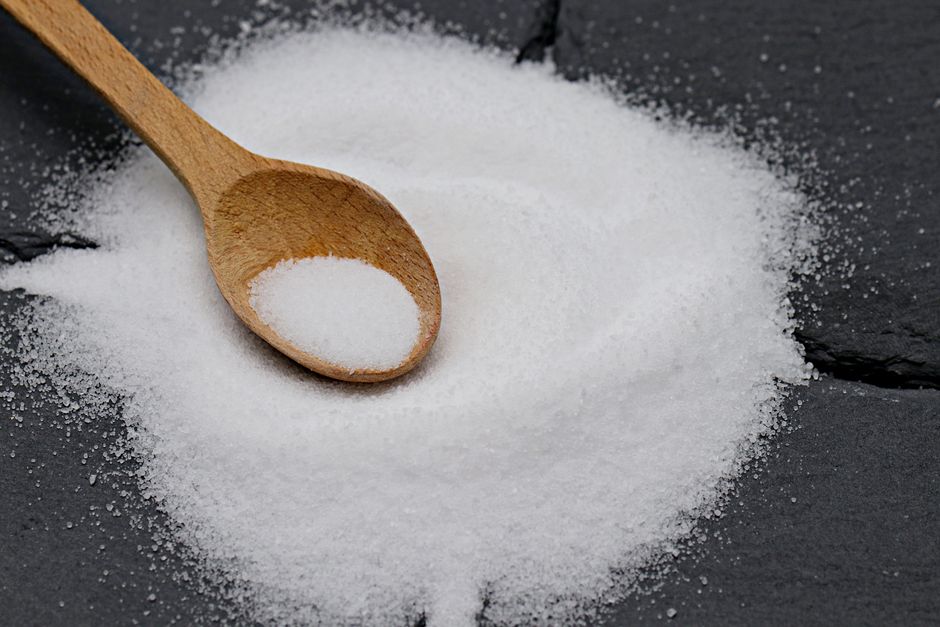
Sodium chloride is the chemical name for table salt, and normal saline is a sterile solution of sodium chloride and water. So yes, sodium chloride is the active ingredient in normal saline. When a doctor orders “normal saline” for an IV, you are receiving a specific concentration of salt and water that matches the saltiness of your blood. This precise balance is what makes it “normal” and safe to give directly into your bloodstream.
What Exactly Is Normal Saline?
Normal saline is a mixture of 0.9% sodium chloride dissolved in purified water. That means every 100 milliliters of the solution contains 0.9 grams of salt. This specific concentration matters because it matches the osmotic pressure of human blood plasma.
In simple terms, the salt level in normal saline is the same as the salt level in your blood. This is called an isotonic solution. Because it matches your body’s natural balance, the fluid stays in your bloodstream where it is needed instead of shifting into your cells or leaking out into your tissues.
When you see a bag of IV fluid labeled “0.9% Sodium Chloride,” you are looking at normal saline. The terms are used interchangeably in hospitals, clinics, and emergency rooms across the country.
Is Sodium Chloride Normal Saline or Just Salt Water?
Normal saline is not the same as the salt water you might make at home. The difference is precision and purity. Normal saline is manufactured under strict standards to contain exactly 0.9% sodium chloride with no bacteria, no contaminants, and no other additives.
Homemade salt water has no such guarantees. The salt concentration would be unpredictable. The water might not be sterile. Even if you measured carefully, there is no way to remove all microorganisms without proper medical equipment.
Normal saline is also different from seawater, which contains about 3.5% salt. Seawater is roughly four times saltier than normal saline and would be dangerous if given intravenously. The term “normal” refers to the solution matching human blood, not to being ordinary or everyday.
What Is Normal Saline Used For?
Normal saline is one of the most common fluids used in medicine. It serves several distinct purposes, each relying on the same basic property of matching your blood’s salt concentration.
Dehydration treatment. When a person cannot drink enough fluids due to illness, surgery, or severe vomiting, normal saline restores blood volume safely. The fluid stays in the bloodstream where it can circulate to vital organs.
Medication delivery. Many medications are mixed into normal saline and given through an IV. The saline acts as a carrier, delivering the drug directly into the bloodstream at a controlled rate.
Wound cleaning. Sterile normal saline is used to rinse cuts, scrapes, and surgical incisions. It cleans the area without damaging healthy tissue the way harsh antiseptics might.
Nasal irrigation. Over-the-counter saline nasal sprays and neti pot solutions use a similar salt-water formula to moisten nasal passages and flush out mucus. These products are not identical to IV normal saline but work on the same principle of salt and water in balanced proportion.





How Does Normal Saline Work in the Body?
The body relies on a careful balance of salt and water in every cell and tissue. Sodium is the main positively charged particle outside your cells. It helps control how much water stays in your bloodstream and how much moves into your tissues.
When normal saline enters a vein, it does not change the salt balance in your body because it already matches your blood. The fluid expands your blood volume, which helps maintain blood pressure and ensures organs receive enough oxygen and nutrients.
Your kidneys then sort out what to keep and what to remove. If you need more fluid, your kidneys hold onto the water. If you have enough, they filter the excess out as urine. This is why normal saline is considered safe for most people — the body has natural systems to manage the extra salt and water.
There is a limit to this system. Giving too much normal saline too quickly can overload the heart and lungs, especially in people with kidney disease or heart failure. Medical staff monitor IV rates carefully for this reason.
Are There Different Types of Saline Solutions?
Normal saline is one of several salt-water solutions used in medicine. The differences come down to salt concentration and what else is in the fluid.
- Normal saline (0.9%): Matches blood salt levels. Used for most general fluid replacement and medication delivery.
- Half-normal saline (0.45%): Contains half the salt of normal saline. Used when a patient needs more water than salt, such as in certain types of dehydration.
- Lactated Ringer’s solution: Contains sodium chloride plus potassium, calcium, and lactate. This more closely matches blood composition but is not the same as normal saline.
- Hypertonic saline (3% or higher): Contains much more salt than blood. Used in specific emergency situations to draw fluid out of swollen tissues, particularly in the brain.
Each solution serves a different medical purpose. The choice depends on the patient’s condition, blood test results, and what the doctor is trying to achieve. Normal saline is the default choice when no specific fluid imbalance is present.
Is Normal Saline Safe for Everyone?
Normal saline is generally safe, but it is not risk-free for every person in every situation. The body can usually handle the extra salt and water, but certain conditions make this harder.
People with kidney disease may not filter excess salt effectively. People with heart failure may struggle to pump the extra fluid. People with high blood pressure may be sensitive to the additional sodium. In these cases, doctors may choose a different fluid or give normal saline more slowly.
Receiving large volumes of normal saline can cause a condition called hyperchloremic acidosis, where the blood becomes slightly more acidic. Research has examined whether this matters for patient outcomes, and the evidence is mixed. Some studies suggest it may be relevant in critically ill patients, while others find no significant difference.
For the average healthy person receiving a standard IV, these risks are minimal. The medical team monitors fluid balance and adjusts treatment as needed. Normal saline has been used safely for over a century and remains a standard tool in emergency medicine worldwide.
Can You Make Normal Saline at Home?
Making a salt-water solution at home for nasal rinsing is possible, but it is not the same as medical-grade normal saline. The American Rhinologic Society has published guidance suggesting a mixture of about half a teaspoon of non-iodized salt and half a teaspoon of baking soda in 8 ounces of distilled or previously boiled water for nasal irrigation.
This homemade solution is only for rinsing the nose. It is not sterile and must never be used in the eyes, on open wounds, or given intravenously. Even for nasal use, the water must be distilled, sterile, or boiled first to remove microorganisms that could cause serious infections.
No homemade solution can replicate the sterility and exact concentration of pharmaceutical normal saline. For any medical purpose beyond simple nasal rinsing, use commercially prepared products or seek medical care.
What Happens If You Drink Normal Saline?
Drinking normal saline is not harmful in small amounts, but it serves no medical purpose. The salt concentration is about the same as many sports drinks. Your digestive system absorbs it, and your kidneys process the salt and water normally.
Drinking large amounts of any salty solution can cause nausea or vomiting because the stomach is sensitive to high salt concentrations. Normal saline is designed for intravenous use, not oral consumption. If you need oral rehydration, products like oral rehydration salts mixed with water follow a different formula designed for how the gut absorbs fluids.
There is no benefit to drinking IV normal saline. It does not hydrate you better than plain water, and it adds unnecessary sodium to your diet.
Why Does “Normal” Matter in Normal Saline?
The word “normal” in normal saline refers to the solution being isotonic relative to human blood. Isotonic means the concentration of dissolved particles is the same inside and outside your cells. This prevents water from rushing into cells or out of them.
If a solution is hypotonic — meaning less salty than blood — water moves into cells and can cause them to swell. If a solution is hypertonic — meaning saltier than blood — water moves out of cells and can cause them to shrink. Both situations are dangerous if they happen on a large scale.
Normal saline avoids both problems. Because it matches blood, it can be infused safely without dramatically shifting water in or out of cells. This is why 0.9% sodium chloride became the standard IV fluid and why it remains one of the most prescribed medical solutions in the world.
Frequently Asked Questions
Is sodium chloride the same as normal saline?
Yes, sodium chloride is the active ingredient in normal saline. Normal saline is a sterile 0.9% solution of sodium chloride in water.
Why is normal saline called normal?
It is called normal because its salt concentration matches the salt level of human blood. This makes it isotonic, meaning it does not cause fluid to shift into or out of your cells.
Can I use table salt to make saline solution at home?
You can make a salt-water rinse for your nose using non-iodized salt and distilled or boiled water, but it is not sterile. Never use homemade salt water in your eyes, on wounds, or in an IV.
Is normal saline safe to drink?
Drinking small amounts is not harmful, but it provides no benefit over plain water. Normal saline is designed for intravenous use, not oral consumption.
