

Social anxiety disorder is not considered curable in the way a bacterial infection is cured with antibiotics. Instead, the goal of treatment is remission — a sustained reduction in symptoms that allows a person to live and function without anxiety dominating their daily life. Remission is achievable for many people. Recovery, in the sense of permanently erasing the underlying tendency toward anxiety, is a different and more complicated idea.
Is Social Anxiety Curable Remission Vs Recovery?
The distinction between remission and recovery matters because it shapes what treatment actually aims to do. Remission means symptoms fall below a clinical threshold. Recovery implies something broader — a return to full functioning and a lasting end to the condition.
For social anxiety disorder, remission is a realistic and well-documented outcome. Cognitive behavioral therapy and certain medications have both been shown in clinical trials to reduce symptoms substantially in a meaningful share of people. Recovery, if defined as the complete and permanent absence of any anxiety in social situations, is not something current treatments reliably produce.
This is not a pessimistic framing. It is an honest one. Many people who complete treatment for social anxiety go on to live full, socially engaged lives. They may still feel nervous before a presentation or a first date. The difference is that the anxiety no longer stops them or controls their choices.
What Does Remission Actually Mean for Social Anxiety?
Remission is a clinical term. It refers to a period during which a person no longer meets the diagnostic criteria for social anxiety disorder. The symptoms have decreased enough that they are no longer causing significant distress or impairment.
This does not mean zero anxiety. Everyone experiences social nervousness sometimes. Remission means the anxiety has dropped below the level where it disrupts work, relationships, or daily functioning.
Clinicians often look at several markers when assessing remission:
- The person can enter social situations without intense fear or avoidance
- Physical symptoms like blushing, sweating, or trembling are manageable or absent
- The person no longer avoids situations that matter to them
- Distress about social situations is mild or occasional rather than constant
Remission can be partial or full. Partial remission means some symptoms remain but the person no longer meets the full criteria for the disorder. Full remission means the symptoms have largely resolved.
How Is Remission Different From Recovery?
Recovery is a word that gets used in different ways. In mental health, it sometimes refers to a personal process of building a meaningful life, even with ongoing symptoms. In other contexts, it implies the condition is gone for good.
For social anxiety, the evidence supports remission more strongly than permanent recovery. Treatment studies typically measure symptom reduction over months, not decades. Long-term follow-up data exist but are more limited.
What many people experience after successful treatment is something in between. They function well. They may still have a temperament that leans toward social sensitivity. Stressful periods might bring some symptoms back. This pattern is common across anxiety disorders.
Thinking of it as managing a tendency rather than erasing it is often more accurate and more useful. It also reduces the pressure to be “completely cured,” which can itself become a source of anxiety.


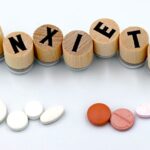


What Treatments Have Evidence for Reducing Social Anxiety Symptoms?
Cognitive behavioral therapy has the strongest evidence base for social anxiety disorder. It focuses on identifying and changing the thought patterns and behaviors that maintain anxiety. Exposure therapy, a component of CBT, involves gradually facing feared social situations rather than avoiding them.
Selective serotonin reuptake inhibitors are also well studied for social anxiety. Several SSRIs have been shown in randomized controlled trials to reduce symptoms. They are often used alongside therapy or when therapy alone is not enough.
Other approaches with some evidence include:
- Acceptance and commitment therapy, which focuses on changing one’s relationship to anxious thoughts rather than eliminating them
- Beta-blockers, sometimes prescribed for performance-specific anxiety but not typically for generalized social anxiety
- Benzodiazepines, which can reduce anxiety short-term but carry dependence risks and are generally not recommended for long-term use
No single treatment works for everyone. Response rates vary, and some people need to try more than one approach. Combining therapy and medication is common and supported by evidence for many anxiety disorders.
What Does Long-Term Outcome Look Like?
Long-term studies of anxiety disorders suggest that many people experience significant improvement, but relapse is possible. This is not unique to social anxiety. It is true for depression, generalized anxiety, and other conditions.
Factors that seem to support better long-term outcomes include completing a full course of treatment, learning skills that can be used independently, and having social support. Ongoing stress or major life changes can trigger a return of symptoms.
Some people find that a brief return to therapy or a medication adjustment helps if symptoms flare. This is not a sign of failure. It is a normal part of managing a chronic condition.
The honest picture is this: social anxiety often improves substantially with treatment. For many, it becomes a manageable part of life rather than a defining limitation. For some, symptoms may return during difficult periods. The goal is not perfection. It is functioning and quality of life.
Why the Cure Question Matters
People ask whether social anxiety is curable because they want hope. They want to know if the fear will ever fully go away. That is a reasonable thing to want.
The answer is not a simple yes or no. Remission is achievable. Many people reach a point where social anxiety no longer meets the threshold for a diagnosis. They work, date, make friends, and give presentations. They may still feel nervous sometimes, but the anxiety does not run their life.
If recovery means living well and not being defined by anxiety, that is a realistic goal. If recovery means never feeling anxious in social situations again, that is not something treatment can promise. No treatment can.
What treatment can do is reduce symptoms, build skills, and improve functioning. That is a meaningful outcome. For most people, it is enough.
When Should Someone Seek Professional Help?
Social anxiety becomes a clinical concern when it causes significant distress or interferes with daily life. Avoiding work events, not speaking up in meetings, or turning down social invitations because of fear are signs that it may be time to talk to a professional.
A doctor or mental health clinician can assess symptoms and discuss treatment options. Therapy and medication are both reasonable starting points. The choice depends on severity, personal preference, and access to care.
It is also worth noting that social anxiety often occurs alongside other conditions like depression or substance use. A thorough evaluation can help identify what is going on and guide treatment.
Frequently Asked Questions
Can social anxiety go away completely?
Some people experience full remission, meaning they no longer meet the diagnostic criteria for social anxiety disorder. However, complete and permanent elimination of any social nervousness is not something treatment reliably produces.
How long does it take for social anxiety to improve with treatment?
Many people notice improvement within a few weeks to a few months of starting therapy or medication. Full remission may take longer and varies from person to person.
What is the difference between remission and recovery in mental health?
Remission means symptoms have decreased below the clinical threshold for a diagnosis. Recovery often refers to a broader process of building a meaningful life, which may include ongoing management of symptoms.
Can social anxiety come back after treatment?
Yes, symptoms can return, especially during periods of high stress or major life changes. A return of symptoms does not mean treatment failed — it may mean additional support is helpful.
