
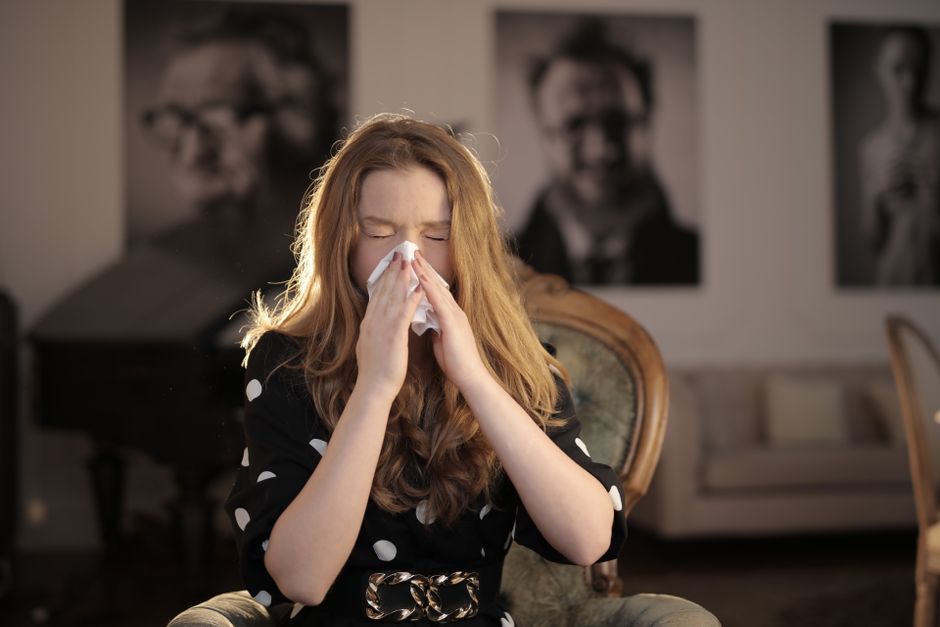
Sneezing is common with the common cold and uncommon with influenza. That single difference is one of the more useful clues when you are trying to tell the two apart, though it is far from a perfect test. A cold is an infection of the upper airways, and sneezing is one of its signature reflexes. Flu tends to hit deeper and harder, and its hallmark is sudden fever, body aches, and exhaustion — not fits of sneezing.
Why Does Sneezing Happen When You Have a Cold?
A sneeze is a reflex. Something irritates the lining of your nose, and your body responds by forcing air out at high speed to clear it.
Cold viruses infect the cells lining your nasal passages. That infection triggers inflammation, and inflamed tissue produces more mucus and becomes more sensitive. The result is a nose that reacts to things it would normally ignore. This is why sneezing clusters around the early and middle stages of a cold, when nasal inflammation is at its peak.
The reflex itself is protective. Air expelled during a sneeze can travel several feet, carrying virus particles with it. That is part of how colds spread so efficiently between people in close contact.
Does the Flu Cause Sneezing?
Influenza can cause sneezing, but it is not a leading symptom. When it happens, it tends to be mild and brief.
The flu virus also infects the respiratory tract, so nasal irritation is possible. But influenza is a systemic illness — it affects the whole body, not just the nose and throat. That is the core difference. A cold stays mostly in your head. The flu makes you feel like you have been hit by something.
This is why someone with influenza often does not sneeze much at all. Their dominant experience is fever, chills, headache, and muscle aches. If sneezing is your main complaint and you otherwise feel functional, a cold is the more likely explanation.
How Do You Tell a Cold From the Flu?
The pattern of symptoms matters more than any single one. Timing and severity are the real giveaways.
Colds build gradually. You might notice a scratchy throat one day, sneezing and a runny nose the next, and feel mostly yourself within a week or so. Fever is uncommon in adults with a cold, though children sometimes run a low-grade one.
Flu arrives fast. Many people can name the hour they started feeling sick. Fever, body aches, fatigue, and a dry cough show up within a day or two of exposure. Symptoms usually peak within the first few days.
An important note: “stomach flu” is not influenza. That term describes viral gastroenteritis, which causes vomiting and diarrhea and has nothing to do with the influenza virus. It also does not typically cause sneezing.
Comparing Common Symptoms
| Symptom | Cold | Flu |
|---|---|---|
| Sneezing | Common | Uncommon |
| Runny or stuffy nose | Common | Sometimes |
| Fever | Rare in adults | Common |
| Body aches | Mild, if any | Common and often severe |
| Fatigue | Mild | Often pronounced |
| Onset | Gradual | Sudden |
| Headache | Uncommon | Common |
This table reflects general patterns, not rules. Real infections vary, and some people get mild flu or a cold that feels worse than usual.
Can Sneezing Alone Tell You Which One You Have?
No. Sneezing is a clue, not a diagnosis.
Many things cause sneezing besides cold viruses — allergies, irritants like smoke or strong odors, dry air, and other respiratory infections. Allergic rhinitis, for example, produces sneezing, itching, and a runny nose without any infection at all. If your sneezing comes in bursts, itches, and clears up with an antihistamine, allergies are a strong candidate.
COVID-19 complicates things further. It can cause sneezing, sore throat, and congestion that look identical to a cold, especially in people who are vaccinated or have had it before. Some people with COVID-19 also lose their sense of smell or taste, but that is not universal and is less common with current variants than it was early in the pandemic.
If you genuinely need to know which virus you have — for example, because you are high risk and your doctor might prescribe an antiviral — testing is the only reliable way. Home tests for flu and COVID-19 exist, and a doctor can test for both.
When Should Sneezing Worry You?
Sneezing itself is rarely a sign of anything serious. The symptoms around it matter more.
Seek medical care if you have trouble breathing, chest pain, confusion, a fever that will not come down, or symptoms that improve and then suddenly get worse. These can signal pneumonia or another complication, and they apply to both colds and flu.
Certain groups should be quicker to check in with a doctor: adults over 65, pregnant women, young children, and anyone with conditions like asthma, diabetes, heart disease, or a weakened immune system. For these groups, influenza carries a higher risk of complications, and early treatment can matter.
One clarification worth making: a sneeze is not a sign that you are “getting sicker.” It is a reflex, not a severity meter. People with mild colds can sneeze constantly, while someone with a serious flu may barely sneeze at all.
Can You Stop a Cold or Flu From Spreading?
You can reduce the odds, though neither virus is fully preventable through behavior alone.
Both colds and flu spread mainly through respiratory droplets and contaminated surfaces. Practical steps that public health guidance consistently supports include:
- Washing hands often with soap and water for at least 20 seconds
- Avoiding touching your eyes, nose, and mouth with unwashed hands
- Covering coughs and sneezes with a tissue or your elbow
- Staying home when you are sick
- Avoiding close contact with people who are ill
Annual influenza vaccination is the primary way to reduce flu risk. The vaccine does not prevent every case, and its effectiveness varies from season to season, but it lowers the chance of severe illness and complications. There is no vaccine for the common cold, because hundreds of different viruses cause it.
What Actually Helps You Feel Better?
There is no cure for either a cold or the flu in most healthy people. Treatment focuses on managing symptoms while your immune system clears the infection.
Rest and fluids are the standard advice. For congestion and sneezing, saline nasal rinses and steam may help some people, though the evidence for steam is limited. Over-the-counter antihistamines and decongestants can reduce sneezing and a runny nose, but they do not shorten the illness. They also have side effects and are not appropriate for everyone, so check with a pharmacist or doctor.
For influenza specifically, prescription antiviral medications can shorten the illness and reduce complications, but they work best when started within the first day or two of symptoms. They are not recommended for everyone — typically they are reserved for people at higher risk of complications. This is one area where seeing a doctor early genuinely changes the outcome.
Antibiotics do not help colds or flu. Both are caused by viruses, and antibiotics only treat bacterial infections. Taking them unnecessarily carries its own risks.
How Long Does Each One Last?
Colds usually improve within about a week, though a lingering cough can last longer. Flu symptoms typically ease over several days to about a week, but fatigue can persist for a week or more after other symptoms fade.
If symptoms last much longer than expected, get significantly worse, or keep returning, that is a reason to see a doctor. It can point to a secondary infection like sinusitis or pneumonia, which needs different treatment.
Frequently Asked Questions
Is sneezing a symptom of the flu or just a cold?
Sneezing is common with a cold and uncommon with the flu. It can happen with influenza, but it is rarely the main symptom.
Can you have the flu without sneezing?
Yes. Most people with influenza do not sneeze much, and their main symptoms are fever, body aches, and fatigue.
Does sneezing mean you have a cold and not COVID-19?
No. Sneezing can happen with COVID-19, allergies, and other viruses, so it cannot rule any of them out. Testing is the only way to know for sure.
How long does a cold with sneezing usually last?
Most colds improve within about a week, though a cough can linger longer. Symptoms that get worse or last much longer are worth checking with a doctor.
