
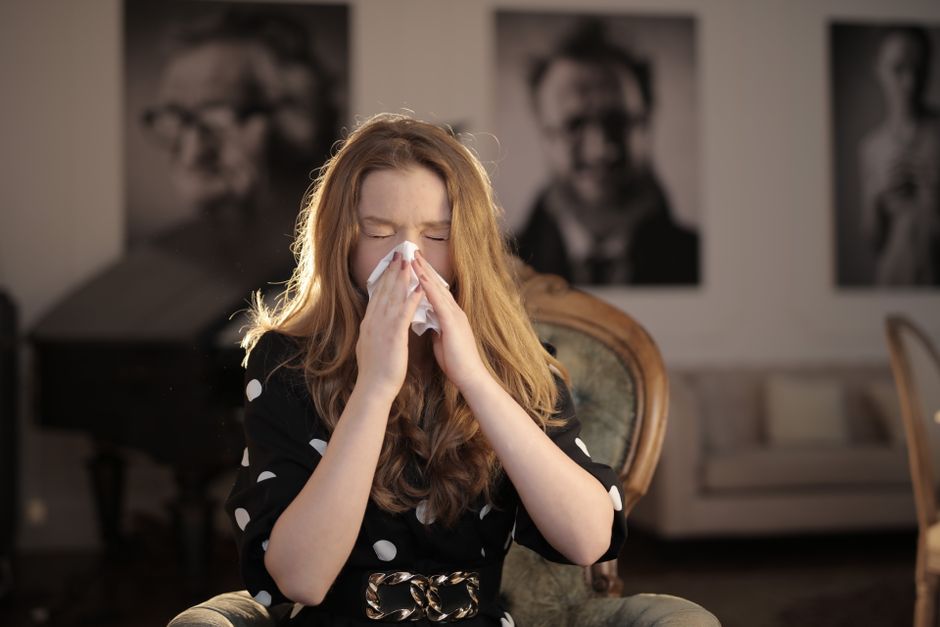
Sneezing can be a symptom of COVID-19, but it is not one of the most common or reliable signs. The virus can cause sneezing in some people, especially with the Omicron variants, but a sudden onset of sneezing alone is more likely linked to allergies or the common cold. To recognize COVID-19 accurately, you need to look at the full picture of symptoms, not just one isolated action like a sneeze.
Is Sneezing A Symptom Of Covid?
Yes, sneezing is a recognized symptom of COVID-19, but it is a less common one. The official symptom lists from health authorities have included sneezing at various points, particularly as new variants have emerged. However, it is rarely the only symptom a person experiences.
If you are only sneezing and have no other complaints, the likelihood of it being COVID-19 is lower than it being seasonal allergies or a mild cold. The presence of sneezing becomes more relevant when it is paired with other hallmark symptoms like a fever, cough, or loss of taste and smell.
How Common Is Sneezing With COVID-19?
Research indicates that sneezing occurs in a minority of COVID-19 cases. The frequency has varied with different variants. Some studies suggest that with the Omicron variant, sneezing became a more frequently reported symptom compared to earlier strains like Delta, but it still did not top the list of most common signs.
To put it in perspective, symptoms like a runny nose, sore throat, and headache are reported much more often than sneezing alone. Data from the ZOE Health Study, which tracks COVID-19 symptoms in the UK, has consistently placed sneezing lower on the list of common symptoms. It is a possible symptom, but not a primary indicator.
COVID-19 vs. Allergies: How to Tell the Difference
The confusion between COVID-19 and allergies is understandable because both can cause sneezing and a runny nose. The key difference lies in the accompanying symptoms and the timeline.
Allergies typically come with itchy, watery eyes and sneezing that happens in fits. They do not cause a fever. COVID-19, on the other hand, often brings systemic symptoms such as fatigue, body aches, and fever. If you have sneezing along with a fever or a new loss of taste or smell, COVID-19 is far more likely than allergies.
Timing also matters. Allergies follow a seasonal pattern and flare up when you are exposed to triggers like pollen or dust. COVID-19 symptoms usually appear 2 to 14 days after exposure to the virus, regardless of the season.





COVID-19 vs. The Common Cold
The common cold is the hardest illness to distinguish from a mild case of COVID-19. Both are viral infections that attack the upper respiratory tract, and both can cause sneezing, a runny nose, and a sore throat.
One distinguishing factor is the incubation period. Cold symptoms typically appear 1 to 3 days after exposure, while COVID-19 symptoms generally take longer to show up. Another difference is the severity of systemic symptoms. Colds rarely cause significant body aches or high fevers, whereas COVID-19 frequently does.
Because the symptoms overlap so heavily, a test is the only reliable way to know which virus you have. If you are sick and unsure, assume it could be COVID-19 and isolate until you get a negative test result.
When Does Sneezing Appear in the Timeline of COVID-19?
Sneezing usually appears early in the course of a COVID-19 infection, if it appears at all. It tends to occur in the first few days, often alongside other mild upper respiratory symptoms like a sore throat or nasal congestion.
For most people, sneezing is not a late-stage symptom. If you have been sick for over a week and suddenly develop sneezing, it is less likely to be related to the initial COVID-19 infection. It could be a secondary issue or a different illness altogether.
What To Do If You Are Sneezing and Worried About COVID-19
If you have sneezing combined with any of the more specific COVID-19 symptoms, you should get tested. The most reliable tests are PCR tests, which are highly accurate, or rapid antigen tests, which are faster but can sometimes give false negatives early in the infection.
While you wait for results, take precautions. Wear a mask around others, keep your distance, and wash your hands frequently. These steps protect vulnerable people even if your sneezing turns out to be a common cold.
If you have a fever, difficulty breathing, or chest pain, seek medical care promptly. Those are signs of a more serious illness that requires professional evaluation, regardless of whether you test positive for COVID-19.
Other Causes of Sneezing
Sneezing is a natural reflex that clears the nose of irritants. Beyond COVID-19 and colds, there are many everyday triggers.
- Allergens: Pollen, dust mites, pet dander, and mold are common triggers for allergic sneezing.
- Irritants: Smoke, strong perfumes, and air pollution can cause sneezing in sensitive individuals.
- Temperature changes: Moving from a cold environment to a warm one, or vice versa, can trigger a sneeze.
- Bright light: Some people sneeze when they look at bright light, a condition called photic sneeze reflex.
These causes do not come with fever, body aches, or fatigue. If your sneezing is isolated and you feel otherwise well, a non-infectious cause is more likely.
Does a COVID-19 Test Detect Sneezing?
No test can detect a sneeze. Tests detect the presence of the virus itself, not individual symptoms. A PCR test looks for the virus’s genetic material, while an antigen test looks for specific proteins on the virus’s surface.
You can sneeze for a hundred reasons and test negative for COVID-19. Conversely, you can have COVID-19 and never sneeze once. The test is the only objective measure of whether the virus is in your body.
How Long Does Sneezing Last with COVID-19?
When sneezing is part of a COVID-19 infection, it generally lasts as long as the other upper respiratory symptoms do. For most people with mild cases, this means sneezing resolves within a week.
For some, symptoms can linger for several weeks, a condition often called long COVID. However, persistent sneezing alone is not a recognized hallmark of long COVID. If sneezing continues long after other symptoms have cleared, an allergy or another environmental trigger is a more likely explanation.
Frequently Asked Questions
Is sneezing a symptom of the Omicron variant?
Yes, sneezing has been reported more frequently with Omicron variants than with earlier strains. It is still usually accompanied by other symptoms like a sore throat or runny nose.
Can you have COVID-19 with only sneezing and no fever?
Yes, it is possible to have a mild COVID-19 infection without a fever. However, sneezing as the only symptom is uncommon, and other causes like allergies are more likely.
Should I get tested for COVID-19 if I am only sneezing?
If you have been exposed to someone with COVID-19, you should get tested even if you only have mild symptoms like sneezing. If you have no known exposure and feel otherwise fine, testing is less urgent but still reasonable if you plan to be around vulnerable people.
How long after exposure to COVID-19 do symptoms like sneezing start?
Symptoms usually begin 2 to 14 days after exposure, with most people developing symptoms around day 5. The exact timing varies from person to person.
