
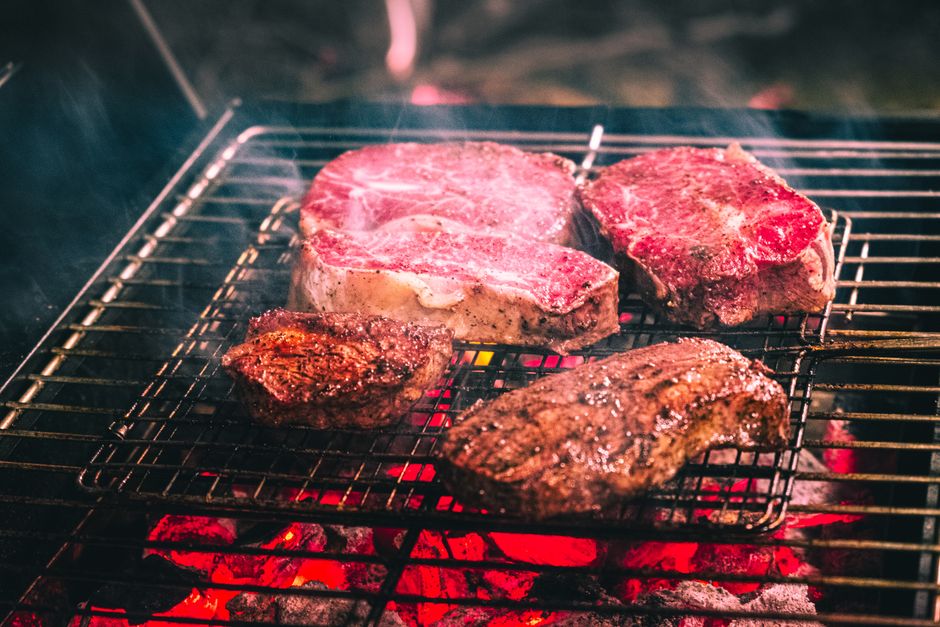
Sirloin steak is a healthy choice for most people when eaten in reasonable portions. It is one of the leaner cuts of beef, providing a strong dose of protein, iron, and B vitamins without the excessive saturated fat found in fattier cuts like ribeye or T-bone. The key to making sirloin part of a healthy diet is portion control and preparation method.
What Makes Sirloin Steak Different From Other Cuts?
Beef cuts come from different parts of the cow, and that matters for nutrition. Sirloin comes from the rear of the animal, near the hip. This area gets more exercise than the rib or loin sections, which means less fat marbled through the meat.
The USDA categorizes sirloin as a lean cut of beef. To qualify as lean, a 3.5-ounce serving must contain less than 10 grams of total fat, 4.5 grams or less of saturated fat, and fewer than 95 milligrams of cholesterol. Sirloin typically meets these standards. By comparison, a ribeye steak contains roughly double the fat and saturated fat per serving.
There are a few different types of sirloin you might see at the store. Top sirloin is the most common and generally the leanest. Bottom sirloin and tri-tip come from the same general area but can have slightly more fat. When in doubt, check the label or ask your butcher for top sirloin.
Nutritional Profile of Sirloin Steak
A standard 3-ounce serving of cooked sirloin steak provides about 150-170 calories. This is a modest calorie load compared to other protein sources like chicken thighs or pork chops.
Protein is where sirloin shines. That same 3-ounce serving delivers roughly 25 grams of complete protein. Complete protein means it contains all nine essential amino acids your body cannot make on its own. For context, the average adult needs about 0.8 grams of protein per kilogram of body weight daily, though active individuals often need more.
Iron is another major benefit. Red meat contains heme iron, which your body absorbs much more efficiently than the non-heme iron found in plants. This matters for anyone at risk of iron deficiency, including women of childbearing age and endurance athletes. A 3-ounce serving of sirloin provides about 15% of the daily recommended intake for iron.
Sirloin also delivers significant amounts of zinc, phosphorus, and B vitamins, particularly B12 and niacin. Vitamin B12 is essential for nerve function and red blood cell production, and it is almost exclusively found in animal products.
Is the Fat in Sirloin Steak Bad for You?
Saturated fat has been a controversial topic in nutrition for years. Current evidence shows the relationship between saturated fat and heart disease is more complex than once believed. Some research suggests that replacing saturated fat with refined carbohydrates does not reduce heart disease risk, while replacing it with polyunsaturated fats does.
The practical takeaway is this: sirloin contains about 4-5 grams of saturated fat per 3-ounce serving. The American Heart Association recommends limiting saturated fat to about 13 grams per day on a 2,000-calorie diet. One serving of sirloin fits within that limit for most people.
Sirloin also contains some monounsaturated fat, the same type found in olive oil and avocados. While not as high in monounsaturated fat as those plant sources, it is not a purely saturated fat food. The fat profile of sirloin is reasonably balanced compared to other beef cuts.
Trim visible fat before cooking to reduce the saturated fat content further. This simple step can lower the fat content noticeably without changing the eating experience much.



How Cooking Method Changes the Health Impact
How you cook sirloin matters as much as the cut itself. Grilling and broiling are generally the healthiest options because they allow fat to drip away from the meat. Pan-searing with a small amount of oil is also fine. Frying in butter or heavy oil adds unnecessary calories and fat.
There is a separate concern with high-heat cooking methods. Grilling, broiling, and pan-searing at high temperatures can create compounds called heterocyclic amines (HCAs) and polycyclic aromatic hydrocarbons (PAHs). These compounds form when meat is cooked at high temperatures or over an open flame, and some studies have linked high intake to increased cancer risk.
This does not mean you should never grill a steak. It means you should avoid charring the meat. Cook until the exterior is browned but not blackened. Marinating the steak before grilling has been shown in some research to reduce HCA formation, likely because the marinade creates a barrier between the meat and the heat.
Rare and medium-rare cooking is also worth considering. Cooking meat to well-done at high temperatures produces more HCAs than cooking to medium-rare. The trade-off is that undercooked beef carries a risk of foodborne illness. The USDA recommends cooking steaks to an internal temperature of 145°F with a three-minute rest time. If you prefer your steak less done, understand that you are accepting some additional risk in exchange for fewer potentially harmful compounds.
How Much Sirloin Steak Should You Eat?
Portion size is the single biggest factor determining whether sirloin is healthy for you. A healthy serving is about 3 ounces, which is roughly the size of a deck of cards or the palm of your hand. Many restaurant steaks are 8-12 ounces, which is two to four servings in a single plate.
Eating a large steak occasionally is not a health crisis. But if you eat steak regularly, portion control matters. The Dietary Guidelines for Americans recommend a total of about 5.5 ounces of protein foods per day for a 2,000-calorie diet. That includes all protein sources, not just meat.
For most people, eating sirloin two to three times per week in appropriate portions fits comfortably within a balanced diet. If you have existing heart disease, high cholesterol, or a family history of these conditions, talk to your doctor about how much red meat is appropriate for you.
How Sirloin Compares to Other Protein Sources
Comparing sirloin to other proteins helps put its nutrition in context. Here is how a 3-ounce cooked serving stacks up against common alternatives.
- Chicken breast (skinless): About 140 calories, 26 grams protein, 3 grams fat. Lower in iron and B12 than beef.
- Pork tenderloin: About 120 calories, 22 grams protein, 3 grams fat. Similar nutrient profile to sirloin but less iron.
- Salmon: About 175 calories, 19 grams protein, 10 grams fat. Higher in omega-3 fatty acids, which sirloin lacks.
- Ground beef (85% lean): About 215 calories, 22 grams protein, 13 grams fat. Higher in fat than sirloin.
- Tofu: About 85 calories, 9 grams protein, 5 grams fat. Much lower in protein and iron than beef.
The main nutritional advantage sirloin has over chicken and fish is iron and zinc content. The main disadvantage is the saturated fat content, though it is modest compared to other beef cuts. For people who eat a varied diet, sirloin can be part of that variety without concern.
What About Grass-Fed vs. Grain-Fed Sirloin?
Grass-fed beef has gained popularity in recent years, and the nutritional differences are real but modest. Research consistently shows grass-fed beef contains more omega-3 fatty acids and conjugated linoleic acid (CLA) than grain-fed beef. It also tends to be slightly leaner overall.
The caveat is the absolute amounts involved. Grass-fed beef still contains far less omega-3 than fatty fish like salmon. The difference between grass-fed and grain-fed sirloin is small enough that it should not be the deciding factor in your choice. Cost, taste preference, and animal welfare considerations are all legitimate reasons to choose one over the other, but the health gap is not dramatic.
One thing to note: the term “grass-fed” is not strictly regulated. If this matters to you, look for certification from a recognized program like the American Grassfed Association rather than relying on the label alone.
Common Myths About Steak and Health
Several persistent myths about steak deserve clarification. The idea that red meat causes inflammation is one of them. Research on this is mixed. Some studies suggest that saturated fat can promote inflammatory markers, but other research shows that lean red meat does not increase inflammation in healthy adults. The evidence does not support the claim that eating sirloin steak will give you chronic inflammation.
Another myth is that all red meat increases colorectal cancer risk equally. The World Health Organization classifies processed meats as a Group 1 carcinogen and red meat as a Group 2A probable carcinogen. But the increased risk associated with unprocessed red meat is small, and the studies showing this effect often involve people eating very large amounts of meat regularly. Eating a 3-ounce sirloin steak a few times a week is a different situation than eating a pound of bacon daily.
There is also a misconception that you need to eat meat to get enough protein. You do not. Plant proteins can meet your needs if you eat a variety of sources. But sirloin is an efficient way to get high-quality protein, iron, and B12 in one food, which is why it remains a reasonable choice for many people.
Who Should Be Cautious With Sirloin Steak?
Most people can include sirloin in their diet without issue. Some groups should be more careful. People with gout or high uric acid levels may need to limit red meat because it is high in purines, which break down into uric acid. People with advanced kidney disease often need to limit protein intake and should follow their doctor’s guidance.
If you have high LDL cholesterol and are sensitive to dietary cholesterol, you may benefit from limiting red meat. However, current evidence suggests that for most people, dietary cholesterol has a smaller effect on blood cholesterol than previously believed. Saturated fat matters more than cholesterol content itself.
Pregnant women should be careful to cook steak to the recommended internal temperature of 145°F to avoid the risk of toxoplasmosis or other foodborne infections. This is one situation where rare or medium-rare steak is not worth the risk.
Frequently Asked Questions
Is sirloin steak good for weight loss?
Yes, sirloin steak can fit into a weight loss diet because it is high in protein and relatively low in calories. The protein helps with satiety, meaning you feel full longer after eating it.
How often can I eat sirloin steak?
Most dietary guidelines suggest limiting red meat to a few servings per week rather than daily consumption. Two to three servings per week is reasonable for most healthy adults.
Is sirloin steak healthier than chicken?
Sirloin has more iron and zinc than chicken breast, but chicken breast is lower in saturated fat. Both are healthy protein sources, and the better choice depends on your individual nutritional needs.
Does sirloin steak raise cholesterol?
Sirloin contains saturated fat, which can raise LDL cholesterol in some people, but the effect is modest compared to fattier cuts. People with high cholesterol should monitor portion sizes and consider how often they eat red meat.
