
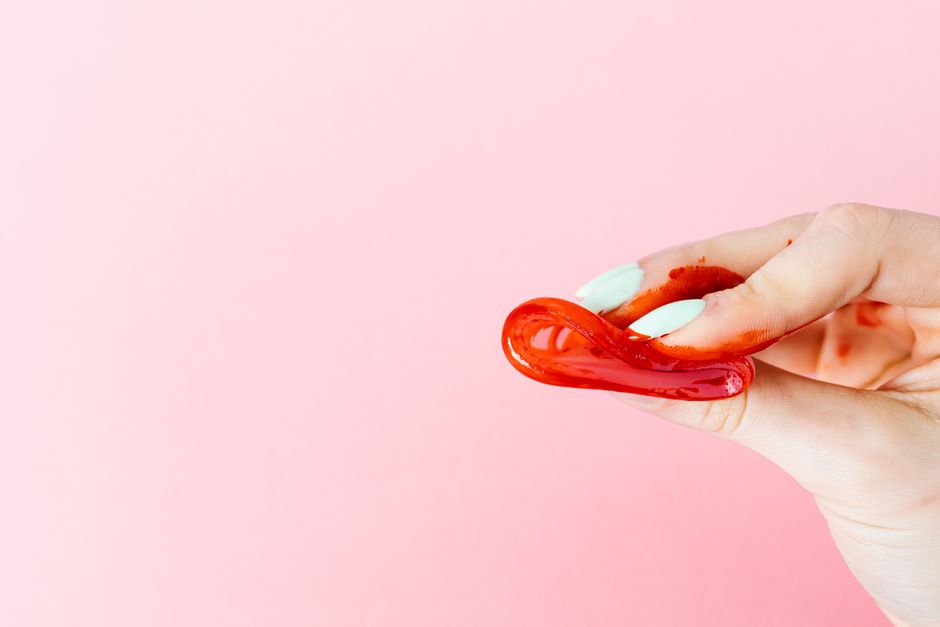
Silly Putty is not highly toxic, but it is not food and should not be swallowed. The classic silicone-based putty is considered minimally toxic by poison control centers, meaning a small taste or a swallowed piece rarely causes serious harm. However, it can pose a choking hazard for young children and large amounts could cause a bowel blockage. On the skin, it is generally safe but can cause irritation or an allergic reaction in some people.
What Is Silly Putty Made Of?
Silly Putty is a silicone polymer. It also contains boric acid, which gives it that stretchy, bounce-back feel. The original formula is mostly polydimethylsiloxane, a type of silicone oil, mixed with boric acid and a few coloring agents.
This combination makes it neither a food nor a medicine. It is a toy designed for stretching, bouncing, and molding. The ingredients are not meant to be digested, but they are also not considered dangerously poisonous in the amounts found in a typical egg-shaped container.
Is Swallowing Silly Putty Dangerous?
Swallowing a small piece of Silly Putty is unlikely to cause poisoning. The body does not digest the silicone polymer well, so it usually passes through the digestive tract and comes out in the stool. This can take a few days.
Boric acid is the ingredient that raises the most concern. In large amounts, boric acid is toxic. But the amount in a single piece of Silly Putty is very small. A child who swallows a pea-sized piece is not expected to show signs of boric acid poisoning. The bigger risks are choking and blockage.
Silly Putty is soft and pliable, but it can stick to the throat. A large piece, or a piece that is chewed into a ball, can get stuck. This is especially true for children under three years old, who have smaller airways and swallowing tubes.
A large swallowed piece could also block the intestines. This is rare but serious. Signs of a bowel blockage include vomiting, stomach pain, and constipation that will not resolve. If a child swallows a large amount of putty, or shows these symptoms, medical attention is needed right away.
What Happens If Silly Putty Gets On The Skin?
For most people, touching Silly Putty is completely harmless. It is a common toy and millions of children handle it without any skin reaction.
Some people do develop irritation. This is usually from the dyes or from the boric acid. Redness, itching, or a rash can appear where the putty touched the skin. This is contact dermatitis, not an allergic reaction to the silicone itself.
True allergies to silicone are rare. If you see a rash after handling Silly Putty, wash the area with soap and water. Avoid using the putty again. If the rash spreads or becomes painful, see a doctor.
One practical warning: Silly Putty can pull hair. It can snag on arm hair or head hair and be painful to remove. This is a mechanical issue, not a toxic one, but it is a common reason parents limit how much putty kids play with.





What To Do If A Child Eats Silly Putty
If a child swallows a small piece, do not panic. Wipe out any remaining putty from the mouth. Give the child a drink of water. Watch for coughing, gagging, or trouble breathing.
If the child is coughing hard, cannot breathe, or is turning blue, this is a choking emergency. Call 911 immediately. Do not try to pull the putty out of the throat if you cannot see it clearly.
If the child swallowed the putty without choking, call your local poison control center. In the US, that number is 1-800-222-1222. They will ask about the child’s age, weight, and how much putty was swallowed. They will tell you what to watch for.
Do not make the child vomit. Do not give laxatives unless a doctor or poison control tells you to. Silly Putty is not a poison that needs to be expelled. It will usually pass on its own.
Watch the child’s stools for the next few days. The putty may come out in one piece. If the child starts vomiting, complains of stomach pain, or has not had a bowel movement in a few days, call a doctor.
Is Silly Putty Safe For Babies And Toddlers?
No. Silly Putty is not recommended for children under three years old. The packaging itself carries a choking hazard warning. Babies and toddlers put everything in their mouths, and this toy is not designed for that.
The texture is appealing to young children. It is squishy and fun to squeeze. But a toddler can easily tear off a piece and swallow it or try to breathe it in. The risk of choking is simply too high.
Older children, around age four and up, can usually handle Silly Putty safely with supervision. Make sure they know it is not food. Keep it away from the mouth entirely.
Is Silly Putty Toxic Swallowing Skin And More: What The Evidence Shows
The scientific consensus is clear. Silly Putty is not a significant poison risk. Poison control centers classify it as minimally toxic. This means that even if a child swallows a small amount, serious symptoms are not expected.
This does not mean it is safe to eat. It is a toy. It contains boric acid, which is toxic in large doses. The margin of safety is wide for the amount in one container, but that margin narrows if a child eats an entire container.
Some internet sources claim Silly Putty contains dangerous levels of chemicals. These claims are not supported by the medical literature. The boric acid content is regulated and the product has been on the market for decades without a pattern of serious poisonings.
There is also no evidence that Silly Putty causes cancer or long-term health problems from normal play. The silicone polymer is inert and does not break down in the body. It passes through without being absorbed.
The real risks are mechanical: choking, blockage, and hair pulling. These are the things parents should focus on, not the fear of chemical poisoning.
What About Silly Putty On Hair Or Fabric?
Getting Silly Putty in hair is not toxic, but it is a mess. The putty bonds to the hair strands and can be very hard to remove. Do not cut the hair unless you have no other choice.
Try using a generous amount of vegetable oil or peanut butter. Work it into the putty slowly. The oil breaks down the silicone bond. Then comb the hair gently. Wash with shampoo afterward.
On fabric, the same principle applies. Rubbing alcohol can help dissolve the putty. Test a small hidden area first. Then blot, do not rub, to lift the putty off the fabric.
These are cleaning problems, not health problems. The putty is not dangerous on skin or hair. It is just sticky and frustrating to remove.
When To Call A Doctor
Call a doctor or poison control if a child swallows more than a small piece of Silly Putty. Also call if the child has any trouble breathing, coughing that will not stop, or signs of distress.
Seek emergency care immediately if the child is choking, cannot speak, or is turning blue. Do not wait to see if it gets better.
Watch for delayed symptoms over the next few days. Vomiting, severe stomach pain, or no bowel movements are all reasons to see a doctor. These could indicate a blockage.
For skin reactions, wash the area and stop using the product. If a rash lasts more than a few days or looks infected, see a doctor. Most skin irritation from Silly Putty clears up quickly on its own.
Frequently Asked Questions
Can Silly Putty kill you if you swallow it?
No. Silly Putty is not lethal if swallowed in small amounts. A large piece could cause choking or a bowel blockage, which are serious emergencies, but the putty itself is not a poison.
What should I do if my child eats Silly Putty?
Wipe out the mouth and give water. Then call poison control at 1-800-222-1222 for guidance specific to your child’s age and weight.
Is Silly Putty safe to play with every day?
Yes, for children old enough not to put it in their mouths. Wash hands after use and keep it away from hair and fabrics to avoid cleanup problems.
Can Silly Putty cause an allergic reaction?
Yes, in some people. Redness or a rash can occur from the dyes or boric acid. Wash the skin and stop using the product if this happens.
