
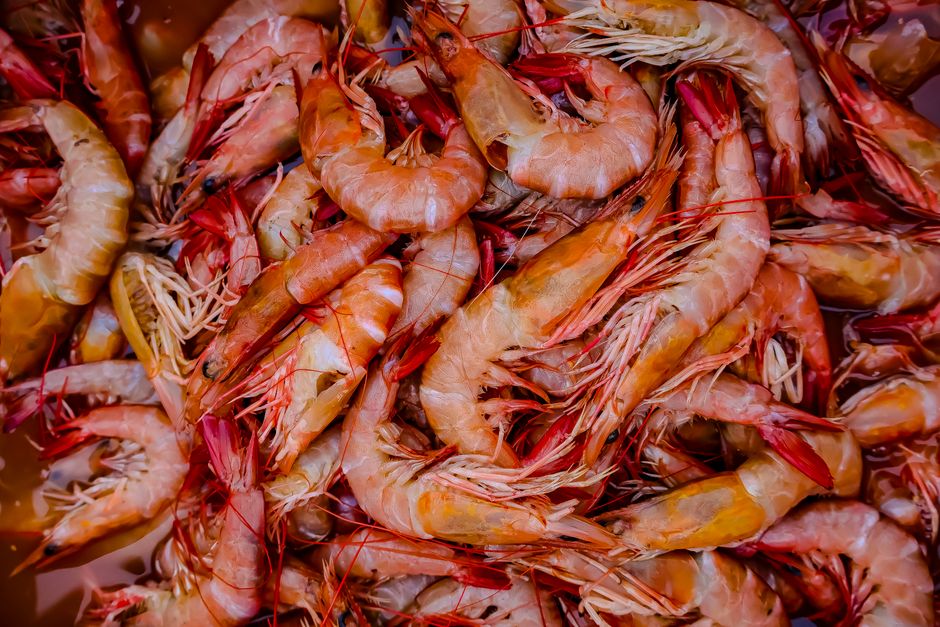
Shrimp is an excellent source of high-quality protein. A standard 3-ounce serving provides roughly 20 grams of protein for only about 84 calories. It delivers all nine essential amino acids your body needs, making it a complete protein comparable to chicken or beef.
How Much Protein Is In Shrimp?
The protein content in shrimp is genuinely impressive for its calorie count. A 3-ounce cooked serving—that is about 15 to 20 medium shrimp—contains approximately 20 grams of protein. To put that in perspective, a similar serving of chicken breast has about 26 grams, and a large egg offers only 6 grams.
Shrimp stands out because of its protein-to-calorie ratio. You get a substantial protein boost without consuming excess calories or fat. This makes it a practical choice for people who want to increase protein intake while managing their weight.
The exact amount varies slightly based on how the shrimp is prepared. Boiled or steamed shrimp retains the most protein. Fried shrimp, while still protein-rich, adds significant calories and unhealthy fats that offset some of the nutritional benefits.
Is Shrimp A Complete Protein?
Yes. Shrimp is a complete protein, meaning it contains all nine essential amino acids in adequate amounts. Your body cannot produce these amino acids on its own, so you must get them from food.
Many plant proteins lack one or more essential amino acids. Shrimp does not have this problem. One serving covers a meaningful portion of your daily amino acid needs without requiring you to combine it with other foods for completeness.
This matters for muscle maintenance and repair. As you age, preserving muscle mass becomes harder. Eating complete proteins like shrimp helps support that process, especially when combined with regular physical activity.
Shrimp Nutrition Beyond Protein
Shrimp offers more than just protein. It is a significant source of several important nutrients that many Americans do not get enough of.
Selenium is one of the standout nutrients in shrimp. A single serving provides over half of your daily recommended intake. Selenium supports thyroid function and helps your body produce antioxidant enzymes.
Vitamin B12 is another major player. Shrimp delivers about 1.5 micrograms per serving, which is roughly 60 percent of the daily value. B12 is essential for nerve function and red blood cell formation. Deficiency becomes more common with age because your stomach’s ability to absorb B12 declines over time.
Shrimp also contains iodine, which is critical for thyroid health. Many people get iodine from iodized salt, but shrimp is a natural food source. It provides zinc, phosphorus, and choline as well.
The omega-3 fatty acids in shrimp deserve mention. Shrimp contains EPA and DHA, the same anti-inflammatory fats found in fatty fish. The amounts are lower than in salmon, but they still contribute to your overall intake.





Is Shrimp Low In Fat And Calories?
Shrimp is naturally low in fat. A 3-ounce serving contains about 1 gram of total fat, with less than 0.3 grams of saturated fat. This makes it one of the leanest animal protein sources available.
One important clarification: shrimp does contain cholesterol. A serving provides roughly 160 to 180 milligrams. For years, experts warned people to limit dietary cholesterol. Current understanding is more nuanced. Research now shows that for most healthy people, dietary cholesterol has a smaller effect on blood cholesterol levels than saturated fat does.
If you have diabetes, heart disease, or a history of high cholesterol, talk with your doctor about how shrimp fits into your diet. For most people, the American Heart Association considers shrimp a heart-healthy choice because it is so low in saturated fat.
How Does Shrimp Protein Compare To Other Proteins?
Shrimp holds its own against more traditional protein sources. The comparison is useful if you are planning meals or tracking your daily protein intake.
| Protein Source | Protein per 3 oz cooked | Calories | Total Fat |
|---|---|---|---|
| Shrimp | 20 g | 84 | 1 g |
| Chicken breast | 26 g | 140 | 3 g |
| Lean beef | 22 g | 180 | 8 g |
| Salmon | 22 g | 180 | 11 g |
| Tofu | 8 g | 70 | 4 g |
Shrimp wins on calorie efficiency. You get substantial protein without the fat and calorie load of many other animal proteins. The trade-off is that you need to eat more shrimp by weight to match chicken’s protein per serving.
Are There Risks To Eating Shrimp Regularly?
Shrimp is safe for most people, but there are genuine concerns worth understanding before making it a weekly staple.
Allergies are the most serious risk. Shellfish allergy is one of the most common food allergies in adults. Reactions can range from mild hives to life-threatening anaphylaxis. If you have ever reacted to shrimp, you should avoid it completely. Shrimp allergy is distinct from fish allergy, so some people allergic to fish can eat shrimp safely—but this should only be determined under medical supervision.
Sodium content is a practical concern. Raw shrimp naturally contains sodium, but most commercially sold shrimp is treated with sodium-based preservatives. A 3-ounce serving can contain anywhere from 200 to 500 milligrams of sodium depending on processing. If you have high blood pressure or heart failure, check labels and choose raw, unprocessed shrimp when possible. Rinsing and cooking fresh shrimp rather than buying pre-cooked frozen varieties helps control sodium intake.
Mercury and contaminants are common worries, but shrimp is actually low in mercury. The FDA classifies shrimp among the “Best Choices” for seafood, which includes fish that are lowest in mercury. Pregnant women can safely eat up to 12 ounces of shrimp per week according to federal guidelines.
How To Choose And Cook Shrimp For Maximum Nutrition
The way you select and prepare shrimp determines how healthy it actually is. Shrimp itself is nutritious. What you do to it changes the picture.
Look for raw shrimp that has not been treated with sodium tripolyphosphate, a preservative used to retain moisture. The ingredient list should show only “shrimp.” Frozen shrimp can be as nutritious as fresh, and often fresher, because it is frozen shortly after harvest.
Preparation methods matter enormously. Boiling, steaming, grilling, or baking preserves the nutritional profile. Deep frying adds calories and unhealthy fats that cancel out shrimp’s natural advantages. A serving of fried shrimp can contain three times the calories of boiled shrimp.
Butter and cream sauces also add significant saturated fat. A light preparation with herbs, lemon, garlic, or a small amount of olive oil keeps the dish healthy.
The shells and tails contain additional nutrients including chitin and astaxanthin, but most people do not eat them. Making stock from shrimp shells captures some of these compounds, though the practical nutritional benefit is modest.
How Much Shrimp Should You Eat?
There is no single recommended amount of shrimp for everyone. General dietary guidance suggests eating at least two servings of seafood per week. Shrimp can count toward that goal.
The FDA advises that pregnant women eat 8 to 12 ounces of low-mercury seafood weekly. Shrimp qualifies as a low-mercury choice. Children should eat smaller portions, typically 2 to 3 ounces depending on age.
For most adults, eating shrimp a few times per week is reasonable. If you rely on shrimp as your primary protein source daily, you would need to watch your sodium intake carefully and vary your seafood choices to get a broader range of nutrients.
Frequently Asked Questions
Is shrimp better for you than chicken?
Shrimp is lower in calories and fat than chicken, but chicken provides more protein per serving. Both are healthy choices, and including both in your diet gives you nutritional variety.
Can you eat shrimp every day?
Daily shrimp consumption is safe for most people, but be mindful of sodium from processed shrimp. Varying your protein sources ensures you get a wider range of nutrients.
Is shrimp protein good for building muscle?
Yes, shrimp is a complete protein that supports muscle repair and growth. Its high leucine content and low fat make it an efficient muscle-building food when paired with resistance training.
Does shrimp raise cholesterol levels?
Shrimp contains dietary cholesterol but is very low in saturated fat, which affects blood cholesterol more significantly. Most healthy people can eat shrimp without harmful effects on their cholesterol levels.
