
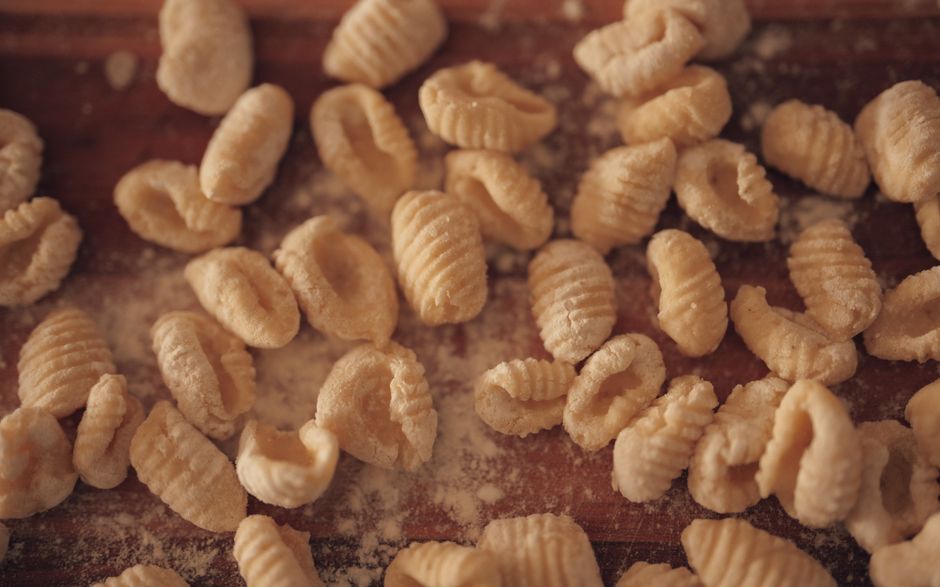
Semolina flour is a healthy choice for most people. It is a high-protein, high-fiber wheat flour that provides more nutrients than refined white flour. However, it is still a refined grain product, which means it affects blood sugar more than whole wheat flour, and it is not safe for anyone with celiac disease or a wheat allergy.
What Is Semolina Flour?
Semolina is a coarse flour made from durum wheat. Durum wheat is the hardest type of wheat grown. When the wheat berry is milled, the endosperm is ground into semolina. The bran and germ are removed in this process.
In Italy, semolina is the standard flour for making dried pasta. It is also used for couscous, bread, and some breakfast cereals. The flour has a pale yellow color and a slightly nutty flavor. It holds its shape well when cooked, which is why pasta makers prefer it.
The key point is that semolina is not a whole grain. The bran and germ are stripped away. That means it lacks some of the fiber and micronutrients found in whole wheat flour.
Is Semolina Flour Healthy?
Yes, semolina is healthy in the context of a balanced diet. It is a good source of plant-based protein, iron, and B vitamins. A quarter-cup serving of dry semolina contains roughly 150 calories, 5 grams of protein, and about 2 grams of fiber. Those numbers are better than standard all-purpose flour, which has about 3 grams of protein and less than 1 gram of fiber per serving.
Semolina also contains magnesium and phosphorus. These minerals support bone health and energy production. Because it is made from durum wheat, it has a higher protein content than flour from softer wheat varieties.
That said, semolina is still a refined carbohydrate. The refining process removes the bran and germ, which are the most nutrient-dense parts of the wheat kernel. You get the starchy endosperm and not much else. Compared to whole wheat flour, semolina has less fiber, fewer antioxidants, and a higher glycemic impact.
Semolina and Blood Sugar: What You Should Know
Semolina has a moderate glycemic index. The glycemic index measures how quickly a food raises blood sugar. Foods with a high GI spike blood sugar fast. Foods with a low GI raise it slowly.
Semolina sits in the middle range. It is not as gentle on blood sugar as whole grains like oats or barley, but it is not as harsh as white bread or sugary cereals. The protein in semolina helps slow digestion slightly, which blunts the blood sugar response compared to refined white flour.
For people with type 2 diabetes or prediabetes, portion control matters. A serving of semolina pasta or couscous should be kept to about one cup cooked. Pairing semolina with vegetables and a source of lean protein helps reduce the overall glycemic load of the meal.
Research on pasta specifically shows that the way pasta is processed affects blood sugar. Dried pasta made from semolina has a lower glycemic response than freshly made pasta. The dense structure of dried pasta slows digestion. This is a useful detail if you are watching your blood sugar.
Gluten and Celiac Disease: Semolina Is Not Gluten-Free
Semolina contains gluten. Gluten is the protein complex found in wheat, barley, and rye. People with celiac disease must avoid gluten completely. Even small amounts can trigger an autoimmune response that damages the small intestine.
People with non-celiac gluten sensitivity may also react to semolina. Symptoms can include bloating, abdominal pain, fatigue, and brain fog. If you have been diagnosed with either condition, semolina is not safe for you.
There is no medical debate here. Semolina is wheat. It is not gluten-free. Anyone on a strict gluten-free diet must avoid it and any product made with it.
Semolina vs. Whole Wheat Flour: Which Is Better?
Whole wheat flour is nutritionally superior to semolina in most ways. Whole wheat retains the bran, germ, and endosperm. That means it has more fiber, more B vitamins, more iron, and more antioxidants.
Fiber is the biggest difference. Whole wheat flour contains about 12 grams of fiber per 100 grams. Semolina contains about 4 grams per 100 grams. Fiber supports digestive health, helps maintain steady blood sugar, and promotes satiety.
Semolina does have one advantage. It has a higher protein content than standard whole wheat flour in some cases. Durum wheat is naturally higher in protein than common bread wheat. For people who want extra protein in their pasta or baked goods, semolina is a reasonable choice.
The practical takeaway is simple. If you are choosing between refined white flour and semolina, semolina is the better option. If you are choosing between semolina and whole wheat flour, whole wheat wins on nutrition.
How to Use Semolina in a Healthy Diet
Semolina is versatile. It works in pasta, couscous, porridge, and baked goods. The way you use it matters more than the flour itself.
Here are a few practical ways to include semolina without overdoing refined carbohydrates:
- Use semolina for homemade pasta and pair it with a vegetable-heavy sauce.
- Make a breakfast porridge with semolina, milk, and fresh fruit. This gives you protein and fiber from the milk and fruit to balance the meal.
- Use semolina as a coating for baked fish or chicken instead of breadcrumbs. It adds a crisp texture with more protein than standard breadcrumbs.
- Mix semolina with whole wheat flour in baking. A 50-50 blend improves the texture of bread while adding back some fiber.
Portion size is the main thing to watch. A serving of cooked semolina pasta is about one cup. A serving of dry semolina for porridge is about a quarter cup. Stick to those amounts and semolina fits comfortably in a healthy diet.
Who Should Limit Semolina?
Most people can eat semolina without issue. Certain groups should be more careful.
People with diabetes or insulin resistance should limit portions and pair semolina with protein and fiber. People trying to lose weight should watch portion sizes because semolina is calorie-dense. People with celiac disease or a wheat allergy must avoid it entirely.
No clinical guidelines currently exist for a specific “safe” amount of semolina for these groups. The general dietary advice for refined grains applies: keep servings moderate and prioritize whole grains most of the time.
There is also a common misconception that semolina is a superfood. It is not. It is a decent refined grain with a slightly better nutrient profile than white flour. That is all the evidence supports.
Frequently Asked Questions
Frequently Asked Questions
Is semolina healthier than white flour?
Yes. Semolina has more protein, more fiber, and more minerals than all-purpose white flour. It is a better choice when you need a refined flour.
Can I eat semolina if I have diabetes?
You can eat it in moderation. Keep portions to about one cup cooked and pair it with protein and vegetables to slow the blood sugar response.
Is semolina a whole grain?
No. Semolina is made from the endosperm of durum wheat, so the bran and germ are removed. It is a refined grain, not a whole grain.
Does semolina contain gluten?
Yes. Semolina is wheat and contains gluten. It is not safe for people with celiac disease or a wheat allergy.
