
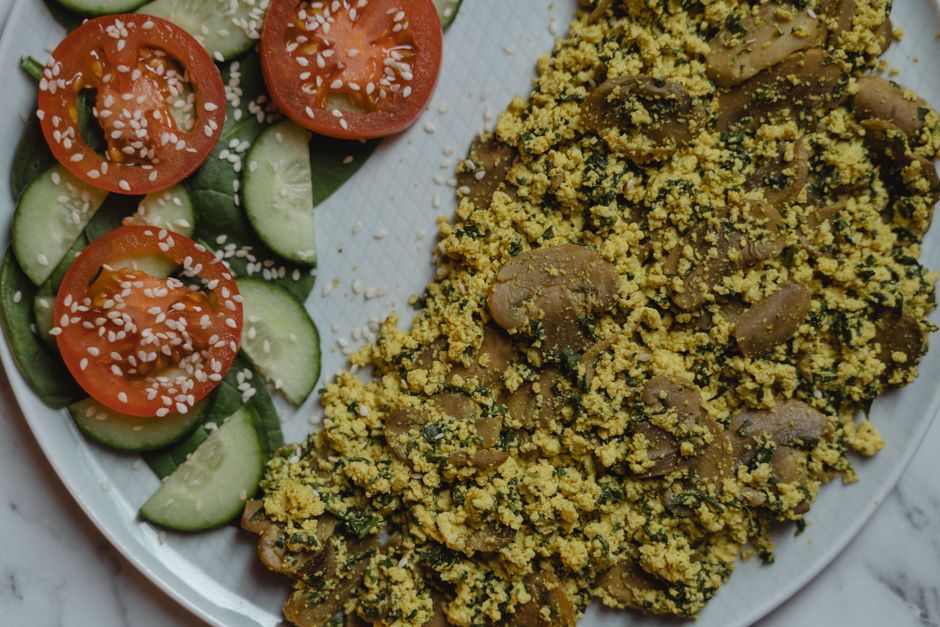
Scrambled eggs can be a genuinely healthy part of your diet. They deliver high-quality protein, several vitamins, and important minerals for relatively few calories. What changes the health picture is not the egg itself but how you cook it — the fat you add, the salt you shake on, and what you pile on the plate beside it.
Is Scrambled Egg Healthy For You?
Yes, for most people. A scrambled egg is essentially a whole egg cooked with a little fat, and the egg brings a lot to the table. It is one of the few foods that naturally contains a meaningful amount of vitamin D, along with choline, selenium, vitamin B12, and riboflavin.
The protein in eggs is considered complete, meaning it supplies all nine essential amino acids your body cannot make on its own. That makes eggs a useful protein source for people who eat little or no meat.
The catch is the cooking method. Two large eggs scrambled in butter with a pinch of salt land somewhere around 200 calories. The same two eggs scrambled in a generous pour of oil, topped with cheese, and served with white toast and sausage can climb past 600. The egg did not change. The plate did.
What Nutrients Are in Scrambled Eggs?
One large egg contains about 6 grams of protein and roughly 70 calories, with the majority of the fat and about half the protein sitting in the yolk. Scrambling does not strip these nutrients out. In fact, cooking helps in one specific way: it makes the protein in eggs easier for your body to digest and absorb.
Here is a rough look at what two large scrambled eggs provide before you add anything else:
| Nutrient | Approximate amount (2 large eggs) |
|---|---|
| Calories | About 140 |
| Protein | About 12 grams |
| Fat | About 10 grams |
| Choline | A significant share of daily needs |
| Selenium | A meaningful portion of daily needs |
| Vitamin B12 | Present in notable amounts |
| Vitamin D | One of the few natural food sources |
Choline is worth a closer look because it is easy to miss. It supports brain and nervous system function, and many people do not get enough of it from food. Eggs are among the richest common sources. This is one of the non-obvious reasons an egg earns its place in a balanced diet.
One detail that surprises people: the yolk is not just fat and cholesterol. It holds most of the vitamin D, much of the choline, and a good share of the vitamins and minerals. Discarding the yolk to make an egg-white scramble removes a large portion of the nutrition along with it.
Does Scrambled Egg Raise Your Cholesterol?
For most people, dietary cholesterol has a smaller effect on blood cholesterol than once believed. The bigger drivers of blood cholesterol for most people are saturated fat and trans fat intake, plus genetics, body weight, and physical activity.
This is where the cooking fat matters more than the egg. Scrambling in butter or bacon grease adds saturated fat, which has a clearer effect on LDL cholesterol than the cholesterol naturally found in the egg. Scrambling in olive oil or a small amount of a plant-based spread changes that equation.
Some people respond more strongly to dietary cholesterol than others. These are sometimes called hyper-responders, and the effect is real but varies from person to person. If you have high LDL cholesterol, diabetes, or a history of heart disease, talk with your doctor about how eggs fit your specific situation. For the general population, most major health organizations no longer treat eggs as a food to avoid.





What Is the Healthiest Way to Scramble Eggs?
The healthiest scramble keeps the egg and limits what you add. That means choosing a cooking fat thoughtfully, going easy on the salt, and being aware of what goes on the plate next to it.
- Use a modest amount of a fat that is low in saturated fat, such as olive oil or a small pat of a plant-based spread.
- Skip or limit added cheese, which adds saturated fat and sodium quickly.
- Go light on salt. Most Americans already get more sodium than recommended, and eggs can carry a fair amount once you season them.
- Pair with vegetables like spinach, peppers, or tomatoes, which add fiber and nutrients without many calories.
- Choose whole-grain toast over white if you want bread on the side.
Low heat also helps. Cooking eggs gently rather than at high heat reduces the chance of burning the fat and keeps the texture softer. It is a small thing, but it fits the same principle: the egg is fine, and the method is what you control.
Are There Risks to Eating Scrambled Eggs?
The main safety concern with eggs is foodborne illness, specifically Salmonella. Eggs can carry the bacteria, and the risk is higher when eggs are undercooked or left sitting at room temperature.
Cooking eggs until both the white and yolk are firm reduces this risk. For people who are pregnant, older adults, young children, and anyone with a weakened immune system, the guidance is to avoid runny or raw eggs and cook them thoroughly. This is established food safety guidance, not a gray area.
Store eggs in the refrigerator and use them within the recommended time. Wash your hands and any surfaces that touch raw egg. These basic steps handle most of the practical risk.
There is also an allergy consideration. Egg allergy is one of the more common food allergies, especially in children, and it can be serious. If you or your child reacts to eggs, that is a medical issue to discuss with a doctor rather than a nutrition choice.
How Does Scrambled Egg Fit Into a Healthy Diet?
Scrambled eggs fit well when they replace a less nutritious breakfast, not when they pile on top of one. A person who swaps a sugary pastry or a fast-food sandwich for two scrambled eggs with vegetables is generally making a better choice, mainly because of the protein and the reduced added sugar.
Protein and fat in eggs can help you feel full, which may make it easier to eat less later in the day. That said, the evidence on eggs and weight management specifically is not strong enough to promise an effect. The more reliable point is simpler: a breakfast built around eggs and vegetables tends to be more nutrient-dense than one built around refined carbs.
For most healthy adults, eating eggs as part of a varied diet is reasonable. Variety still matters. Eggs are excellent, but they are not a complete diet on their own, and relying on them for every meal would crowd out other foods your body needs.
Frequently Asked Questions
Is it healthy to eat scrambled eggs every day?
For most healthy adults, eating eggs daily as part of a balanced diet is considered fine. If you have high LDL cholesterol, diabetes, or heart disease, ask your doctor whether your intake should be adjusted.
Are scrambled eggs healthier than fried eggs?
They are similar in nutrition when cooked with the same amount of fat. Scrambling tends to use less added fat than frying, which can make it the lighter option depending on how you cook it.
Does scrambling eggs destroy their nutrients?
No. Cooking actually makes egg protein easier to digest, and scrambling does not remove the vitamins and minerals in the egg. The main thing that changes the nutrition is what you add while cooking.
Is it safe to eat slightly runny scrambled eggs?
For most healthy people the risk is low but not zero, because eggs can carry Salmonella. People who are pregnant, older, very young, or immunocompromised should cook eggs until firm.
