
Sandalwood has been used on skin for thousands of years. Ancient medical systems in India and China valued it for calming irritated skin. Modern skincare brands still use it today. The short answer is yes, sandalwood can benefit the skin, but it is not for everyone. It has real anti-inflammatory properties, but it also carries a real risk of allergic reactions in some people. Understanding both sides is the key to using it safely.
What Makes Sandalwood Good for the Skin?
The bark and heartwood of the sandalwood tree contain natural compounds called santalols. These compounds are what give sandalwood its distinctive warm scent. They also appear to be the main reason sandalwood has skin benefits.
Research has shown that santalols have anti-inflammatory effects. This means they can help reduce redness and swelling. Some studies suggest sandalwood can calm skin conditions like eczema and psoriasis, though the evidence is not strong enough to call it a treatment. It is better described as a soothing ingredient.
Sandalwood also has mild antibacterial properties. This is why it has been used traditionally on minor cuts and blemishes. The effect is gentle compared to prescription antibiotics, but it may help keep minor skin issues from getting worse.
Does Sandalwood Help With Acne?
Many people turn to sandalwood for acne. The logic makes sense. Acne involves inflammation and bacteria, and sandalwood addresses both. Some research supports this use, but the evidence is limited.
One study published in the Journal of Clinical and Aesthetic Dermatology looked at a sandalwood-based cream for acne. The study found some improvement in mild to moderate acne. However, the study was small and the product was a specific formulation, not pure sandalwood oil.
There is a bigger problem with using sandalwood on acne. Many sandalwood products are heavy oils or creams. These can clog pores and make acne worse. If you have acne-prone skin, you need to be careful about the product format. A light lotion or a diluted oil might work. A rich cream could backfire.
The honest answer is that sandalwood may help some people with acne, but it is not a proven acne treatment. Standard acne treatments like benzoyl peroxide or salicylic acid have far more evidence behind them.
Can Sandalwood Reduce Wrinkles and Signs of Aging?
Sandalwood is often marketed as an anti-aging ingredient. The claim is that its antioxidant properties protect skin from damage. Antioxidants do fight free radicals, which are unstable molecules that can damage skin cells over time.
Sandalwood does contain antioxidant compounds. This is well established. However, there is no clinical evidence that sandalwood specifically reduces wrinkles or slows visible aging. The antioxidant effect is real, but whether it translates to fewer wrinkles is unknown.
If you want proven anti-aging ingredients, look for retinoids, vitamin C, or peptides. These have strong clinical evidence behind them. Sandalwood can be a pleasant addition to a routine, but it should not be your main anti-aging strategy.


How Should You Use Sandalwood on Your Skin?
How you use sandalwood matters a great deal. The most common forms are essential oil, powder, and finished skincare products.
Essential oil is the most concentrated form. It should never be applied directly to the skin undiluted. Essential oils can cause burns and severe irritation. Always mix a few drops into a carrier oil like jojoba, almond, or coconut oil before applying.
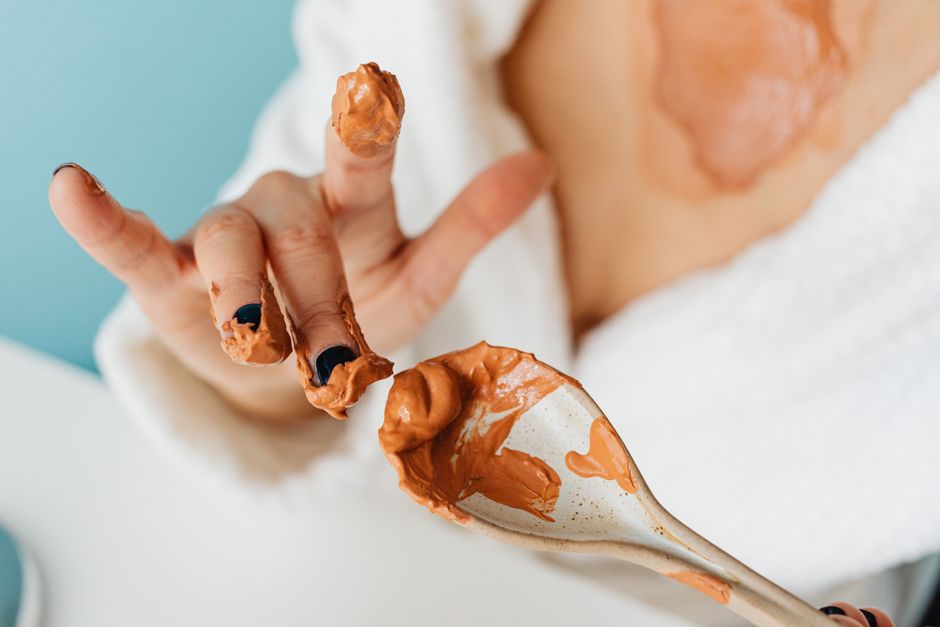
Sandalwood powder is often mixed with water, milk, or rose water to make a paste. This is a traditional face mask approach. The powder is gentler than the essential oil, but it can still be drying. Use it once or twice a week at most.
Finished products like creams, serums, and lotions are the safest option. They are formulated with sandalwood at safe concentrations. They also contain other ingredients that help the skin absorb the sandalwood without irritation.
Start with a patch test no matter which form you choose. Apply a small amount to the inside of your forearm. Wait 24 hours. If you see redness, itching, or swelling, do not use it on your face.
Who Should Avoid Sandalwood on Their Skin?
Sandalwood is not safe for everyone. The most important risk is allergic contact dermatitis. This is a type of skin reaction caused by the immune system. Symptoms include redness, itching, swelling, and sometimes blistering.
Some research suggests that sandalwood allergy is not extremely common, but it does happen. People with sensitive skin or a history of allergic reactions to fragrances should be especially cautious. Sandalwood essential oil contains fragrance compounds, and fragrance is one of the most common causes of skin allergies.
Pregnant and breastfeeding women should also be cautious. There is no strong evidence that sandalwood is harmful during pregnancy, but there is also no evidence that it is safe. The safest choice is to avoid concentrated essential oils during pregnancy. A finished product with a small amount of sandalwood is likely fine, but discuss it with your doctor if you have concerns.
People with asthma or respiratory conditions should be careful with sandalwood aromatherapy. Inhaling concentrated essential oils can trigger breathing problems in some individuals.
What Are the Risks and Side Effects?
The main risks are irritation and allergy. Even people who are not allergic can experience irritation if they use too much or use it too often.
Sandalwood essential oil can cause skin burns if applied undiluted. This is not a rare occurrence. It happens because the oil is highly concentrated. Always dilute it properly.
Oral use of sandalwood oil is not recommended. Ingesting essential oils can be toxic. Some traditional practices use sandalwood internally, but modern safety guidance is clear: do not swallow essential oils.
There is also a concern about sustainability. True sandalwood trees are slow-growing and have been overharvested. Many products on the market use synthetic sandalwood or oil from other tree species. If you want genuine sandalwood, look for products that state the botanical name Santalum album and check for sustainable sourcing claims.
Does Sandalwood Have Proven Medical Uses?
In clinical settings, sandalwood has some documented uses. One area of research involves skin conditions like warts and molluscum contagiosum.
Molluscum contagiosum is a viral skin infection that causes small, raised bumps. Some studies have looked at sandalwood oil as a treatment for this condition. The results have been mixed. One study showed some improvement, but other research did not find a significant benefit.
Sandalwood is also being studied for its effects on anxiety and sleep. The scent appears to have a calming effect on the nervous system. Some small studies suggest it can reduce anxiety, but again, the evidence is not conclusive.
None of this means sandalwood is a medical treatment. It means researchers are studying it. The existing evidence does not support using sandalwood in place of proven medical treatments for any condition.
Is Sandalwood Safe to Use Every Day?
Daily use is probably fine for most people, but it depends on the product and your skin type. A moisturizer with a small amount of sandalwood is gentle enough for daily use. Pure essential oil applied daily is more likely to cause irritation.
Listen to your skin. If you notice redness, itching, or a burning sensation, stop using the product. These are signs that your skin is reacting badly. Continuing to use a product that irritates your skin can damage your skin barrier over time.
A damaged skin barrier leads to dryness, sensitivity, and increased risk of infection. It is not worth the risk for any cosmetic benefit.
Frequently Asked Questions
Can I put sandalwood oil directly on my skin?
No, never apply undiluted essential oil directly to skin. Always mix it with a carrier oil first to prevent burns and irritation.
Is sandalwood good for sensitive skin?
It can be, but it is also a known allergen for some people. Patch test first and stop using it if you notice any redness or itching.
Does sandalwood lighten dark spots?
There is no clinical evidence that sandalwood lightens hyperpigmentation. Some traditional uses claim this effect, but modern research has not confirmed it.
Can I use sandalwood during pregnancy?
Finished skincare products with small amounts of sandalwood are likely fine, but concentrated essential oils should be avoided. Talk to your doctor before using any essential oil during pregnancy.
Sandalwood is a useful skincare ingredient with real anti-inflammatory and calming properties. It is not a cure for acne, wrinkles, or any skin disease. Use it as a gentle addition to your routine, not as a primary treatment. Pay attention to how your skin responds, and stop if you see any signs of irritation.
