
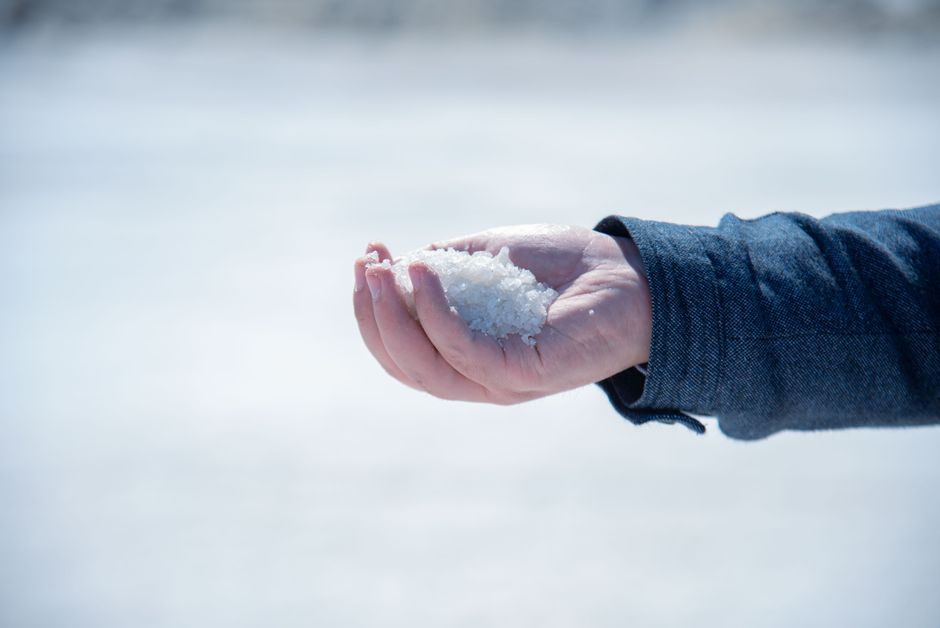
Saline solution is simply salt and water mixed together in a specific ratio. The salt in that mixture is sodium chloride, the same compound as common table salt. So yes, saline is sodium chloride dissolved in water, but the medical version uses a precise concentration that matches your body’s natural fluids.
What Exactly Is Saline Solution?
Saline is a sterile mixture of sodium chloride and water. The concentration matters. Medical saline is typically 0.9% sodium chloride, meaning 0.9 grams of salt per 100 milliliters of water. This specific ratio is called “normal saline” because it matches the salt concentration of human blood and tears.
That matching concentration is why saline is so useful. Your cells and tissues exist in an environment with a specific salt balance. When that balance is disrupted, medical professionals use saline to restore it without shocking your system.
Not all saline is the same. You can buy weaker solutions for nasal rinses or stronger ones for specific medical uses. The 0.9% concentration is the standard for intravenous use and wound care.
How Does Saline Work in the Body?
Your body maintains a careful balance of water and salt. This balance affects blood pressure, nerve function, and muscle movement. Sodium chloride breaks apart into sodium ions and chloride ions when dissolved in water. These charged particles help your cells communicate and regulate fluid movement.
When you receive IV saline, it increases the fluid volume in your blood vessels. This helps if you are dehydrated or have lost blood. The sodium component helps your body retain that fluid rather than passing it straight through your kidneys.
For wound care, saline works differently. It gently cleans tissue without damaging new cells. Plain water can cause cells to swell and burst because it lacks salt. Harsher antiseptics can kill healthy tissue along with bacteria. Saline sits in the middle — it cleans without causing cellular damage.
Is Saline the Same as Table Salt Water?
Not exactly. Table salt water at home is not sterile. It may contain impurities, and you cannot control the exact concentration. Medical saline is manufactured under strict sterile conditions with precisely measured sodium chloride.
Making your own saline at home carries real risks. Tap water is not sterile. Even boiled water can become contaminated during cooling and storage. Measuring errors can create a solution that is too strong or too weak, which can damage tissue or fail to work.
For minor nasal congestion, some clinicians suggest using distilled or previously boiled water with non-iodized salt. But for wound care or eye rinsing, use commercial sterile saline from a pharmacy. The cost is low, and the safety margin is much higher.




What Is Saline Used For?
Saline has several common medical uses. IV fluids for dehydration are the most frequent application. Hospitals use millions of liters of normal saline each year to treat patients who cannot drink enough fluids or who have lost fluids through vomiting, diarrhea, or bleeding.
Wound cleaning is another standard use. Saline gently flushes dirt and debris from cuts and scrapes. Emergency rooms and clinics use it because it does not sting like alcohol or hydrogen peroxide and does not interfere with the natural healing process.
Nasal irrigation uses a saline solution to rinse nasal passages. This can help with allergies, colds, and sinus congestion. Many people use neti pots or squeeze bottles with saline packets for this purpose.
Eye care also relies on saline. Contact lens solutions contain saline to keep lenses moist and clean. Artificial tears often use saline as a base to relieve dry eyes.
Inhalation therapy uses saline in nebulizers. A fine mist of sterile saline can help loosen mucus in the airways for people with respiratory conditions. Some studies suggest hypertonic saline — a stronger concentration — may help certain lung conditions, but this requires medical supervision.
Is Saline Safe for Everyday Use?
Commercial sterile saline is generally safe when used as directed. It is one of the most common medical products in the world. But “safe” depends on how you use it and for what purpose.
Drinking saline is not necessary for most people. Your body gets enough sodium from food. Drinking extra salt water can raise your blood pressure and strain your kidneys. Sports drinks contain small amounts of sodium for a reason — but they are not the same as medical saline.
Using saline as a nasal rinse is generally well tolerated. Use distilled, sterile, or previously boiled water. Do not use tap water directly. The FDA has warned about rare but serious infections from neti pots when tap water is used.
Do not use saline as a substitute for medical care. If you have a deep wound, signs of infection, or severe dehydration, see a healthcare provider. Saline cleans and hydrates, but it does not treat infections or replace lost blood.
Can You Make Saline at Home?
You can make a saline-like solution at home, but it will not be sterile. The standard recipe is one teaspoon of salt per pint of boiled water. This approximates the 0.9% concentration, but home measurements are not precise.
If you choose to make saline at home, use non-iodized salt without additives. Iodized salt contains extra iodine, and some salts contain anti-caking agents. Boil the water first and let it cool. Use the solution within 24 hours and discard any leftover.
Do not use homemade saline for eyes, wounds, or nebulizers. These uses require sterile solution. Homemade saline is only appropriate for nasal rinsing when commercial options are unavailable, and even then, the risk of contamination exists.
Many clinicians advise against homemade saline entirely. The potential for error and infection outweighs the minor cost savings. Commercial saline packets for nasal irrigation are inexpensive and widely available.
What Happens If You Use the Wrong Concentration?
Too much salt in the water creates a hypertonic solution. This draws water out of cells, which can cause them to shrink. In nasal rinses, this can feel intensely burning. In wounds, it can damage new tissue growth.
Too little salt creates a hypotonic solution. This causes water to move into cells, making them swell. In severe cases, this can burst cells. For this reason, using plain water on wounds or in the nose is not recommended.
The 0.9% concentration is called isotonic because it matches the salt level of your body fluids. At this concentration, no net movement of water occurs across cell membranes. This is why it is the standard for medical use.
Hypertonic saline — usually 3% or 7% — is used in specific medical situations. It draws fluid out of swollen tissues or helps thin mucus in certain lung conditions. This is only used under medical supervision because it can cause complications if misused.
Frequently Asked Questions
Is saline solution just salt water?
Yes, saline is sodium chloride dissolved in water. Medical saline uses a precise 0.9% concentration that matches your body’s natural salt level.
Can I use table salt to make saline?
You can approximate it, but table salt contains additives and is not sterile. Commercial saline is manufactured under sterile conditions with precise measurements.
Is it safe to drink saline solution?
Drinking small amounts is not typically harmful, but it is unnecessary. Your body gets enough sodium from food, and extra salt can raise blood pressure.
Can I use saline instead of water in a neti pot?
Yes, saline is the correct solution for nasal irrigation. Use sterile, distilled, or previously boiled water with commercial saline packets for safety.
