
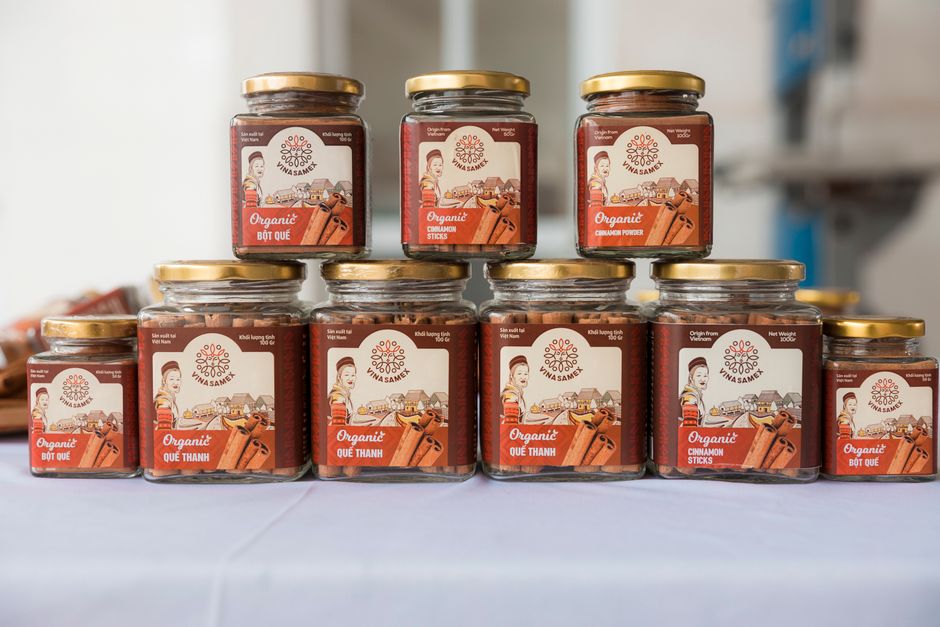
Saigon cinnamon is safe for most people in the small amounts used to flavor food. The concern is coumarin, a natural compound in cassia-type cinnamon that can harm the liver in large or long-term doses. Saigon cinnamon is a type of cassia, and it contains more coumarin than most other cinnamon varieties.
That single fact drives most of the safety advice you will read about it. Used as a spice, it is fine. Used as a daily supplement in large spoonfuls, it can become a real problem, especially for people with liver conditions or those taking blood-thinning medication.
What Is Saigon Cinnamon?
Saigon cinnamon is the dried inner bark of Cinnamomum loureiroi, a tree grown mainly in Vietnam. It belongs to the cassia family, which also includes Indonesian cinnamon and Chinese cinnamon. It is not the same plant as Ceylon cinnamon (Cinnamomum verum), often sold as “true cinnamon.”
The two are easy to confuse on a store shelf but very different in the lab. Saigon cinnamon has a stronger, sweeter, more intense flavor, which is why bakers and spice sellers favor it. It also tends to carry higher levels of a compound called coumarin than Ceylon cinnamon does.
Coumarin is the reason this spice gets more scrutiny than most. It occurs naturally in cassia bark, and it is the main safety issue tied to eating large amounts of Saigon cinnamon over time.
Is Saigon Cinnamon Safe to Eat Every Day?
Yes, in normal cooking amounts. A sprinkle on oatmeal, a dash in coffee, or a teaspoon in a batch of cookies is not a health concern for most adults.
The risk shows up when cinnamon moves from a flavoring to a daily supplement. Some people take cinnamon by the spoonful hoping to lower blood sugar or cholesterol. With Saigon cinnamon, that habit can push coumarin intake into a range that matters.
Coumarin is metabolized in the liver. In sensitive people, high or prolonged intake has been linked to liver injury. This is not a theoretical worry. Coumarin-induced liver damage is well documented, and it is why some countries regulate how much coumarin certain foods may contain.
The practical takeaway is simple. Treat Saigon cinnamon as a spice, not a medicine you scoop by the tablespoon.
How Much Coumarin Does Saigon Cinnamon Contain?
Saigon cinnamon generally contains more coumarin than other cassia types, and far more than Ceylon cinnamon. Ceylon cinnamon has only trace amounts, which is why it is often recommended when someone wants a high daily intake.
Exact coumarin levels vary widely. They depend on the tree, the harvest, the part of the bark, and how the spice was stored and ground. That variability is real, and it means you cannot reliably predict the coumarin content of a given jar from the label alone.
There is a helpful guideline to work from. The European Food Safety Authority set a tolerable daily intake for coumarin of 0.1 milligrams per kilogram of body weight. For a 70-kilogram adult, that works out to about 7 milligrams of coumarin per day.
Because Saigon cinnamon can contain coumarin in the range of a few milligrams per gram of powder, a single large spoonful can approach or exceed that daily limit. A small pinch used for flavor does not.
This is where a comparison helps clarify the difference between cinnamon types.
| Cinnamon Type | Botanical Name | Coumarin Level |
|---|---|---|
| Ceylon (“true”) cinnamon | Cinnamomum verum | Trace amounts |
| Saigon cinnamon | Cinnamomum loureiroi | High |
| Indonesian cinnamon | Cinnamomum burmannii | High |
| Chinese cinnamon | Cinnamomum cassia | High |
The table shows the core issue. If you want to use cinnamon liberally every day, Ceylon is the safer choice because of its low coumarin content. If you simply want bold flavor in baking, Saigon works well and the amount you use is small.




Who Should Be Careful With Saigon Cinnamon?
Some groups have more reason to limit cassia-type cinnamon, including Saigon. The main one is anyone with a liver condition or a history of liver problems. Since coumarin is processed by the liver, people whose liver function is already reduced have less margin.
People taking blood-thinning medication also need to pay attention. Coumarin is related to a compound used in some blood-thinning drugs, and there is a reasonable concern that large cinnamon intake could interact with anticoagulant therapy. This is a case where common caution exists, though the strength of evidence for a meaningful interaction at typical food amounts is limited.
Other groups to consider:
- People who take cinnamon supplements daily in high doses
- Anyone with a diagnosed liver disorder
- People on blood-thinning or certain liver-metabolized medications
- Children, who are smaller and reach coumarin limits at lower intakes
For pregnancy and breastfeeding, there is no established clinical guidance that sets a specific safe coumarin intake for these groups. The cautious position is to keep cinnamon to normal food amounts and avoid large supplemental doses. Anyone with a specific medical concern should talk to their clinician rather than rely on general rules.
Does Saigon Cinnamon Have Health Benefits?
Cinnamon has been studied for effects on blood sugar, cholesterol, and inflammation. Some studies suggest modest benefits, but the evidence is mixed and results vary across trials. It is not a treatment for diabetes or any other condition.
There is also a practical problem with the research. Many cinnamon studies do not clearly state which species was used. Cassia and Ceylon are different plants with different compounds, so lumping them together makes the results hard to interpret. When a study uses cassia, the coumarin question comes along with it.
This is a point worth being honest about. The enthusiasm for cinnamon as a supplement has often run ahead of the evidence. Biological plausibility, meaning a compound looks like it could affect blood sugar, is not the same as proven clinical benefit. No large, consistent body of human trials confirms that Saigon cinnamon improves health outcomes in a meaningful way.
If you enjoy the flavor, that is a good enough reason to use it. Just do not treat it as a substitute for medical care.
How to Use Saigon Cinnamon Safely
Keep it in the kitchen, not the medicine cabinet. That single habit avoids most of the risk, because cooking amounts are small and occasional.
If you want cinnamon every day in larger amounts, choose Ceylon cinnamon instead. Its low coumarin content makes it the better fit for regular, higher intake. This is one of the few cases where the variety on the label truly changes the safety picture.
A few practical steps:
- Use Saigon cinnamon for flavor in normal recipe amounts
- Avoid taking it by the tablespoon as a daily supplement
- Check supplement labels, since many do not list the cinnamon species
- Choose Ceylon cinnamon if you want a large daily intake
- Talk to a clinician before high-dose use if you have liver or bleeding concerns
Be skeptical of products that market cinnamon as a cure for anything. No study has confirmed that cinnamon treats or prevents disease. The spice is enjoyable and generally safe in food, and that is the honest summary.
Are Cinnamon Supplements Risky?
Supplements carry more risk than the spice jar, for two reasons. First, the dose is much higher. Second, many products do not say which species of cinnamon they contain, so you cannot know the coumarin level.
A supplement could be Ceylon, cassia, or a blend. If it is Saigon or another cassia type, a daily capsule or powder could deliver a meaningful coumarin dose over time. Because labels are often vague, the consumer has little way to tell.
This does not mean every cinnamon supplement is dangerous. It means the information needed to judge safety is often missing. When a product does not disclose its cinnamon species, you cannot estimate your coumarin exposure, and that uncertainty is itself a reason for caution.
What Are the Signs of Too Much Coumarin?
Liver injury from coumarin tends to be gradual and easy to miss. Early signs can include fatigue, nausea, and a general sense of feeling unwell. More serious liver problems may cause yellowing of the skin or eyes, dark urine, or abdominal pain.
These symptoms are not specific to coumarin. Many conditions cause them, so their presence does not prove cinnamon is the cause. What matters is context. If someone has been taking high daily doses of cassia cinnamon and develops these symptoms, that combination deserves medical attention.
Do not try to diagnose yourself from a symptom list. If you have concerning symptoms, especially jaundice, seek medical care. A clinician can check liver function with a blood test and assess what is going on.
Frequently Asked Questions
Is Saigon cinnamon the same as Ceylon cinnamon?
No, they come from different plants. Saigon cinnamon is a cassia type with high coumarin levels, while Ceylon cinnamon has only trace amounts.
How much Saigon cinnamon is safe per day?
There is no single official daily limit for the spice itself, but the European Food Safety Authority set a tolerable daily coumarin intake of 0.1 milligrams per kilogram of body weight. For a 70-kilogram adult that is about 7 milligrams of coumarin per day, and large spoonfuls of Saigon cinnamon can approach or exceed that.
Can Saigon cinnamon damage your liver?
High or prolonged coumarin intake has been linked to liver injury in sensitive people. Normal cooking amounts are not a concern, but large daily doses, especially from supplements, carry more risk.
Is it safe to take cinnamon supplements every day?
It depends on the species and dose, and many supplements do not disclose which cinnamon they contain. Without that information, you cannot estimate your coumarin exposure, so caution is reasonable.
