
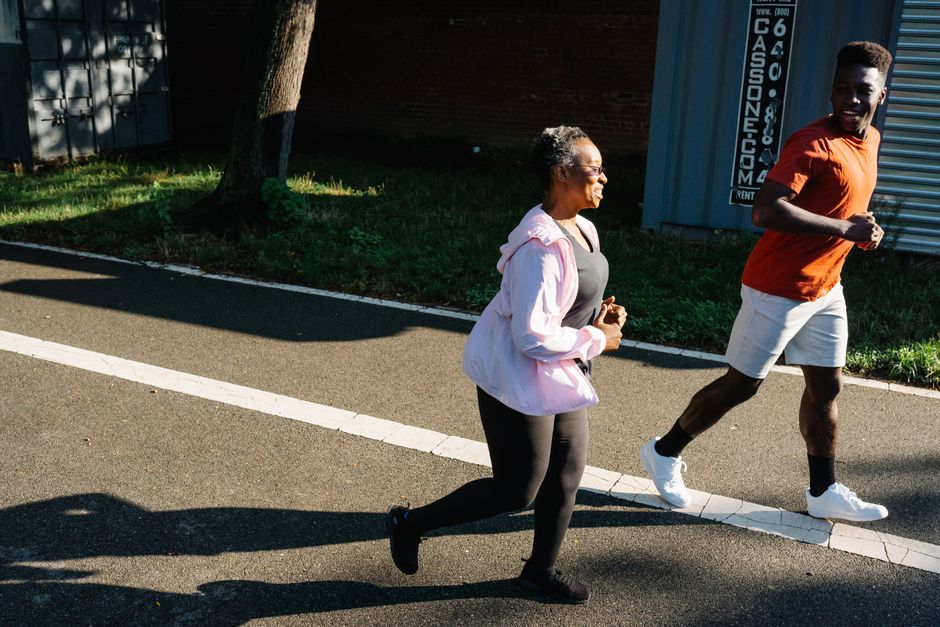
Running is one of the most effective ways to lose belly fat, but it does not work the way most people expect. Spot reduction—the idea that you can target fat loss from one specific area—is a myth. Running burns calories and reduces overall body fat, and as your total body fat drops, your waistline shrinks. The evidence is clear: consistent running combined with a sensible diet leads to measurable reductions in abdominal fat for most people.
Why Belly Fat Is Different from Other Fat
Belly fat is not just one thing. You have subcutaneous fat, which sits just under the skin, and visceral fat, which wraps around your internal organs. Visceral fat is the more dangerous of the two. It is linked to heart disease, type 2 diabetes, and metabolic problems.
Running is particularly effective at reducing visceral fat. Research consistently shows that aerobic exercise—the kind that gets your heart rate up for sustained periods—reduces visceral fat more effectively than resistance training alone. This matters because visceral fat responds well to the caloric deficit that running creates.
Your body does not decide to burn belly fat first. It pulls from fat stores throughout the body based on genetics, hormones, and blood flow. But because visceral fat is metabolically active, it tends to mobilize fairly readily when you are in a consistent caloric deficit.
How Running Creates the Calorie Deficit You Need
Fat loss comes down to energy balance. You must burn more calories than you consume. Running is one of the most efficient ways to create that deficit because it burns a high number of calories per minute compared to many other activities.
A 155-pound person burns roughly 300 calories running at a moderate pace for 30 minutes. That number climbs with speed and body weight. Over a week, three to four runs can create a deficit of 900 to 1,200 calories just from exercise—before you change anything about your diet.
That deficit matters because one pound of fat equals about 3,500 calories. You cannot outrun a poor diet, but running gives you a significant head start. For most people, the combination of running and modest dietary changes produces steady, sustainable fat loss.
What the Research Actually Shows
Studies on aerobic exercise and abdominal fat are consistent. A widely cited meta-analysis published in the International Journal of Obesity found that aerobic exercise reduces waist circumference and visceral fat even without dietary changes. The effect was present across age groups and fitness levels.
Other research indicates that moderate-intensity running is as effective as high-intensity interval training for reducing belly fat, provided total calorie expenditure is similar. This is good news if you prefer steady-paced runs over sprints. The key variable is consistency, not intensity.
One important nuance: running alone produces modest results if your diet is not aligned. Studies that combine aerobic exercise with dietary restriction show significantly greater reductions in abdominal fat than exercise alone. The exercise helps; the diet accelerates the process.





Can You Lose Belly Fat Faster with High-Intensity Intervals?
High-intensity interval training—or HIIT—has become popular for fat loss. Some studies suggest HIIT produces slightly greater reductions in visceral fat per minute of exercise compared to steady-state running. The effect is real but modest.
The practical difference matters more than the theoretical one. HIIT is uncomfortable. It requires maximal or near-maximal effort in short bursts. Many people cannot sustain that intensity consistently. Steady-state running is easier to maintain week after week.
The best approach is the one you can stick with. If you enjoy intervals, include them. If you prefer a steady 30-minute jog, that works too. Both approaches reduce belly fat when performed consistently over months, not weeks.
How Often and How Long Should You Run?
There is no single prescription that works for everyone, but general guidelines from public health authorities recommend at least 150 minutes of moderate-intensity aerobic activity per week for health benefits. For weight loss, more is typically better, but the returns diminish.
Starting with three to four runs per week of 20 to 40 minutes each is a reasonable entry point. As your fitness improves, you can extend the duration or add a fifth day. The goal is gradual progression, not a dramatic jump that leads to injury.
Consistency beats volume. Running 30 minutes three times per week for six months produces better results than running 60 minutes daily for three weeks before burning out. Your body adapts to the stress you place on it, but only if you give it time.
What Running Does Not Do
Running does not selectively burn belly fat. No exercise does. The idea of spot reduction has been tested repeatedly and consistently fails. When you run, your body burns fat from everywhere—arms, legs, hips, and abdomen—in proportions determined by your biology.
Running also does not correct the underlying causes of belly fat accumulation. Poor sleep, chronic stress, and high alcohol intake all promote abdominal fat storage. Cortisol, the stress hormone, is particularly associated with visceral fat. If you run but sleep five hours a night and drink heavily on weekends, your results will be limited.
Finally, running does not strengthen your core muscles the way targeted exercises do. You may lose fat around your midsection but still have weak abdominal muscles. Adding planks, dead bugs, or other core exercises complements your running routine and improves posture and stability.
Diet Is the Other Half of the Equation
You cannot run off a diet of processed foods and sugary drinks. The caloric deficit required to lose belly fat is easier to achieve through dietary changes than through exercise alone. A single 500-calorie fast-food meal can erase the deficit from a 45-minute run.
Focus on protein, vegetables, whole grains, and healthy fats. These foods keep you full and provide the nutrients your body needs to recover from running. Reducing added sugars and refined carbohydrates is particularly effective for lowering visceral fat.
Alcohol deserves special attention. Drinking alcohol, especially beer and sugary cocktails, contributes directly to abdominal fat. The term “beer belly” exists for a reason. If you are serious about losing belly fat, limiting alcohol intake is one of the most effective changes you can make.
How Long Until You See Results
Fat loss is slow and nonlinear. Most people do not see visible changes in their midsection for four to eight weeks of consistent running and dietary changes. This is normal. Your body loses fat gradually, and abdominal fat is often among the last areas to visibly change.
What you might notice sooner is how your clothes fit. A looser waistband often appears before you see a difference in the mirror. The scale may also stay flat for weeks while your body composition shifts—muscle weighs more than fat by volume.
Do not judge progress by the scale alone. Waist circumference measurements taken weekly provide a more accurate picture of belly fat loss than body weight. A reduction of one to two inches over several months is a realistic and healthy pace.
Common Mistakes That Slow Your Progress
Running too fast too soon leads to injury, not fat loss. Overtraining increases cortisol, which can promote abdominal fat storage. If you are constantly sore and exhausted, you are likely doing too much.
Skipping strength training is another mistake. Muscle tissue burns more calories at rest than fat tissue. Adding two days of resistance training per week preserves muscle while you lose fat, keeping your metabolism higher.
Ignoring recovery is equally problematic. Sleep is when your body repairs and regulates hormones. Research consistently links short sleep duration with increased abdominal fat. Aim for seven to nine hours of quality sleep per night alongside your running routine.
Frequently Asked Questions
How long does it take to lose belly fat from running?
Most people see visible changes in four to eight weeks of consistent running with dietary changes. Individual results vary based on starting weight, diet quality, and genetics.
Is running or walking better for belly fat?
Running burns more calories per minute than walking, so it produces faster results at the same duration. Walking still works if you do enough of it, but running is more time-efficient.
Can I lose belly fat by running without changing my diet?
Yes, but results will be slower and more limited. Research shows aerobic exercise reduces visceral fat even without dietary changes, but combining both produces significantly better outcomes.
How many days a week should I run to lose belly fat?
Three to four days per week is a solid starting point for most people. Consistency over months matters more than running every single day.
