
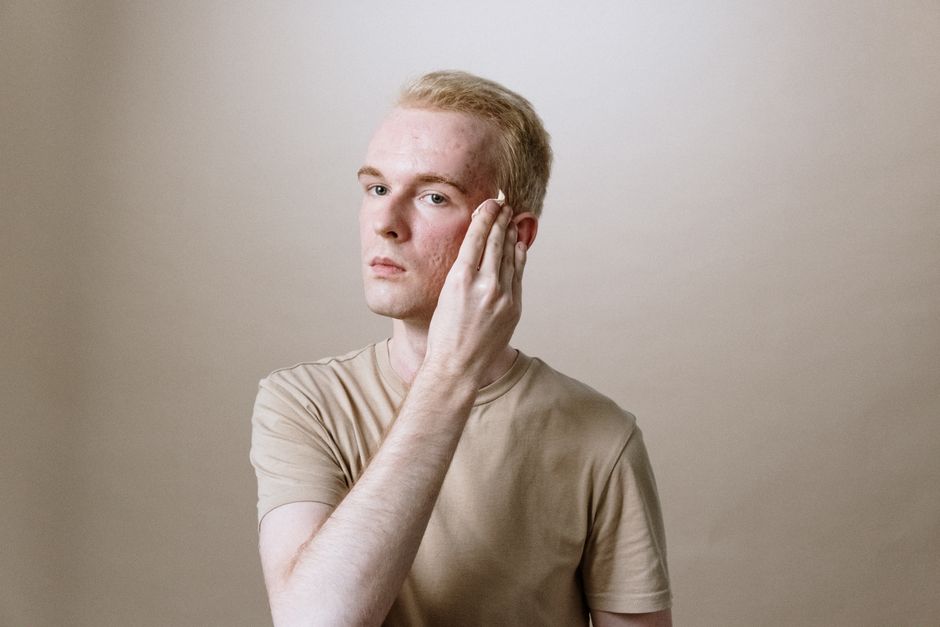
Rosacea is not a form of acne. They are two separate skin conditions with different causes, different mechanisms, and different treatments. The confusion happens because both can produce red bumps and blemishes on the face, and because one subtype of rosacea looks a lot like acne at a glance. But treating one as if it were the other can make things worse, sometimes significantly.
Is Rosacea A Form Of Acne Key Differences Explained
The two conditions are distinct in ways that matter for anyone trying to figure out what is happening on their skin.
Acne is a disorder of the pilosebaceous unit — the hair follicle and its attached oil gland. It develops when dead skin cells and excess oil plug the follicle. A bacterium called Cutibacterium acnes (formerly Propionibacterium acnes) can multiply in that blocked environment, and the immune system responds with inflammation. That chain produces the familiar blackheads, whiteheads, and deeper cysts.
Rosacea is primarily a vascular and inflammatory condition. It involves abnormal blood vessel behavior in the face, an overactive innate immune response, and in some cases an overgrowth of skin mites called Demodex. There is no follicle plugging. There are no blackheads or whiteheads. The bumps in rosacea are inflammatory papules and pustules, but they arise from a different process entirely.
That difference in mechanism is why acne treatments can backfire on rosacea. Benzoyl peroxide, salicylic acid, and other common acne ingredients can strip and irritate rosacea-prone skin, triggering flares rather than calming them.
How Can You Tell Rosacea And Acne Apart
Location and lesion type are the most reliable visual clues.
Acne tends to appear where oil glands are densest: the forehead, nose, chin, and sometimes the back and chest. It produces blackheads and whiteheads — open and closed comedones — which are the hallmark of the condition. Inflammatory acne adds red papules and pustules, and severe cases produce nodules and cysts.
Rosacea centers on the central face: the cheeks, nose, chin, and central forehead. It does not produce blackheads or whiteheads. Instead, it causes persistent redness, flushing, visible blood vessels (telangiectasia), and inflammatory bumps that look like acne but are not comedonal. Some people with rosacea also experience eye involvement — burning, grittiness, dryness, or a sensation of something in the eye.
Key visual differences at a glance
- Blackheads and whiteheads: Present in acne, absent in rosacea
- Persistent facial redness: Common in rosacea, not typical in acne
- Visible blood vessels: Characteristic of rosacea, not acne
- Flushing and blushing: A core rosacea feature, not an acne symptom
- Location: Acne favors oily zones; rosacea centers on cheeks and nose
- Eye symptoms: Occur in some rosacea cases, not in acne
It is possible to have both conditions at the same time. That overlap is one reason diagnosis can be tricky and why a dermatologist’s assessment matters.
What Causes Rosacea And Is It The Same As Acne
The causes are not the same. Acne has a well-understood mechanism centered on follicle plugging, oil production, bacterial activity, and inflammation. Rosacea’s mechanism is less fully mapped, but research points to a combination of genetic predisposition, immune dysregulation, vascular instability, and environmental triggers.
In rosacea, the innate immune system appears to overreact to certain stimuli. One pathway involves cathelicidins, antimicrobial peptides that in rosacea are present in abnormal forms and higher amounts. These peptides promote inflammation and blood vessel growth. Ultraviolet light, heat, and certain microbes can activate this pathway.
Demodex mites, which live in hair follicles on most human skin, are found in higher numbers on rosacea-affected skin. Whether they are a cause, a consequence, or a bystander is still debated. Some treatments that reduce mite populations also improve rosacea symptoms, which suggests they play at least a contributing role in some cases.
Acne’s relationship to C. acnes is more direct. The bacterium colonizes blocked follicles and drives inflammation. But even here, the picture is not simple — not everyone with C. acnes on their skin develops acne, and the immune response varies between individuals.
What is clear: the two conditions do not share a root cause. Rosacea is not acne that has gone untreated or taken a different form.
Why Does Rosacea Get Mistaken For Acne
Papulopustular rosacea — one of the four recognized subtypes — produces red bumps and pus-filled lesions on the face. That appearance overlaps with inflammatory acne. Without close inspection for comedones, the two can look similar, especially in photos or from a distance.
Another factor is age. Acne is most common in teenagers and young adults, but it can persist into the 30s, 40s, and beyond. Rosacea typically begins after age 30. When someone in their 40s develops bumps on their cheeks, it is easy to assume it is adult acne when it may actually be rosacea.
There is also a tendency to call any facial bump “acne” in everyday language. That habit blurs the line between conditions that are clinically distinct. A dermatologist can usually tell them apart by looking for comedones, assessing redness patterns, and asking about flushing and triggers.
How Do Treatments Differ For Rosacea And Acne
Because the conditions differ, so do the treatments. Using acne products on rosacea can irritate the skin and worsen redness. Using rosacea treatments on acne will not clear comedones.
| Treatment Category | Acne | Rosacea |
|---|---|---|
| Topical retinoids | First-line for comedonal and inflammatory acne | Sometimes used, but requires careful selection and gradual introduction |
| Benzoyl peroxide | Common and effective | Often too irritating; generally avoided |
| Salicylic acid | Common for mild acne | Can irritate rosacea-prone skin |
| Oral antibiotics | Used for moderate to severe inflammatory acne | Used for papulopustular rosacea, often at anti-inflammatory doses |
| Isotretinoin | Reserved for severe, treatment-resistant acne | Sometimes used off-label for severe rosacea |
| Metronidazole (topical) | Not a standard acne treatment | FDA-approved for rosacea |
| Ivermectin (topical) | Not a standard acne treatment | FDA-approved for papulopustular rosacea |
| Laser and light therapy | Sometimes used for acne scarring | Used for persistent redness and visible blood vessels |
This table is a general guide, not a prescription. Treatment decisions depend on severity, subtype, skin sensitivity, and other individual factors. What works for one person may not work for another.
One important point: some treatments overlap. Certain antibiotics, for example, are used in both conditions because they reduce inflammation, not just because they kill bacteria. But the reasoning behind their use differs, and the doses may differ too.
Can You Have Rosacea And Acne At The Same Time
Yes. The two conditions can coexist. A person may have comedonal acne on their chin and rosacea-related redness and bumps on their cheeks. When that happens, treatment needs to address both without aggravating either.
This is where self-diagnosis and one-size-fits-all skincare routines tend to fail. Acne products strong enough to clear comedones may be too harsh for rosacea-affected areas. A dermatologist can tailor a plan that treats each condition appropriately.
It is also worth noting that some medications used for acne can trigger rosacea flares in susceptible people. This does not mean those medications cause rosacea, but they can unmask or worsen it. If you notice increased redness or flushing after starting a new acne treatment, that is worth discussing with a clinician.
What Triggers Rosacea Flares And Does Acne Have The Same Triggers
Rosacea triggers are well-documented anecdotally and supported by varying levels of evidence. Common ones include sun exposure, heat, spicy foods, alcohol (especially red wine), and emotional stress. These triggers cause flushing and can worsen redness and bumps over time.
Acne triggers are different. While diet and stress can influence acne in some people, the primary drivers are hormonal changes, certain medications, and comedogenic skincare products. Sun exposure can actually improve acne temporarily by reducing inflammation, though it worsens hyperpigmentation and does not address the underlying cause.
The overlap in triggers is minimal. Stress appears on both lists, but the mechanisms differ. In rosacea, stress likely acts through vascular and immune pathways. In acne, stress may influence hormone levels and inflammation, though the evidence is not as strong as often claimed.
If you have rosacea, identifying and avoiding your personal triggers can reduce flare frequency. That is not a cure, but it is a meaningful part of management. Keeping a symptom diary can help spot patterns.
When Should You See A Dermatologist
If you are unsure whether you have acne or rosacea, see a dermatologist. The distinction matters because the wrong treatment can make things worse.
Signs that suggest rosacea rather than acne include persistent facial redness, flushing, visible blood vessels, and bumps without blackheads or whiteheads. Eye symptoms — burning, grittiness, or redness — also point toward rosacea and warrant evaluation.
Signs that suggest acne include blackheads, whiteheads, and lesions concentrated in oily zones. If over-the-counter acne treatments are not working after a reasonable trial, or if they are causing irritation, that is another reason to seek professional input.
A dermatologist can usually diagnose based on visual inspection and history. In some cases, they may rule out other conditions that mimic rosacea, such as lupus or seborrheic dermatitis. Proper diagnosis is the first step toward effective treatment.
Frequently Asked Questions
Is rosacea a type of acne?
No. Rosacea and acne are separate conditions with different causes and treatments. Rosacea involves vascular and inflammatory processes, while acne involves blocked hair follicles and oil glands.
Can acne turn into rosacea?
No. Acne does not become rosacea. However, some acne treatments can irritate rosacea-prone skin and trigger flares, which may make it seem like one condition turned into another.
How do I know if I have rosacea or acne?
Look for blackheads and whiteheads — these indicate acne, not rosacea. Rosacea typically causes redness, flushing, and bumps without comedones, often centered on the cheeks and nose.
Can you have both rosacea and acne?
Yes. It is possible to have both conditions at the same time. A dermatologist can help create a treatment plan that addresses each without worsening the other.
