
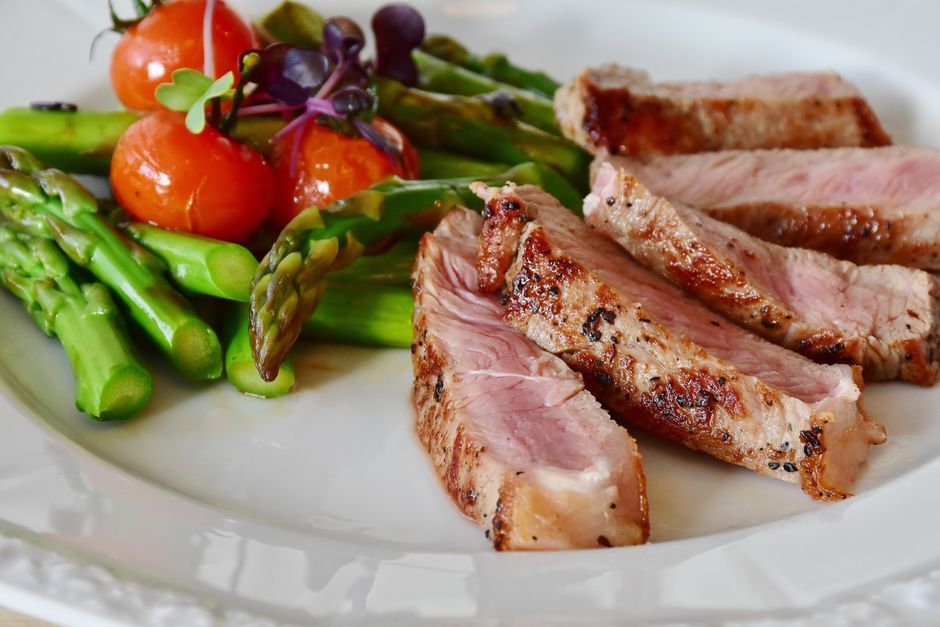
Roast beef sits in a strange spot on the dinner table. It is the centerpiece of Sunday dinners and holiday meals, yet it also shows up in sliced form on deli sandwiches that nutritionists often lump in with processed meats. So which is it?
The short answer: roast beef can be a genuinely healthy source of protein, iron, and zinc. Whether it is healthy in practice depends almost entirely on how it is prepared, how much you eat, and what else is on the plate. A lean home-roasted cut is a different food, nutritionally, from salty deli roast beef loaded with preservatives.
Is Roast Beef Healthy?
Yes, with conditions. Roast beef is a nutrient-dense meat. It delivers high-quality protein, heme iron, zinc, and vitamin B12 in a form the body absorbs efficiently.
The problems come from three places: saturated fat in fattier cuts, sodium in commercially prepared and deli versions, and the cooking method itself. A lean cut roasted at home and eaten in reasonable portions is a solid part of a balanced diet. A pile of processed deli roast beef on white bread is a different story.
One clarification worth making: roast beef and processed deli roast beef are not treated the same way in nutrition research. When studies link processed meat to health risks, they are usually talking about meats that have been cured, smoked, salted, or treated with preservatives. A plain beef roast you cook yourself is not processed meat in that technical sense.
What Nutrients Does Roast Beef Provide?
Beef is one of the most nutrient-dense foods in the typical American diet. A 3-ounce serving of lean roasted beef provides roughly 22 to 25 grams of complete protein, meaning it contains all nine essential amino acids the body cannot make on its own.
It is also a strong source of several nutrients that are hard to get from plant foods in the same form:
- Heme iron — the type of iron the body absorbs most easily. Plant foods contain non-heme iron, which is absorbed less efficiently.
- Zinc — involved in immune function, wound healing, and cell division.
- Vitamin B12 — found naturally almost only in animal foods. It is needed for nerve function and red blood cell formation.
- Selenium — supports thyroid function and acts as an antioxidant.
- Niacin and vitamin B6 — both involved in converting food into usable energy.
For people who struggle with iron deficiency — a common issue for menstruating women and some older adults — beef is one of the most efficient dietary sources of absorbable iron. That is a real nutritional advantage, not a marketing line.
How Do Different Cuts of Roast Beef Compare?
Not all roast beef is created equal. The cut of beef you choose changes the fat content substantially, and that in turn changes the calorie and saturated fat load.
Here is a general comparison of lean versus fattier cuts, based on USDA nutritional data for cooked, roasted beef:
| Cut | Fat Profile | General Notes |
|---|---|---|
| Eye of round | Very lean | One of the leanest roasting cuts |
| Sirloin tip | Lean | Good balance of flavor and leanness |
| Top round | Lean | Common for deli-style slicing |
| Bottom round | Moderately lean | Slightly more fat than top round |
| Ribeye roast | Higher fat | Rich flavor, more saturated fat |
| Prime rib | High fat | Highest fat and calorie content |
The leanest cuts can have a fat content several times lower than fatty cuts like prime rib. If you are watching saturated fat or calories, the cut matters more than almost anything else you do in the kitchen.


Is Deli Roast Beef as Healthy as Home-Roasted?
No. Deli and packaged roast beef is usually a different product from what you roast at home, and the differences are meaningful.
Commercial deli roast beef is typically cured or treated with sodium solutions, phosphates, and preservatives. This raises the sodium content considerably — a single deli sandwich can carry a large share of the daily sodium limit recommended in US dietary guidelines, which is 2,300 milligrams per day for most adults.
The World Health Organization’s cancer research agency classifies processed meat as a Group 1 carcinogen, meaning there is sufficient evidence linking it to colorectal cancer. This classification applies to processed meats such as bacon, sausage, hot dogs, and many deli meats. It does not apply to fresh, unprocessed beef that you cook yourself.
Some deli roast beef is labeled as minimally processed, but the term is not tightly regulated. Reading the ingredient list is more reliable than trusting the front label. If sodium, phosphates, or preservatives appear, you are eating something closer to processed meat than to a home roast.
Does Roast Beef Fit Into a Healthy Diet?
It can. Lean beef fits into most established eating patterns, including Mediterranean-style diets and the US Dietary Guidelines, as part of a varied diet.
The bigger question is how it fits alongside everything else. A few practical points:
- Portion size matters. A standard serving of cooked meat is about 3 ounces — roughly the size of a deck of cards. Many restaurant portions are two to three times that.
- What you eat with it matters. Roast beef on a plate with vegetables and whole grains is a different meal than roast beef on a white roll with fries.
- Frequency matters. Eating red meat a few times a week is different from eating it daily, especially if much of it is processed.
Research on red meat and health is genuinely mixed and often confounded. People who eat a lot of red meat also tend to eat fewer vegetables, exercise less, and smoke more — factors that are hard to untangle from the meat itself. Observational studies can show associations, but they cannot prove that red meat alone causes a specific outcome. That uncertainty is worth holding onto rather than treating every headline as settled.
What Is the Healthiest Way to Cook and Serve Roast Beef?
How you cook roast beef affects both its nutritional profile and its safety. High-temperature cooking methods that char or blacken meat produce compounds that some research has linked to health concerns, though the human evidence is not definitive.
General approaches that reduce these compounds include:
- Roasting at moderate temperatures rather than grilling or pan-searing at very high heat
- Avoiding heavy charring or blackening
- Using a meat thermometer to cook to a safe internal temperature without overcooking
For food safety, ground beef should reach 160°F, while whole cuts of beef like roasts should reach at least 145°F followed by a three-minute rest. These are established USDA food safety guidelines.
For serving, pairing roast beef with vegetables, legumes, or whole grains adds fiber and nutrients that beef lacks. Vitamin C from foods like peppers or citrus can also improve absorption of the iron in the meat.
One honest note on doneness: some people prefer roast beef rare or medium-rare. That is a personal choice, but for anyone pregnant, immunocompromised, or in a higher-risk group, food safety guidance leans toward cooking whole cuts to at least 145°F to reduce the risk of foodborne illness.
Are There Health Risks to Eating Roast Beef?
Yes, and they are worth understanding clearly rather than dismissing or exaggerating.
The strongest evidence concerns processed meat, not fresh roast beef. The WHO classification of processed meat as a Group 1 carcinogen is based on sufficient evidence linking it to colorectal cancer. Fresh red meat is classified as Group 2A, meaning it is probably carcinogenic — a weaker level of evidence.
For saturated fat, the picture is more nuanced. Fattier cuts of roast beef are high in saturated fat, and US dietary guidelines recommend limiting saturated fat to less than 10 percent of daily calories. Choosing lean cuts keeps this in check.
For sodium, the concern is mostly with deli and packaged versions. Home-roasted beef with minimal added salt is naturally low in sodium.
There is no strong evidence that lean, unprocessed roast beef eaten in reasonable amounts is harmful for most healthy adults. The evidence for harm is strongest for processed meat and for very high intakes of red meat overall.
Frequently Asked Questions
Is roast beef healthy for weight loss?
Lean roast beef can support weight loss because it is high in protein, which helps with satiety. Fattier cuts and deli versions are higher in calories and sodium, which can work against weight goals.
Is deli roast beef considered processed meat?
Most deli and packaged roast beef is processed meat because it is cured, salted, or treated with preservatives. This is the category linked to increased colorectal cancer risk in major reviews.
How much roast beef is safe to eat per week?
There is no single established weekly limit for fresh roast beef. US dietary guidelines and cancer-prevention organizations generally suggest limiting red meat and keeping processed meat intake low, but specific amounts vary by individual health status.
Is roast beef high in cholesterol?
Beef contains cholesterol, but for most people dietary cholesterol has less effect on blood cholesterol than saturated fat does. Lean cuts are lower in both.
