
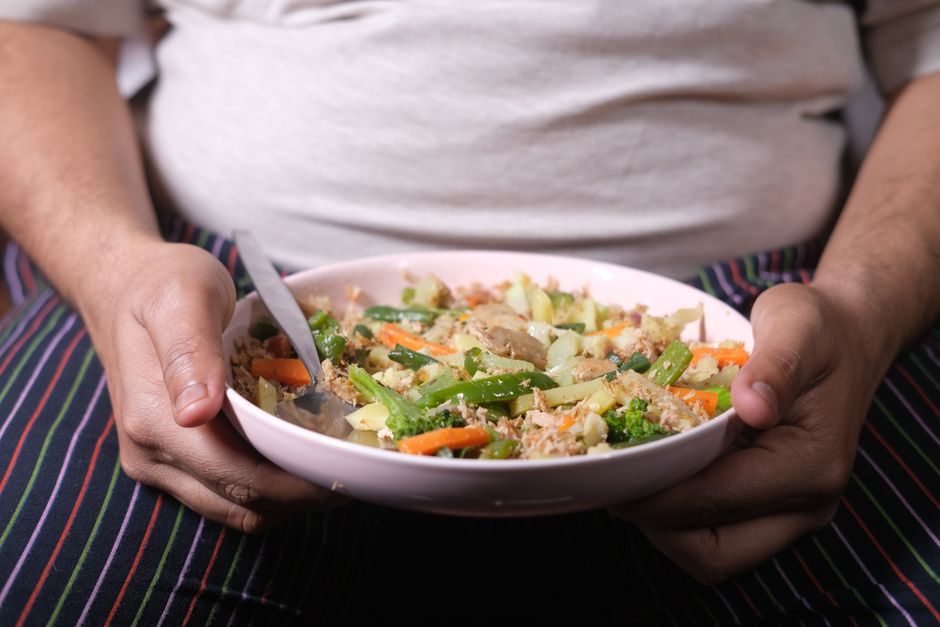
Risotto is a creamy Italian rice dish made by slowly adding warm broth to short-grain rice and stirring until it releases starch. Whether it is good for you depends almost entirely on what goes into it. The rice itself is a refined carbohydrate with little fiber, but the broth, vegetables, protein, and fat you add shape the final nutrition far more than the rice does.
There is no single answer to whether risotto is healthy. A version loaded with butter, cream, and cheese is a rich, calorie-dense dish. A version built on a light broth with vegetables and lean protein can fit comfortably into a balanced diet. The difference is in the ingredients, not the method.
Is Risotto Good For You Nutrition And Health Facts?
The base of risotto is white short-grain rice, and that matters for its nutrition. White rice has had its bran and germ removed during milling. That process strips away most of the fiber, B vitamins, and minerals that whole-grain rice retains.
What remains is mostly starch. A cup of cooked white rice provides roughly 200 calories and about 45 grams of carbohydrate, with only around 1 gram of fiber. Short-grain varieties like Arborio, Carnaroli, and Vialone Nano are used for risotto because their high starch content creates the signature creaminess. That same starch is why risotto has a higher glycemic impact than a whole-grain dish of similar size.
The glycemic index of white rice is generally high compared with whole grains. This means it raises blood sugar relatively quickly. For most healthy people that is not a problem on its own. For people managing diabetes or insulin resistance, it is a factor worth understanding.
Here is where the dish gets more interesting. Risotto is rarely just rice. The broth, cheese, butter, olive oil, wine, vegetables, and protein all change the nutrition substantially. A risotto made with a cup of vegetables, a lean protein, and a modest amount of Parmesan is a very different food from one made with heavy cream and a stick of butter.
How Many Calories Are In A Typical Serving Of Risotto?
Calories in risotto vary widely because the recipe varies widely. Restaurant portions tend to be larger and richer than what most people make at home, so the numbers can be much higher than expected.
A basic risotto made with rice, broth, a small amount of butter, and Parmesan might land around 350 to 450 calories per cup. Add cream, a generous pour of olive oil, or a large amount of cheese and that figure climbs. A restaurant serving with seafood, meat, or truffle oil can easily exceed 600 to 700 calories in a single plate.
The table below shows approximate values for a one-cup serving. These are general ranges, not exact figures, because recipes differ so much.
| Ingredient focus | Approx. calories per cup | Main nutrition note |
|---|---|---|
| Plain rice, broth, light Parmesan | 350–450 | Mostly refined carbohydrate |
| Added butter and cream | 500–650 | Higher in saturated fat |
| With vegetables and lean protein | 400–550 | More fiber and protein |
| Restaurant seafood or meat risotto | 600–700+ | Large portions, added fats |
The takeaway is simple. The rice sets a baseline, but the fat and cheese you add drive most of the calorie and saturated fat content.
Does Risotto Have Any Nutritional Benefits?
Risotto is not a nutritional powerhouse on its own, but it is a flexible base that can carry genuinely nutritious ingredients. That flexibility is its main strength.
When you build risotto with a low-sodium broth, plenty of vegetables, and a lean protein, you add fiber, vitamins, and protein that plain white rice lacks. Mushrooms, peas, spinach, asparagus, and squash all work well and add nutrients. Shrimp, chicken, beans, or lentils raise the protein content.
Parmesan and other aged cheeses add protein and calcium along with fat and sodium. Olive oil provides monounsaturated fat. None of these turn risotto into a health food by themselves, but they make it a reasonable part of a varied diet.
One point worth being honest about. The slow-stirring method does not change the nutrition of the rice. It changes the texture. The creaminess comes from starch released during cooking, not from any added nutritional benefit. Some people assume the traditional method makes the dish healthier. It does not.





What Are The Downsides Of Eating Risotto Often?
The main concerns with frequent risotto are refined carbohydrate content, saturated fat, sodium, and calories. How much each matters depends on the recipe and how often you eat it.
Because the base is white rice, risotto is low in fiber and can spike blood sugar more than whole-grain dishes. People with type 2 diabetes or prediabetes may want to watch portion size and pair it with protein and vegetables to slow digestion.
Butter, cream, and cheese are common in traditional recipes. These add saturated fat and sodium. The American Heart Association has long recommended limiting saturated fat, and many health organizations suggest keeping sodium intake moderate. A rich risotto can contribute meaningfully to both.
Portion size is another factor. Risotto is calorie-dense and easy to overeat, especially at restaurants where servings are large. A single restaurant plate can carry more calories than many people expect from a rice dish.
None of this makes risotto a bad food. It means the dish deserves the same attention you would give any rich, starch-based meal.
How Can You Make Risotto Healthier?
You can make risotto noticeably healthier without giving up what makes it good. The method stays the same. The ingredients change.
- Use a low-sodium broth or homemade stock to cut salt.
- Reduce butter and skip cream. A small amount of Parmesan still adds flavor.
- Add two or more cups of vegetables for fiber and nutrients.
- Include a lean protein like chicken, shrimp, white fish, or beans.
- Use olive oil in place of some butter for unsaturated fat.
- Keep portions to about one cup and pair with a large salad.
- Try brown rice or barley risotto for more fiber, though the texture will differ.
Whole-grain versions are worth mentioning with a caveat. Brown short-grain rice and barley can be used, and they add fiber. They do not produce the same creamy texture because their starch behaves differently. The result is still good, just not traditional.
Adding vegetables and protein does more than improve nutrition. It slows how quickly you eat and helps you feel full, which naturally limits how much rice you consume.
Who Should Be Careful With Risotto?
Most people can eat risotto as part of a balanced diet. Some people have specific reasons to pay closer attention.
People with diabetes or insulin resistance should watch portion size and pair risotto with protein, fat, and fiber to blunt the blood sugar response. White rice has a high glycemic index, and risotto is mostly white rice.
Anyone watching saturated fat or sodium should note that traditional recipes can be high in both. People with high blood pressure or high cholesterol may want to modify the recipe as described above.
People who are sensitive to gluten should know that plain risotto made with rice and broth is naturally gluten-free. However, some broths and added ingredients may contain gluten. Check labels if this matters to you.
If you are managing a health condition and are unsure how risotto fits, a registered dietitian or your doctor can give guidance based on your situation.
Is Risotto Healthier Than Pasta Or Other Rice Dishes?
Risotto is not meaningfully healthier or less healthy than pasta or plain rice. All three are refined carbohydrate bases, and their nutrition depends on what you serve with them.
A cup of cooked pasta and a cup of cooked white rice land in a similar calorie range. Risotto often carries more fat and calories because of the butter and cheese traditionally added during cooking, while pasta and plain rice are usually cooked without those additions.
The comparison that matters is not risotto versus pasta. It is a vegetable-rich, protein-added risotto versus a cream-heavy one. That difference is larger than the difference between rice and pasta.
Frequently Asked Questions
Is risotto healthy or unhealthy?
Risotto is neither inherently healthy nor unhealthy. Its nutrition depends on the ingredients, since the white rice base is low in fiber and the butter, cream, and cheese often added raise the fat and calorie content.
Is risotto high in carbs?
Yes, risotto is high in carbohydrates because its base is white rice, which is mostly starch. A one-cup serving provides roughly 45 grams of carbohydrate, most of it from refined rice.
Can diabetics eat risotto?
People with diabetes can eat risotto, but portion size matters because white rice has a high glycemic index and can raise blood sugar quickly. Pairing it with protein, vegetables, and fat can slow that response.
Is risotto gluten-free?
Plain risotto made with rice and broth is naturally gluten-free. Some broths and added ingredients may contain gluten, so check labels if you need to avoid it.
