
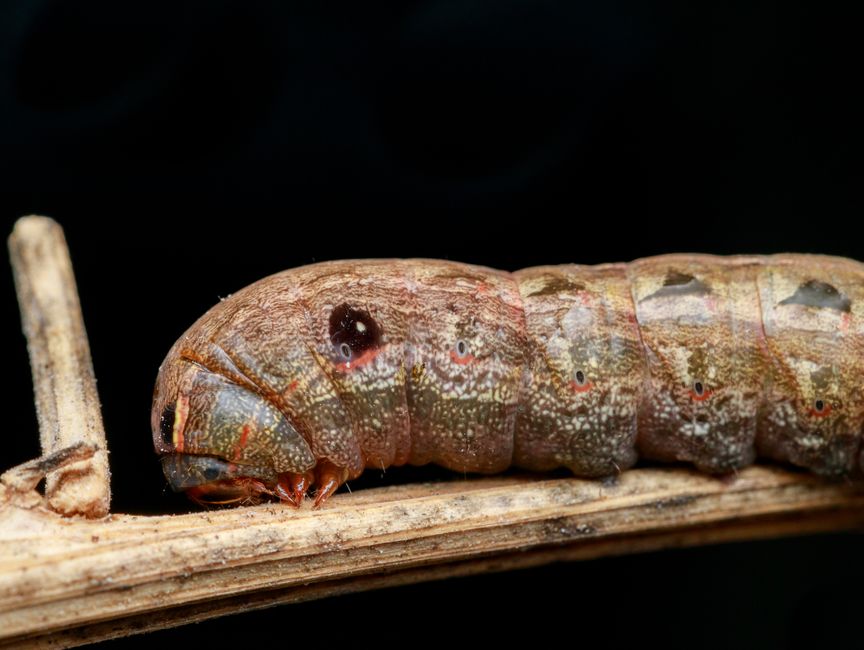
Ringworm has nothing to do with worms. Despite the name, ringworm is a fungal infection of the skin, hair, or nails. The name comes from the ring-shaped rash it often creates, not from any actual worm living under your skin. The medical term for the condition is tinea, and it is caused by a group of fungi called dermatophytes that feed on keratin, the protein found in skin, hair, and nails.
Why Is It Called Ringworm If It Is Not a Worm?
The name is a historical mistake. Centuries ago, people believed the circular rash was caused by a worm burrowing under the skin. The rash does look like a worm curled into a circle, so the name stuck long after the real cause was identified.
In the 1800s, scientists discovered that fungi, not worms, cause the infection. The name ringworm remained in everyday language, but doctors use the term tinea. Different forms of tinea are named for the body part they affect. Tinea corporis is ringworm on the body, tinea pedis is athlete’s foot, and tinea capitis is ringworm of the scalp.
The fungi responsible are called dermatophytes. These organisms live on keratin and do not survive on living tissue deep inside the body. They stay on the surface layers of the skin, which is why the infection is treatable with topical or oral antifungal medications.
What Does Ringworm Look Like?
Ringworm typically appears as a flat, scaly patch with a raised, red border. The center of the patch often clears up, leaving a ring shape. The border may be bumpy or blister-like, and the area inside the ring can look normal or slightly scaly.
Not every case looks like a perfect ring. Some infections produce multiple overlapping rings. Others appear as irregular scaly patches without a clear circle. On dark skin, the rash may look brown or gray rather than red. The affected skin can itch, but itching is not always present.
Ringworm on the scalp is different. It can cause scaly patches, broken hairs, or small black dots where hairs have snapped off. Some scalp infections cause a swollen, painful area called a kerion, which can be mistaken for a bacterial infection. Scalp ringworm requires oral medication because topical creams cannot penetrate the hair follicles deeply enough.
How Do You Get Ringworm?
Dermatophyte fungi spread through direct contact. You can catch it from an infected person, an infected animal, or a contaminated surface. The fungi survive on objects like towels, combs, gym mats, and shower floors for long periods.
Warm, moist environments help the fungi thrive. Shared locker rooms, swimming pools, and gym equipment are common places to pick up the infection. Pets, especially cats and dogs, can carry the fungus without showing obvious symptoms. Farm animals such as cattle and horses can also transmit it.
Some people are more susceptible than others. Minor cuts, scrapes, or abrasions make it easier for the fungus to enter the skin. Prolonged wetness from sweating or wearing damp clothing increases risk. People with weakened immune systems may develop more severe or widespread infections.
You cannot catch ringworm from a worm, and you cannot get it from touching a worm in the soil. The only way to contract it is through exposure to the fungus itself.





Is Ringworm Contagious?
Ringworm is contagious. It spreads through skin-to-skin contact with an infected person or animal. It also spreads indirectly when someone touches a contaminated object or surface that an infected person has used.
The contagious period lasts as long as live fungus remains on the skin. Once treatment begins, the risk of spreading drops, but it does not disappear immediately. Most people are considered no longer contagious after 48 hours of starting effective antifungal treatment, though the rash may take weeks to fully clear.
You can spread ringworm before you notice any symptoms. The incubation period, the time between exposure and visible rash, ranges from four to fourteen days for most forms. During this window, you may already carry the fungus on your skin.
Children are common carriers because they have close contact in schools and daycare settings. Sharing hats, hairbrushes, pillows, or sports equipment can transmit the fungus. Pets can reinfect people in the same household, so treating the animal is necessary to break the cycle.
How Is Ringworm Treated?
Most ringworm infections on the body respond to over-the-counter antifungal creams. Clotrimazole, miconazole, and terbinafine are common active ingredients. These medications work by damaging the fungal cell membrane, which kills the organism.
Apply the cream to the rash and a small margin of healthy skin around it. Continue treatment for one to two weeks after the rash disappears. Stopping early can allow the fungus to regrow, which is why many infections seem to return.
Ringworm on the scalp or nails does not respond to topical creams alone. Oral antifungal medications are required because the infection sits deep within hair follicles or under the nail plate. These are prescription drugs that a doctor must evaluate and monitor.
Over-the-counter products labeled for athlete’s foot work for ringworm on the body because the same fungi cause both conditions. However, if the rash does not improve after two weeks of consistent treatment, see a doctor. Some skin conditions, including eczema and psoriasis, can look similar to ringworm but require different treatment.
How Can You Prevent Ringworm?
Prevention focuses on reducing exposure to the fungus and keeping skin dry. After using public showers, pools, or gyms, dry your skin completely. Fungi survive poorly on dry skin, so moisture control is your best defense.
Do not share personal items that touch skin. Towels, washcloths, combs, brushes, hats, and athletic gear can all carry the fungus. If someone in your household has ringworm, wash their linens and clothes in hot water with detergent.
Check pets for bald patches or scaly skin, especially if they spend time outdoors. A veterinarian can test and treat animals that may carry the fungus. Treating the pet prevents reinfection of family members.
If you have ringworm, avoid scratching the rash. Scratching can spread the fungus to other parts of your body and can cause secondary bacterial infections. Keep the area clean and covered if possible, especially when around others.
When Should You See a Doctor?
See a doctor if the rash does not improve after two weeks of over-the-counter treatment. Also seek medical care if the rash spreads rapidly, becomes painful, or shows signs of bacterial infection such as oozing, yellow crusting, or increasing redness.
Scalp ringworm always requires a doctor visit. It does not resolve with over-the-counter creams, and untreated scalp infections can lead to permanent hair loss. A doctor can prescribe an oral antifungal and may recommend a medicated shampoo to reduce spread.
People with weakened immune systems, including those with diabetes, HIV, or on immunosuppressive medications, should seek medical advice early. Their infections can be more severe and may require prescription-strength treatment.
Ringworm is not a medical emergency. It is uncomfortable and contagious but rarely dangerous. With proper treatment, most infections clear completely without lasting effects.
Frequently Asked Questions
Can ringworm turn into a worm?
No. Ringworm is a fungal infection and cannot turn into a worm or any other animal parasite. The name describes the circular appearance of the rash, not its cause.
Can you get ringworm from a worm?
No. Worms do not carry or transmit the fungi that cause ringworm. You can only get ringworm from contact with an infected person, animal, or contaminated surface.
How long does ringworm take to go away?
With proper treatment, most body ringworm infections clear within two to four weeks. Scalp infections treated with oral medication may take six to eight weeks or longer to resolve.
Does ringworm mean you have poor hygiene?
No. Anyone can get ringworm regardless of cleanliness. The fungus spreads through contact, and factors like shared spaces, pets, and minor skin injuries play a larger role than hygiene habits.
