
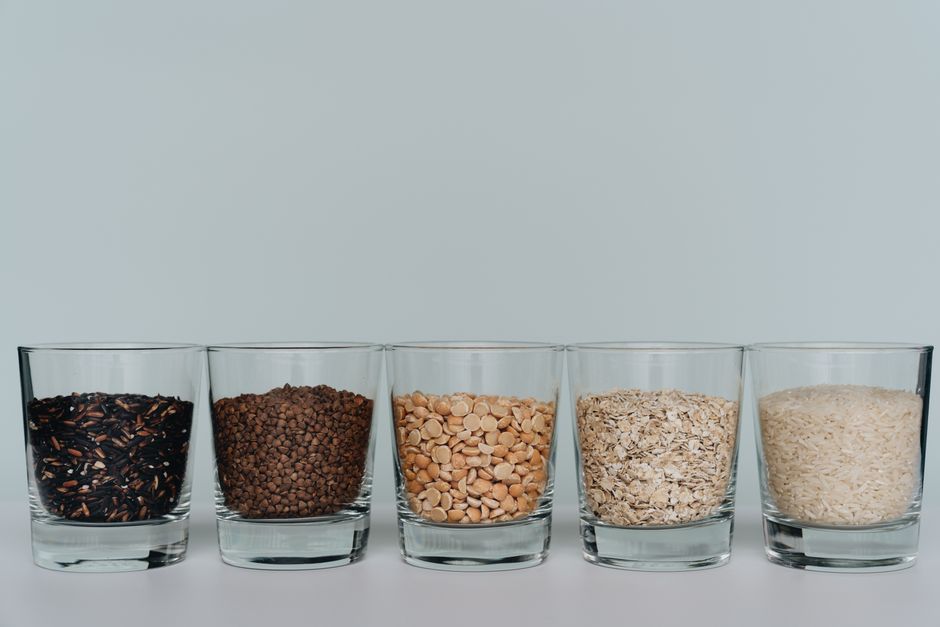
Rice is one of the oldest foods used during diarrhea, and it remains one of the few home remedies that doctors still broadly accept. Plain white rice is easy to digest, low in fiber, and helps firm up loose stool. It does not stop the underlying cause of diarrhea, and it will not fix dehydration on its own. But as a gentle food that is easy on a sore gut, it has earned its place.
Is Rice Good For Diarrhea What The Evidence Says
The evidence supports rice as a helpful food during diarrhea, but not as a treatment. It is a mild, low-fiber starch that is easy to digest and unlikely to make diarrhea worse.
Rice has been part of diarrhea management for decades. It appears in the BRAT diet, a short list of bland foods — bananas, rice, applesauce, and toast — that clinicians have long suggested during recovery from stomach upset. BRAT is not a cure and is no longer pushed as strongly as it once was, because it lacks protein and fat and is not a complete diet. But rice itself has held up well.
What rice does is provide calories from starch without much fiber or fat. During diarrhea, the gut lining is irritated and the normal absorption of water and nutrients is disrupted. Foods that are low in fiber and low in fat tend to pass through more gently. Rice fits that description.
What rice does not do is replace fluids, replace electrolytes, or treat an infection. Those jobs belong to oral rehydration solutions and, in some cases, medical care. Rice is a supporting player, not the main one.
Why Does Rice Help Firm Up Stool?
Rice is mostly starch, and starch behaves differently in the gut than fiber does. Fiber adds bulk and can speed transit through the intestines, which is the opposite of what you want during diarrhea. Rice has very little fiber, especially white rice, so it does not push things along.
Rice also absorbs water as it cooks and continues to hold some of that water in the gut. That can help stool become less watery. This is a physical effect, not a drug-like one. It will not stop diarrhea, but it can make the stool slightly firmer.
White rice is lower in fiber than brown rice. During active diarrhea, that is usually the better choice. Brown rice has more fiber and more nutrients, which is generally good — but during a bout of diarrhea, the extra fiber can be counterproductive. Once things settle, brown rice is fine.
One clarifying point that often gets lost: rice water, the cloudy liquid left after boiling rice, has been studied as a home rehydration aid in some settings. It contains some starch and a small amount of electrolytes. It is not equivalent to a proper oral rehydration solution, which is formulated with specific amounts of sodium and glucose. Rice water can be part of fluid intake, but it should not be the only thing a person drinks during significant diarrhea.
What Kind Of Rice Should You Eat?
Plain white rice is the usual choice during diarrhea. It is low in fiber, mild in flavor, and easy to prepare in a way that does not irritate the gut.
How it is prepared matters as much as the type:
- Plain, without butter, oil, or heavy sauces
- Cooked until soft, not al dente
- Served warm or at room temperature, not ice cold
- No added spices, hot sauce, or creamy sauces
Some people do fine with a little salt. Salt helps replace some of the sodium lost through diarrhea, though it is not a substitute for a proper rehydration drink.
Rice porridge, sometimes called congee, is a common choice in many cultures. It is rice cooked with a lot of water until it breaks down into a soft, soupy consistency. It is easy to swallow and easy on the stomach. It is a reasonable option, especially for someone who does not feel like eating solid food.
Fried rice, rice with cheese, and rice dishes with rich sauces are not good choices during diarrhea. The added fat and dairy can make things worse, especially if there is any degree of lactose intolerance, which is common during and after a gut infection.
Does Rice Replace Lost Fluids And Electrolytes?
No. Rice is a food, not a rehydration solution. This is the most important limitation to understand.
Diarrhea causes the body to lose water and electrolytes — mainly sodium, potassium, chloride, and bicarbonate. Plain water replaces some of the water but none of the electrolytes. Rice replaces some calories and a small amount of potassium and other minerals, but not enough to correct a real electrolyte imbalance.
Oral rehydration solution, often called ORS, is the standard for replacing both fluids and electrolytes. It is available as a powder to mix with clean water, and it is also sold as ready-to-drink liquids. The World Health Organization has long promoted ORS as a low-cost, life-saving treatment for diarrheal dehydration, and it remains the standard of care.
Rice can be eaten alongside ORS. It does not replace it. If diarrhea is frequent, severe, or lasting more than a day or two, fluids and electrolytes are the priority, not food.
Signs of dehydration that need attention include:
- Dry mouth and throat
- Dark yellow urine or urinating much less than usual
- Dizziness or lightheadedness when standing
- Fatigue or weakness that is getting worse
- In children, sunken eyes, no tears when crying, or unusual sleepiness
These are reasons to seek medical care, not to eat more rice.
When Should Rice Not Be The Answer?
Rice is not appropriate as the main response to several situations. Knowing when to stop relying on food and get medical help matters more than any home remedy.
Seek medical care if diarrhea is bloody or black, if there is a high fever, if there is severe abdominal pain, or if symptoms last more than a couple of days in an adult. In infants, young children, older adults, and anyone who is immunocompromised or pregnant, the threshold for seeking care is lower. Dehydration can develop faster in these groups.
Rice will not treat a bacterial or parasitic infection. Some diarrheal illnesses require antibiotics or other specific treatment, and no food will substitute for that. It also will not help diarrhea caused by a medication side effect, which sometimes needs a change in prescription under medical supervision.
There is also a less obvious point. Long stretches of eating only rice and other bland foods can leave a person short on protein, fat, and key nutrients. The BRAT diet is meant to be short-term, not a weeks-long plan. Once appetite returns and stool is firming up, adding soft proteins like eggs, plain chicken, or well-cooked lentils helps the body recover.
How Does Rice Compare To Other Bland Foods?
Rice is one of several foods commonly used during diarrhea. Each has strengths and limits, and none of them treats the cause.
| Food | Why it is used | Limitation |
|---|---|---|
| White rice | Low fiber, easy to digest, mild | Low in protein and electrolytes |
| Bananas | Provide potassium, easy to eat | High in sugar, may worsen loose stool for some |
| Applesauce | Soft, mild, contains pectin | Contains sugars that can draw water into the gut |
| Toast | Simple starch, easy to prepare | Low in nutrients on its own |
| Oral rehydration solution | Replaces water and electrolytes | Not a food; does not provide calories |
The table makes a simple point. These foods and drinks do different jobs. Rice provides gentle calories. ORS provides fluids and electrolytes. Both can be used together, and neither replaces the other.
Is Rice Safe For Children And Infants With Diarrhea?
Rice is generally considered safe for children with diarrhea, but it should not be the main focus of care. The priority in young children is preventing dehydration.
For infants, breast milk or formula should continue. Rice cereal is sometimes used for older infants, but it does not replace breast milk, formula, or an appropriate rehydration solution. No clinical guidelines support using rice water as a substitute for ORS in infants. For any infant with diarrhea, especially with signs of dehydration, lethargy, or refusal to feed, contact a healthcare provider.
For older children, plain rice can be part of a bland diet once they are willing to eat. Watch for signs of dehydration and offer fluids often. Do not wait for a child to ask for a drink — children often do not recognize thirst during illness.
If a child has bloody diarrhea, a high fever, or seems very tired or hard to wake, seek care right away. These are not situations for home management.
What Else Helps Besides Rice?
Rice is one part of a broader approach. The other parts matter just as much, and in some cases more.
Fluids come first. Water, clear broths, and oral rehydration solution help replace what is lost. Small, frequent sips are usually easier to keep down than large amounts at once.
Rest helps the body fight off whatever is causing the diarrhea. The gut needs time to recover, and pushing through with normal activity can slow that down.
Certain over-the-counter medications can reduce diarrhea, but they are not right for every case. Loperamide, for example, should not be used with bloody diarrhea or a high fever, because slowing the gut in those situations can make things worse. Bismuth subsalicylate is another option some people use, but it is not appropriate for everyone, including children recovering from certain viral illnesses. These are decisions to make with a pharmacist or doctor, not on your own.
Avoid alcohol, caffeine, very fatty foods, and large amounts of sugary drinks during recovery. These can pull more water into the gut or irritate the stomach.
Probiotics are sometimes suggested, and some studies suggest certain strains may shorten the duration of diarrhea, particularly in children. The evidence is mixed, and results vary by strain and by cause. They are not a guaranteed fix, and they should not replace fluids or medical care when those are needed.
Frequently Asked Questions
Is rice good for diarrhea?
Yes, plain white rice is generally a good food to eat during diarrhea because it is low in fiber, easy to digest, and can help firm up stool. It does not treat the cause of diarrhea or replace lost fluids and electrolytes.
Should I eat white rice or brown rice for diarrhea?
White rice is the better choice during active diarrhea because it is lower in fiber than brown rice. Brown rice has more nutrients but also more fiber, which can make diarrhea worse.
Can rice water replace oral rehydration solution?
No. Rice water contains some starch and a small amount of electrolytes, but it is not formulated like oral rehydration solution and does not replace the specific balance of sodium and glucose that ORS provides.
How long should I eat only rice when I have diarrhea?
Rice and other bland foods are meant to be a short-term option, usually for a day or two while symptoms are at their worst. Once stool is firming up and appetite returns, add soft proteins and other gentle foods back into your diet.
