
Rice is a carbohydrate-dense grain, and whether it counts as a “good” carb depends entirely on the type and how much you eat. White rice is a refined carb that digests quickly and can spike blood sugar, while brown rice and other whole-grain varieties carry more fiber, vitamins, and minerals. For most people, rice can be part of a healthy diet — the variety, portion size, and what you eat alongside it matter more than the grain itself.
Is Rice A Good Carb?
Rice is a good carb when it is a whole-grain variety and eaten in reasonable portions as part of a balanced meal. It is a less ideal carb when it is highly refined white rice eaten in large amounts with little fiber or protein to slow digestion.
Carbohydrates are not one thing. They range from simple sugars to complex starches and fibers, and the body handles each differently. Rice sits mostly in the starch category. How fast that starch breaks down into glucose — and how quickly it reaches your bloodstream — depends on the type of rice and how it is processed.
That distinction matters because the glycemic response to a food influences blood sugar control, appetite, and long-term metabolic health. Rice is not inherently “bad.” But not all rice behaves the same way in the body.
What Is the Difference Between White Rice and Brown Rice?
White rice and brown rice start as the same grain. The difference comes from milling. Brown rice keeps its bran and germ layers, while white rice has both removed, leaving mostly the starchy endosperm.
That removal is why white rice loses most of its fiber, along with a significant share of its B vitamins, iron, and other nutrients. In the US, white rice is usually enriched to add some of those vitamins back, but enrichment does not restore the fiber.
Fiber changes how the body processes the starch. It slows digestion, which means glucose enters the bloodstream more gradually rather than in a sharp spike. Brown rice also contains small amounts of healthy fats and antioxidants concentrated in the bran layer.
The practical result: brown rice tends to produce a slower, smaller rise in blood sugar than white rice. That does not make white rice dangerous. It means the two grains are not interchangeable from a metabolic standpoint.
How Does Rice Affect Blood Sugar?
Rice is a high-carbohydrate food, and all rice raises blood sugar to some degree. The speed and size of that rise depend on the type of rice, how much you eat, and what you eat with it.
White rice has a relatively high glycemic index, a measure of how quickly a food raises blood glucose compared to a reference food. Brown rice generally has a lower glycemic index because its fiber slows starch breakdown. Some specialty varieties, like certain long-grain or basmati rices, also tend to digest more slowly than short-grain varieties.
Portion size matters as much as type. A small serving of white rice alongside protein, vegetables, and fat produces a gentler blood sugar response than a large bowl of rice eaten alone. Protein, fat, and fiber all slow stomach emptying and blunt the glucose spike.
For people with type 2 diabetes or prediabetes, this is not a minor detail. Some research has linked frequent intake of white rice to a higher risk of type 2 diabetes, particularly in populations that eat large amounts of it. The evidence is stronger for white rice than for brown rice, and it points to a pattern of frequent, high-portion consumption rather than any single meal.




Is Rice A Good Carb for Weight Management?
Rice can fit into a weight-management plan, but it is calorie-dense and easy to overeat. One cup of cooked white rice contains roughly 200 calories, and one cup of cooked brown rice is similar. Neither is a low-calorie food.
The fiber in brown rice may help with satiety, meaning you feel full on less. That can make portion control easier. White rice, with less fiber, tends to be less filling per calorie, which is one reason it is easy to eat a large amount without noticing.
What you pair rice with often matters more than the rice itself. Rice served with lean protein and vegetables is a very different meal from rice served with sugary sauces or fried in oil. The grain is one part of a plate, not the whole story.
There is no evidence that rice causes weight gain on its own. Weight change comes down to total calories and overall diet quality over time. Rice is simply a food that is easy to eat in large portions, which is worth keeping in mind.
Which Type of Rice Is Healthiest?
Whole-grain varieties are the most nutrient-dense choice. Brown rice, black rice, red rice, and wild rice all retain their bran layer and deliver more fiber and micronutrients than white rice.
Here is how common types compare in general terms:
| Type | Fiber | Processing | Glycemic Impact |
|---|---|---|---|
| Brown rice | Higher | Whole grain | Lower |
| White rice | Low | Refined, often enriched | Higher |
| Black or red rice | Higher | Whole grain | Lower |
| Wild rice | Higher | Whole grain (a different grass species) | Lower |
Wild rice is not actually rice. It is the seed of an aquatic grass, but it cooks and eats like rice and offers more protein and fiber than most true rices. Black and red rice are true rices that keep their colored bran, which contains antioxidants.
If you eat white rice regularly, you do not have to give it up. But swapping in a whole-grain variety some or most of the time is a straightforward way to get more fiber from the same meal.
Does Rice Fit Into a Healthy Diet?
Rice is a staple food for more than half the world’s population, and it has supported healthy populations for thousands of years. The grain itself is not the problem. The modern context — large portions, refined versions, and meals built around rice with little else — is where the concerns come from.
Rice is naturally gluten-free, which makes it important for people with celiac disease or gluten sensitivity. It is also inexpensive, widely available, and easy to cook, which are real advantages.
To get the most from rice in your diet:
- Choose whole-grain varieties like brown, black, or red rice when you can.
- Keep portions moderate — about half a cup to one cup of cooked rice per meal is a common starting point.
- Pair rice with protein, vegetables, and healthy fats to slow digestion and improve satiety.
- If you eat white rice, balance it with fiber-rich foods at the same meal.
- Watch what comes with the rice — sauces, oils, and fried preparations add calories fast.
A detail worth knowing: cooling cooked rice in the refrigerator changes some of its starch into what is called resistant starch. Resistant starch is not fully digested and behaves more like fiber, which can slightly lower the blood sugar response. Reheating cooled rice does not fully undo this. The effect is modest, but it is real and has been studied.
Is Rice A Good Carb for People With Diabetes?
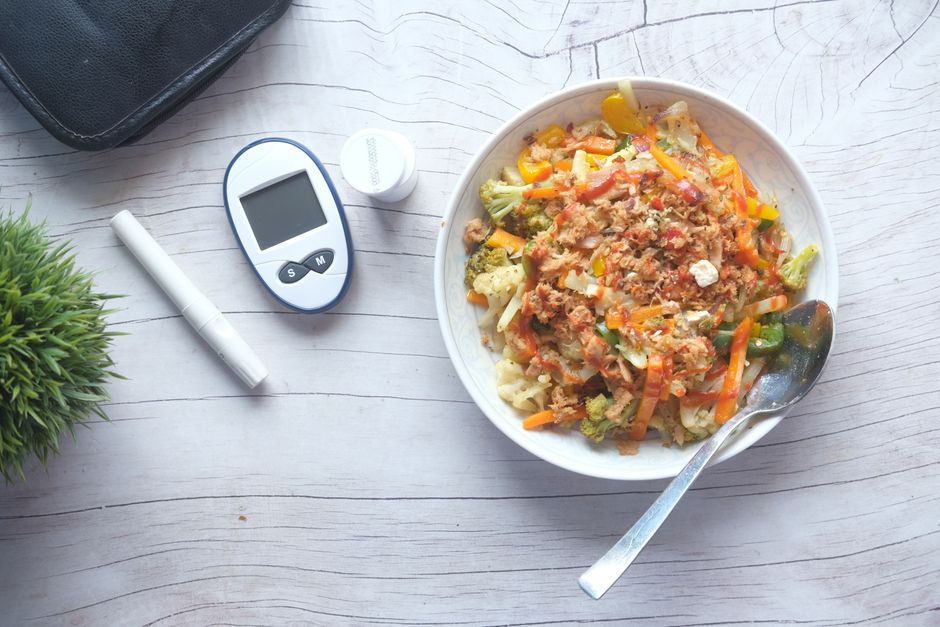
Rice can be part of a diabetes eating plan, but portion size and type matter more than for people without diabetes. Carbohydrates raise blood sugar, and rice is carbohydrate-dense, so it needs to be counted and managed.
Whole-grain rice is generally the better choice because its fiber slows glucose absorption. Pairing rice with protein and fat further softens the blood sugar rise. Some clinicians also recommend cooling and reheating rice to increase resistant starch, though the effect is small.
People with diabetes should work with their healthcare provider or a registered dietitian to determine how rice fits their individual plan. Blood sugar responses vary from person to person, and what works for one person may not work for another. Monitoring blood glucose after meals is the most reliable way to know how your body handles rice.
Frequently Asked Questions
Is rice a good carb or a bad carb?
Rice is a good carb when it is a whole-grain variety eaten in moderate portions with protein and vegetables. It is less ideal when it is refined white rice eaten in large amounts alone.
Is brown rice better than white rice?
Brown rice retains its fiber, B vitamins, and minerals, while white rice loses most of these during milling. Brown rice also tends to raise blood sugar more slowly.
Can I eat rice every day?
Yes, rice can be eaten daily as part of a balanced diet. Choosing whole-grain varieties and keeping portions moderate makes it a healthier daily staple.
Does rice cause weight gain?
No, rice does not cause weight gain on its own. Weight change depends on total calorie intake and overall diet quality, and rice is simply easy to overeat because it is calorie-dense.
