
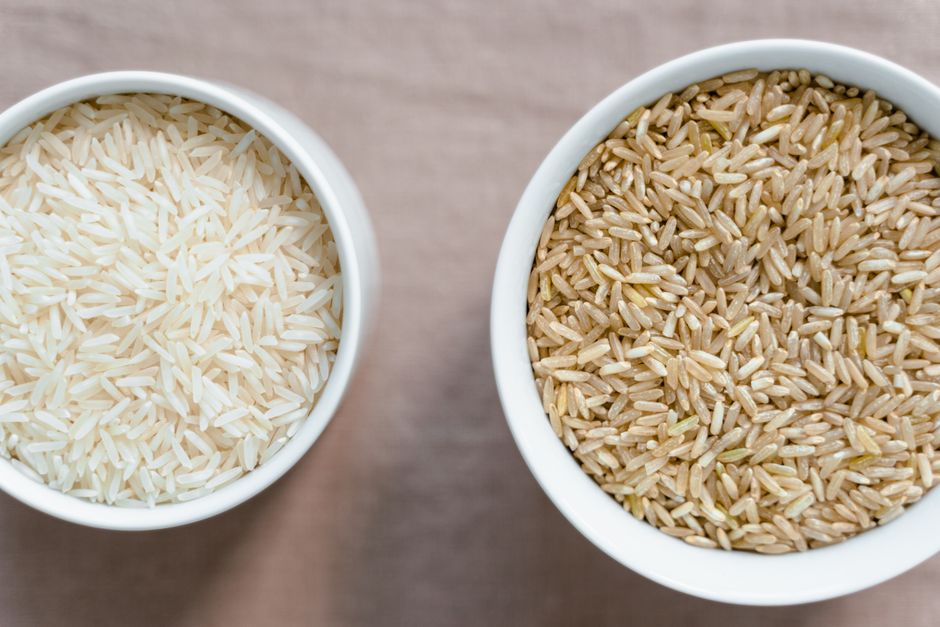
Yes, rice is a fast digesting carb — especially white rice. White rice digests faster than brown rice because the milling process strips away the bran and germ, leaving mostly starch that your body breaks down quickly. Brown rice keeps those layers, so it digests more slowly and has a gentler effect on blood sugar.
That difference matters if you watch your blood sugar, train hard, or just want steady energy instead of a spike and crash. This article explains how fast each type actually digests, why the difference exists, and what it means for you.
Is Rice A Fast Digesting Carb White Vs Brown?
White rice is a fast digesting carb. Brown rice is a slow digesting carb. The two types of rice start as the same grain. The difference comes down to how much of the grain survives processing.
A whole grain of rice has three parts: a starchy core called the endosperm, a fibrous outer layer called the bran, and a nutrient-rich center called the germ. White rice is milled to remove the bran and germ. What’s left is almost pure starch. Your digestive enzymes can attack that starch quickly and easily.
Brown rice keeps all three parts. The bran adds fiber and fat, and the germ adds protein and nutrients. Those components slow down how fast your digestive enzymes can reach the starch. Fiber also slows the rate at which the stomach empties into the small intestine.
The result: white rice raises blood sugar faster and higher than brown rice. Brown rice raises it more gradually and to a lower peak.
How Fast Does White Rice Raise Blood Sugar?
White rice is one of the faster sources of carbohydrate you can eat. Its starch is mostly broken down and absorbed within the small intestine soon after you eat it, which is why blood sugar rises quickly.
Rice starch is made of two molecules: amylose and amylopectin. Amylopectin is a branched molecule that enzymes can break apart from many points at once, so it digests fast. Amylose is a straight chain that takes longer. White rice tends to be high in amylopectin, which is part of why it hits so quickly.
This is not automatically a bad thing. Fast carbs have a real role. During or right after hard exercise, your muscles want glucose quickly, and fast digesting carbs can help refill muscle glycogen. The trouble comes when fast carbs are eaten in large amounts without activity to use that glucose.
One practical factor people overlook: how you cook and cool rice changes how fast it digests. Cooking then cooling rice — like day-old rice in the fridge — causes some of the starch to form resistant starch, which your body cannot fully digest. That lowers the blood sugar response. Reheating changes it again. So the same rice can behave differently depending on how it’s prepared. The effect is real but modest, so it’s not a substitute for choosing brown rice if blood sugar is your main concern.
Why Does Brown Rice Digest More Slowly?
Brown rice digests more slowly because its bran and germ act as physical barriers and add fiber that slows digestion.
The bran layer is where most of the fiber sits. Fiber is not broken down into glucose the way starch is. Instead, it adds bulk, slows stomach emptying, and slows the release of glucose into the bloodstream. The germ contributes protein, fat, and nutrients that also slow the process.
Brown rice also tends to have slightly more amylose and a firmer structure, both of which take longer to break down. The net effect is a slower, flatter rise in blood sugar compared with white rice.
This slower digestion is why brown rice tends to keep you full longer. It is also why some people find it sits heavier in the stomach or causes more gas, especially if they are not used to eating much fiber. That is a real trade-off, not a flaw.





White Rice Vs Brown Rice: How They Compare
The table below compares the two types on the factors that matter most for digestion and blood sugar. Nutrient values reflect typical cooked rice.
| Factor | White Rice | Brown Rice |
|---|---|---|
| Digestion speed | Fast | Slower |
| Blood sugar rise | Faster, higher peak | Slower, lower peak |
| Fiber (per cup cooked) | About 0.6 g | About 3.5 g |
| Bran and germ | Removed | Intact |
| Mainly starch type | Higher in fast-digesting amylopectin | More amylose and fiber |
| Fullness | Less lasting | More lasting |
Fiber figures are drawn from standard USDA nutrient data for cooked rice. Brown rice carries roughly several times the fiber of white rice, which is a large part of the difference in digestion speed.
Does Rice Digest Faster Than Other Carbs?
White rice sits near the fast end of the carb spectrum, roughly in the same range as white bread and other refined starches. Brown rice is slower, closer to whole grains like oats and whole wheat.
Carbohydrate digestion speed is often described using the glycemic index, a scale that ranks how much a food raises blood sugar compared with a reference food. Refined, low-fiber starches tend to score higher. Whole grains with intact fiber tend to score lower. White rice generally scores higher than brown rice.
But the glycemic index has limits. It measures a food eaten alone. In real meals, rice is usually eaten with protein, fat, and vegetables, all of which slow digestion and blunt the blood sugar response. So a bowl of white rice with chicken and vegetables behaves very differently from plain white rice on an empty stomach.
Portion size matters just as much as type. A small serving of white rice can have a smaller effect on blood sugar than a large serving of brown rice. The total amount of carbohydrate, not just its speed, drives the blood sugar response.
Which Type Should You Choose?
For most people, brown rice is the better everyday choice for steady energy and blood sugar. Its fiber and slower digestion are genuine advantages, and the evidence supporting whole grains over refined grains for long-term health is solid.
That said, white rice is not a villain. It is easier to digest, which can help people with sensitive stomachs or digestive conditions where fiber causes discomfort. It also has a role in fueling around intense exercise.
If you have diabetes or prediabetes, the slower digestion of brown rice is generally more helpful for blood sugar control. Pairing either type with protein, fat, and vegetables slows digestion further. Watching portion size matters at least as much as choosing the type.
Some people simply prefer the taste and texture of white rice. In that case, smaller portions and balanced meals go a long way. You do not have to give up white rice to eat well.
Does Cooling Rice Change How Fast It Digests?
Cooling cooked rice can slow its digestion somewhat by forming resistant starch, a type of starch your body cannot fully break down.
When you cook rice and then chill it, some of the starch molecules reorganize into a structure your digestive enzymes handle less easily. This lowers the blood sugar response compared with freshly cooked rice. Reheating does not fully undo the effect, though it changes it.
The size of this effect is modest and varies. It is a useful detail, but it does not turn white rice into brown rice. If blood sugar is your main concern, the type of rice and the portion still matter more than cooling.
One safety note: cooked rice can carry bacteria that survive cooking, and cooling it slowly at room temperature lets those bacteria multiply. If you cool rice to eat later, refrigerate it promptly rather than leaving it out.
Frequently Asked Questions
Is white rice a fast digesting carb?
Yes, white rice is a fast digesting carb because milling removes the bran and germ, leaving mostly starch that breaks down quickly. This makes blood sugar rise faster than with brown rice.
Is brown rice slow digesting?
Yes, brown rice digests more slowly than white rice because its bran and germ add fiber and slow stomach emptying. This produces a gentler, more gradual rise in blood sugar.
Does brown rice raise blood sugar less than white rice?
Generally yes, brown rice tends to raise blood sugar more slowly and to a lower peak than white rice. Portion size and what you eat with it still affect the response.
Can cooling rice make it digest more slowly?
Cooling cooked rice can form resistant starch, which slows digestion somewhat and lowers the blood sugar response. The effect is modest and does not match the difference between white and brown rice.
