
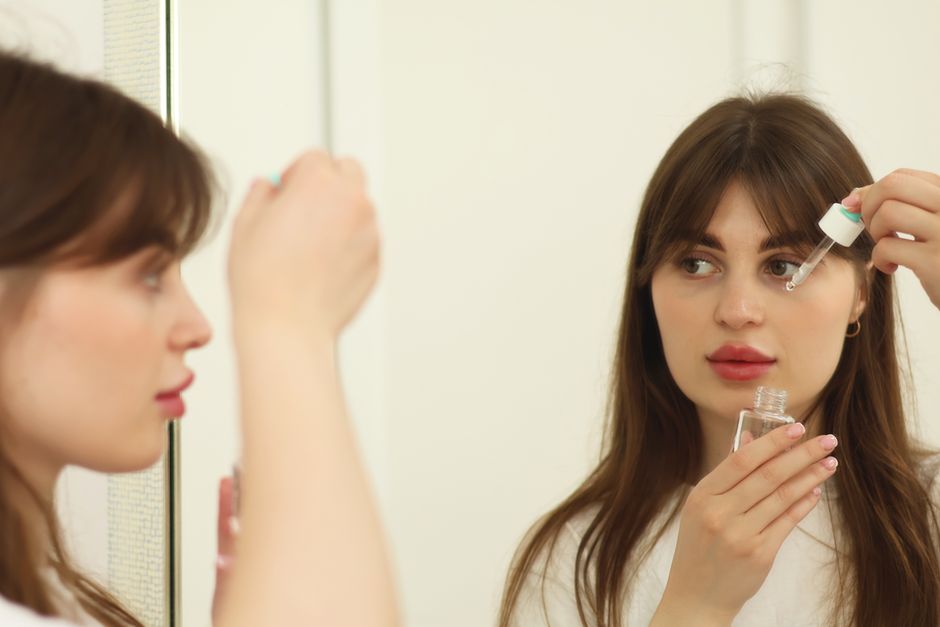
Retinol is not inherently bad for young skin, but it is often unnecessary and can cause irritation if used incorrectly. Dermatologists generally agree that retinol is safe for people in their 20s, but most younger adults do not need it for anti-aging purposes. The real question is not whether retinol is dangerous, but whether it is the right product for your skin’s actual needs.
What Does Retinol Actually Do to Skin?
Retinol is a form of vitamin A. When applied to the skin, it converts into retinoic acid. This is the active form that interacts with skin cells.
Retinoic acid speeds up cell turnover. Old skin cells shed faster, and new ones rise to the surface more quickly. This is why retinol helps with acne and fades dark spots. Over time, it also stimulates collagen production, which is the protein that keeps skin firm.
For young skin, the cell turnover process is already fast. A 20-year-old’s skin regenerates much quicker than a 50-year-old’s. Adding retinol to young skin can push that process into overdrive, leading to redness, peeling, and dryness.
Is Retinol Bad For Young Skin What Experts Say
Experts do not consider retinol harmful to young skin in a permanent way. No evidence suggests that using retinol in your 20s damages the skin long-term. The concern is irritation, not lasting injury.
Dermatologists point out that the skin barrier can become compromised with overuse. When the outer layer of skin is stripped too quickly, moisture escapes and irritants get in. This can cause contact dermatitis, which looks like a red, itchy, or flaky rash.
The bigger issue is that most young people do not need retinol at all. Anti-aging benefits from retinol take months to appear and are most meaningful when collagen loss begins, which typically happens in the late 20s to early 30s. Using retinol earlier does not “prevent” aging. It simply makes skin more sensitive for no measurable benefit.
At What Age Should You Start Using Retinol?
There is no universal age for starting retinol. Dermatologists generally suggest considering it in your late 20s if you want to address early signs of aging, such as fine lines or sun damage.
For teenagers and people in their early 20s, retinol is usually prescribed for acne, not aging. In that case, a dermatologist may recommend a prescription-strength retinoid like adapalene or tretinoin. These are stronger than over-the-counter retinol and are used under medical supervision.
If you are under 25 and do not have acne or hyperpigmentation, you likely do not need retinol. Sunscreen is far more effective at preventing premature aging than any retinoid. Daily SPF 30 or higher protects collagen from UV damage, which is the leading cause of visible aging.





What Are the Risks of Using Retinol Too Young?
The most common risk is irritation. Retinol can cause redness, peeling, and a burning sensation, especially when you first start using it. This is often called “retinization” and usually fades after a few weeks as the skin adjusts.
However, young skin may not adjust as smoothly. Because cell turnover is already rapid, the added acceleration can overwhelm the skin barrier. This can lead to prolonged irritation that takes weeks to resolve.
Another risk is increased sun sensitivity. Retinol thins the outer layer of dead skin cells, which means more UV radiation reaches living skin cells. Without diligent sunscreen use, this can increase the risk of sunburn and sun damage. Sun damage is the primary cause of premature aging, so using retinol without SPF can backfire.
There is also the risk of using too many active ingredients at once. Many young people combine retinol with exfoliating acids like salicylic acid or glycolic acid. This combination can severely irritate skin. Dermatologists recommend using only one active ingredient at a time when starting retinol.
How to Use Retinol Safely If You Choose to Start
If you decide retinol is right for you, start slowly. The standard advice is to use it once or twice a week at first, then gradually increase frequency as your skin tolerates it.
Apply retinol only at night. It breaks down in sunlight, and your skin is more vulnerable to irritation during the day. Cleanse your face, wait for it to dry completely, then apply a pea-sized amount of retinol. A pea-sized amount is enough for the entire face. Using more does not increase results and increases irritation.
Always follow with a moisturizer. Some dermatologists recommend the “sandwich method,” where you apply moisturizer, then retinol, then moisturizer again. This dilutes the retinol slightly but reduces irritation significantly.
Sunscreen is non-negotiable. Use SPF 30 or higher every morning, even on cloudy days. Retinol makes skin more sensitive to UV damage, so skipping sunscreen defeats the purpose.
What Are the Alternatives to Retinol for Young Skin?
If you want smoother skin or better texture without the irritation risk, several alternatives exist.
Azelaic acid is a gentler option. It helps with redness, acne, and uneven skin tone without the peeling associated with retinol. It is available over the counter in lower strengths and by prescription in higher ones.
Niacinamide, a form of vitamin B3, supports the skin barrier and reduces inflammation. It does not speed up cell turnover the way retinol does, but it improves skin appearance with far less irritation risk.
For acne specifically, benzoyl peroxide and salicylic acid are well-studied options. They target bacteria and clogged pores directly without affecting cell turnover rates.
If your concern is anti-aging, the most evidence-backed approach is daily sunscreen use. Sunscreen prevents UV damage, which is responsible for most visible skin aging. No topical product reverses aging as effectively as sun protection prevents it.
Can Retinol Make Skin Worse Before It Gets Better?
Yes. This is common and expected, especially in the first few weeks. The medical term is “retinization,” and it includes dryness, flaking, and sometimes a temporary increase in breakouts.
The initial breakout happens because retinol speeds up cell turnover, which pushes existing clogged pores to the surface faster. This is not new acne; it is old congestion surfacing. It usually resolves within four to six weeks.
If irritation is severe, painful, or lasts longer than six weeks, stop using the product and see a dermatologist. This could indicate that the concentration is too high or that your skin barrier is compromised. A dermatologist can recommend a lower strength or a different formulation.
Does Retinol Thin the Skin?
This is a common myth, and the answer is no. Retinol does not thin the skin permanently. It temporarily thins the outer layer of dead cells, which is why skin feels smoother. But studies have shown that retinoids actually thicken the deeper layers of skin over time by stimulating collagen production.
The confusion comes from the temporary sensitivity and peeling. Skin feels thinner and more fragile during the adjustment phase. But once the skin adapts, it becomes more resilient, not less.
That said, if you use retinol incorrectly and cause prolonged irritation, the skin barrier can weaken. This is a temporary condition that resolves when you stop using the product or reduce frequency. It is not permanent thinning.
Frequently Asked Questions
Can a 20-year-old use retinol?
Yes, a 20-year-old can use retinol safely, but most do not need it. If you do not have acne or hyperpigmentation, sunscreen and moisturizer are more appropriate for your skin.
What happens if you use retinol too young?
You may experience redness, peeling, and dryness because young skin already turns over cells quickly. These effects are temporary and resolve when you stop or reduce use.
Is retinol safe for teenage skin?
Retinol is safe for teenagers when used for acne under a doctor’s guidance. Over-the-counter retinol is generally unnecessary for teens, and prescription retinoids are the standard acne treatment.
Does retinol cause permanent damage to young skin?
No evidence shows permanent damage from retinol use in young skin. The risks are limited to temporary irritation and increased sun sensitivity, which are manageable with proper use.
