
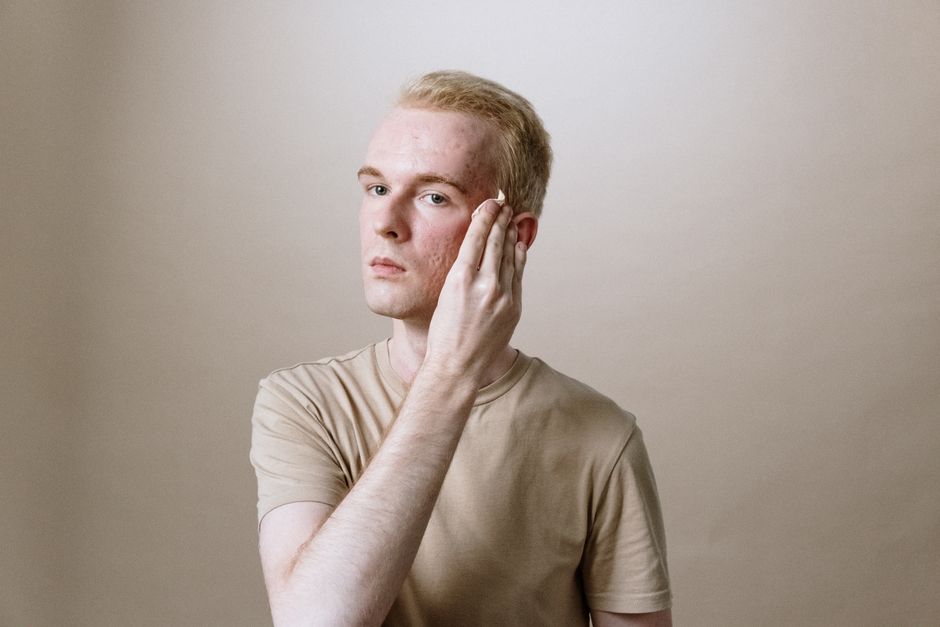
Retinol is not bad for acne. In fact, it is one of the most effective and well-studied treatments for acne available. It works by speeding up cell turnover and keeping pores clear, which directly prevents breakouts. The confusion comes from a common side effect called purging, where skin gets worse before it gets better. That temporary phase leads many people to stop using it too soon, but the science is clear: retinol helps acne when used correctly and consistently.
What Does Retinol Actually Do to Your Skin?
Retinol is a form of vitamin A. When you apply it to your skin, it converts into retinoic acid. This active form interacts with skin cells at a genetic level, telling them to behave younger and healthier.
Acne forms when dead skin cells and oil clog a hair follicle. The follicle becomes a home for bacteria, which triggers inflammation and a visible pimple. Retinol disrupts this chain. It increases the rate at which your skin sheds dead cells, so they are less likely to pile up and block a pore.
It also normalizes how your oil glands function. Overactive oil production is a major driver of acne. By calming that activity, retinol reduces the raw material that acne needs to form.
This is not a surface-level fix. Retinol changes the structure and behavior of your skin over time. Results take weeks, not days, because the skin needs a full cycle to respond to the new instructions.
Why Does Retinol Make Acne Worse at First?
This is the number one reason people believe retinol is bad for acne. The process is called purging, and it is a normal reaction, not a sign of damage.
When retinol speeds up cell turnover, everything below the surface gets pushed up faster. Pores that were already clogged but not yet visible suddenly become inflamed pimples. These are breakouts that were going to happen anyway. Retinol just brings them to the surface sooner, all at once.
Purging typically starts within the first two to six weeks of use. It can last for several weeks. The key difference between purging and a bad reaction is location. Purging appears in the same areas where you normally get acne. A true allergic reaction or irritation will show up in new places, often with redness, burning, or peeling that feels painful.
If you push through the purge phase, most people see significant improvement by the eight to twelve week mark. Stopping during the purge resets your skin to its previous state, and the cycle starts over if you try again later.
Is Retinol Bad for Acne or Just Strong?
Retinol is potent, and that strength can be mistaken for harm. It is not damaging your skin barrier. It is temporarily making it more sensitive while your skin adapts.
The most common mistake is starting with a high concentration too often. This causes irritation, redness, and flaking. That irritation is not acne. It is a side effect of using too much, too fast. The skin needs time to build what dermatologists call retinization — the process of becoming tolerant to the ingredient.
Start with a low concentration, like 0.25% or 0.5%, and apply it every third night for the first two weeks. Then move to every other night. After a month, most people can use it nightly without problems. Some people never reach nightly use, and that is fine. Consistency at a lower frequency still produces results.
Use a pea-sized amount for your whole face. More product does not mean better results. It means more irritation. Apply it to dry skin, wait twenty minutes, then follow with a moisturizer. This simple routine dramatically reduces side effects.





What Does the Research Say About Retinol for Acne?
Retinoids are the most extensively studied class of acne treatments in dermatology. Prescription-strength versions like tretinoin have been used for decades with strong evidence of effectiveness. Retinol is the over-the-counter cousin of these prescription drugs.
Research consistently shows that retinol improves mild to moderate acne. Studies have measured reductions in both inflammatory pimples and blackheads over eight to twelve weeks of use. The evidence is strong enough that dermatologists routinely recommend retinol as a first-line treatment for non-severe acne.
What the research does not show is that retinol damages skin or makes acne permanently worse. The purge phase is documented but temporary. No credible study has found that retinol causes long-term harm to acne-prone skin.
The confusion in popular media often comes from comparing retinol to prescription retinoids. Prescription versions are stronger and work faster. Retinol is gentler and slower. Both work. The choice depends on your skin’s tolerance and your budget.
How Is Retinol Different From Other Acne Treatments?
Retinol works differently than most acne products you can buy. Benzoyl peroxide and salicylic acid are the other common options, and each has a different job.
| Treatment | How It Works | Best For | Common Side Effects |
|---|---|---|---|
| Retinol | Speeds cell turnover, prevents clogged pores | Blackheads, whiteheads, prevention | Dryness, peeling, purging |
| Benzoyl peroxide | Kills acne bacteria, reduces inflammation | Inflamed red pimples | Bleaching of fabric, dryness |
| Salicylic acid | Exfoliates inside the pore, dissolves oil | Blackheads, oily skin | Dryness, mild irritation |
These treatments can be combined. Many dermatologists recommend using benzoyl peroxide in the morning and retinol at night. This combination attacks acne from two angles — bacteria control and pore prevention. If your skin is sensitive, alternate nights rather than using both daily.
Retinol is unique because it addresses the root cause of acne — abnormal cell shedding — rather than just treating the symptoms. This is why it is often recommended for long-term maintenance even after acne clears.
Who Should Avoid Retinol for Acne?
Retinol is not for everyone. Pregnant women should avoid it entirely. Oral retinoids are known to cause birth defects, and while topical retinol is less studied, dermatologists universally advise stopping it during pregnancy and breastfeeding.
People with very sensitive skin conditions like eczema or rosacea may struggle with retinol. The ingredient can trigger flares in these conditions. If you have one of these, talk to a dermatologist before starting. Some people with these conditions can use retinol successfully with a very gradual introduction, but it requires careful management.
If you are using other exfoliating acids, like glycolic acid or salicylic acid, on the same nights as retinol, you are asking for irritation. These ingredients all speed up cell turnover. Together they can strip your skin barrier. Alternate them on different nights or stop the acids while your skin adjusts to retinol.
Finally, if you are on isotretinoin — the oral acne medication formerly known as Accutane — do not use topical retinol. Your skin is already receiving the most potent retinoid possible. Adding more will cause severe dryness and irritation.
How Long Until Retinol Clears Acne?
Do not expect overnight results. Skin cell turnover takes about 28 days in young adults and slows with age. Retinol speeds this up, but it cannot rewrite the timeline completely.
Most clinical studies measure results at eight weeks. By this point, many people see fewer pimples and smoother skin texture. Full improvement typically takes three to four months. The purge phase in the first month can make it feel like nothing is working, but this is the process doing its job.
Retinol is a maintenance treatment. If you stop using it, your skin gradually returns to its previous behavior. Acne comes back because the underlying tendency to clog pores is still there. This is not a rebound effect. It is simply your skin reverting to its natural state without the medication.
Consistency matters more than concentration. Using a low-strength retinol every other night for six months will outperform a strong retinol used sporadically. Your skin responds to regular exposure, not occasional intensity.
Can Retinol Cause Permanent Damage?
No. The skin is highly regenerative. Any irritation, peeling, or redness caused by retinol resolves when you reduce frequency or stop use. There is no evidence that retinol causes permanent damage to the skin barrier or long-term thinning of the skin.
A common myth is that retinol thins the skin. The opposite is true. Retinol increases collagen production in the deeper layers, which thickens the skin over time. The temporary feeling of thinness or sensitivity during the adjustment phase is due to the outer layer shedding faster than normal. Once your skin adapts, this resolves.
Retinol does make your skin more sensitive to the sun. This is well documented. The new skin cells are more vulnerable to UV damage. Daily sunscreen is non-negotiable when using retinol. This is not a reason to avoid retinol. It is a reason to use sun protection.
If you experience severe burning, blistering, or swelling, stop using the product and see a dermatologist. This is not normal adjustment. It is a sign that the product is too strong for your skin or you are having an allergic reaction.
Frequently Asked Questions
Does retinol make acne worse before it gets better?
Yes, this is called purging and it is temporary. It happens because retinol pushes existing clogged pores to the surface faster, usually within the first two to six weeks.
Can I use retinol every day for acne?
You can once your skin adjusts, but start with every third night for two weeks. Daily use too early causes irritation that makes acne look worse.
Is retinol or salicylic acid better for acne?
Retinol prevents clogged pores and is better for long-term control. Salicylic acid treats existing blackheads and is better for immediate results. Many people use both on alternating nights.
How long does retinol purging last?
Purging usually lasts two to six weeks. If your skin is still breaking out after three months of consistent use, the product may not be right for your skin type.
