
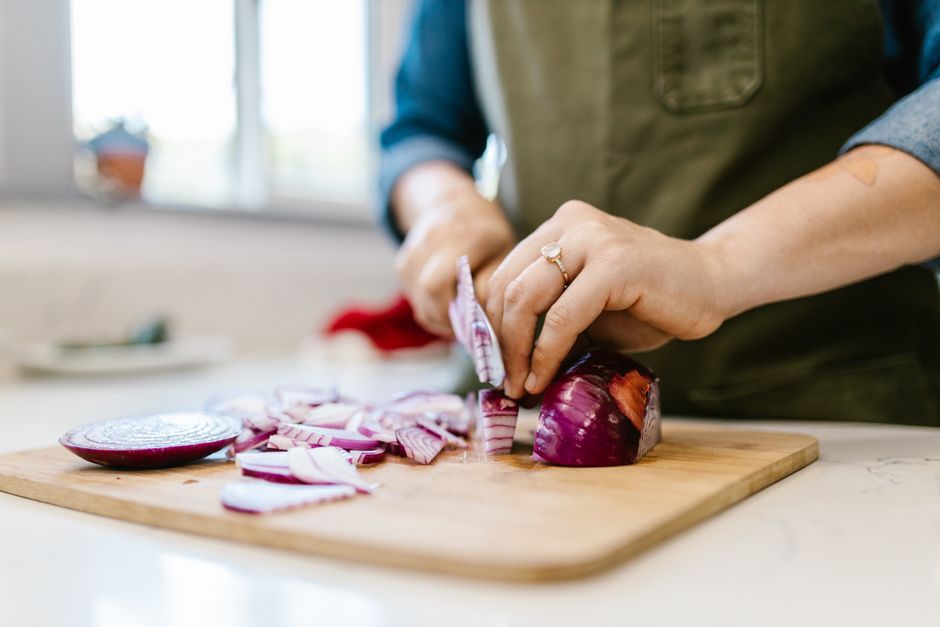
Red onions are a genuine source of beneficial plant compounds, and eating them regularly fits well into a healthy diet. They contain quercetin, anthocyanins, and sulfur compounds that have been studied for heart health, blood sugar control, and cancer risk reduction. That said, no single food prevents disease on its own, and some of the boldest claims about onions go further than the evidence supports.
If you are looking for a straight answer: yes, red onions are good for you. They are low in calories, provide fiber and vitamin C, and deliver a concentrated dose of flavonoids that most Americans do not get enough of. The interesting questions are about how much they help, how they compare to other onions, and whether cooking destroys the benefits.
What Makes Red Onions Different From Other Onions?
The color tells you something real. Red onions get their purple-red skin and flesh from anthocyanins, the same class of pigments found in blueberries and cherries. White and yellow onions contain little to none of these compounds.
All onions, regardless of color, contain quercetin — a flavonoid that has been studied for its antioxidant and anti-inflammatory properties. Red onions tend to have higher quercetin concentrations than white or yellow varieties, though levels vary by growing conditions, soil, and storage time.
Red onions also contain organosulfur compounds. These are the molecules responsible for the sharp taste and the tears when you cut into one. They are the same compounds researchers have examined for cardiovascular and antimicrobial effects.
Here is a comparison of the approximate nutrient content per 100 grams of raw red onion:
| Nutrient | Amount per 100g |
|---|---|
| Calories | 40 kcal |
| Carbohydrates | 9.3 g |
| Fiber | 1.7 g |
| Vitamin C | 7.4 mg |
| Potassium | 146 mg |
| Quercetin | Varies; red varieties generally higher than white |
These values come from USDA nutritional data. The quercetin figure is listed as variable because it genuinely varies — a red onion grown in one region and stored for months may have notably less than a fresh one from a different farm.
Is Red Onion Good For Health? What the Evidence Shows
The strongest evidence for onions relates to cardiovascular health. Population studies have found that people who eat more onions and other allium vegetables tend to have lower rates of heart disease. These are observational studies — they show a pattern, not proof that onions caused the outcome.
Quercetin has been studied for its effects on blood pressure. Some small trials have found modest reductions in systolic blood pressure among people taking quercetin supplements, but the doses used were often higher than what you would get from eating onions. Whether onion consumption alone produces meaningful blood pressure changes is not well established.
Onions also contain compounds that may inhibit platelet aggregation — the clumping together of blood platelets that contributes to clot formation. This effect has been demonstrated in laboratory studies. Whether eating onions has a clinically significant blood-thinning effect in humans is less clear, and the effect is likely modest.
For blood sugar, some research suggests that sulfur compounds in onions may support insulin sensitivity. Again, most of this work is preliminary. No clinical guidelines currently recommend onions as a treatment for diabetes or prediabetes.
What About Cancer?
Several observational studies have reported associations between higher allium vegetable intake and lower risk of certain cancers, including stomach and colorectal cancer. The evidence is consistent enough to be interesting but not strong enough to claim that onions prevent cancer. Many factors influence cancer risk, and isolating the effect of one vegetable is difficult.
Does Cooking Destroy the Benefits of Red Onions?
Cooking changes onions in ways that matter. Heat reduces some sulfur compounds and can lower quercetin content, though the degree depends on cooking method and duration.
Boiling leaches water-soluble compounds into the cooking water. If you discard the water, you lose some of the beneficial molecules. Frying or sautéing preserves more of the quercetin because the compounds stay in the onion, but high heat and long cooking times degrade them.
Raw red onions retain the highest levels of heat-sensitive compounds. If maximizing quercetin and sulfur compounds is your goal, eating them raw — in salads, sandwiches, or salsas — preserves more of what makes them valuable.
That said, cooked onions are still nutritious. They retain fiber, potassium, and a portion of their flavonoid content. The difference between raw and cooked is real but not dramatic enough to avoid cooked onions if you prefer them.
One practical note: letting chopped onions sit for a few minutes before cooking may help preserve some beneficial compounds. This is based on limited research, but it is a low-effort habit with no downside.
How Much Red Onion Should You Eat?
There is no official recommended daily intake for onions. No clinical guidelines specify an optimal amount for health benefits.
What researchers generally observe is that people who eat onions several times per week tend to show the health associations described above. In many Mediterranean and Asian diets, onion is a daily staple, often consumed in amounts ranging from half an onion to a full onion per day.
For most people, adding red onion to meals regularly is a reasonable goal. There is no evidence that eating large amounts provides extra benefit, and very high intakes could cause digestive discomfort in some people.
If you take blood-thinning medication, talk to your doctor before making large changes to your onion intake. The antiplatelet effect of onions is mild, but it is real enough that some clinicians advise awareness.
Are There Any Risks or Downsides?
For most people, red onions are safe and well tolerated. The most common issue is digestive: onions contain fructans, a type of carbohydrate that can cause gas, bloating, and discomfort in people with irritable bowel syndrome or fructose intolerance.
People following a low-FODMAP diet are often advised to avoid onions entirely during the elimination phase. This is not because onions are unhealthy — it is because their fermentable carbohydrates can trigger symptoms in sensitive individuals.
Onions can also cause allergic reactions in rare cases. Symptoms may include skin irritation, nasal congestion, or in severe cases, breathing difficulty. True onion allergy is uncommon but documented.
Raw onions may cause bad breath and body odor. This is a cosmetic issue, not a health risk, but it is worth knowing if you eat them in large quantities.
Red Onion vs. Yellow Onion: Which Is Healthier?
Red onions generally contain more quercetin and anthocyanins than yellow or white onions. This gives them an edge in terms of antioxidant content.
Yellow onions, however, are often higher in certain sulfur compounds and tend to be more pungent. They are also typically cheaper and more widely available.
From a practical standpoint, the difference is not large enough to matter much. Eating any color of onion regularly is likely more beneficial than worrying about which variety is marginally better. If you enjoy red onions raw, that is a good reason to choose them. If you prefer yellow onions cooked into soups and stews, that is also fine.
The bigger dietary pattern matters more than the specific onion. Onions are one component of a healthy diet, not a standalone solution.
How to Add More Red Onion to Your Diet
Red onions work in almost any dish where you would use other onions. Their milder, slightly sweeter flavor makes them especially good raw.
- Thinly slice raw red onion into salads, grain bowls, or tacos.
- Pickle red onions in vinegar for a tangy topping that keeps for weeks in the refrigerator.
- Add chopped red onion to salsas, guacamole, or relishes.
- Roast thick slices with olive oil and herbs as a side dish.
- Use them in sandwiches and wraps instead of, or alongside, lettuce.
If raw onion is too strong for you, soaking sliced red onion in cold water for a few minutes reduces the sharpness without eliminating the beneficial compounds.
Frequently Asked Questions
Is eating raw red onion better than cooked?
Raw red onions retain more heat-sensitive compounds like quercetin and sulfur molecules, so they offer a slight edge in terms of beneficial plant chemicals. Cooked onions are still nutritious and provide fiber and minerals, so either form is a healthy choice.
Can red onions lower blood pressure?
Some small studies suggest that quercetin, a compound found in red onions, may modestly reduce blood pressure, but the doses studied were often higher than what you would get from eating onions alone. No clinical guidelines currently recommend onions as a blood pressure treatment.
How much red onion should I eat per day?
There is no official recommended daily amount for onions. Many healthy dietary patterns include onions daily or several times per week, and that level of intake is associated with the health benefits observed in population studies.
Are red onions bad for people with IBS?
Onions are high in fructans, a fermentable carbohydrate that can trigger gas and bloating in people with irritable bowel syndrome. Many IBS patients are advised to limit or avoid onions during elimination diets, though tolerance varies from person to person.
