
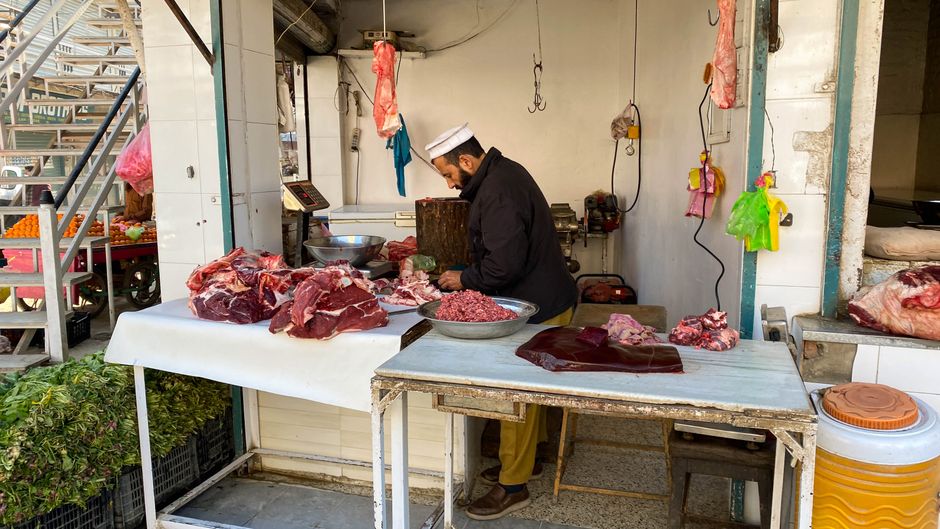
Red meat does not directly poison your liver, but how much you eat and how it is cooked can influence liver health over time. The strongest evidence links heavy red meat intake to fat buildup in the liver, especially in people who already carry extra weight or have metabolic problems. There is no treatment that “fixes” a liver damaged by diet other than changing what you eat, losing excess weight, and managing the conditions that drive liver disease.
Is Red Meat Bad For Your Livers Health?
The short answer is that red meat is not inherently toxic to the liver. The concern comes from the amount, the type, and the pattern of eating around it.
Your liver processes almost everything you absorb from your gut. When you eat red meat, the liver handles the amino acids, the fat, and the iron. In normal amounts this is routine work. Problems tend to appear when intake is high and consistent, particularly when it overlaps with excess calories, added sugar, and low physical activity.
Research on diet and liver fat suggests that people who eat large amounts of red and processed meat tend to have more fat stored in the liver. This condition is called non-alcoholic fatty liver disease, or NAFLD. It is now often called metabolic dysfunction-associated steatotic liver disease, or MASLD. The name changed because the condition is tied closely to metabolic health rather than to alcohol.
It is worth being precise here. Observational studies show associations, not proof that red meat alone causes liver disease. People who eat a lot of red meat often differ in many other ways. Teasing out one food from an entire lifestyle is difficult, and researchers acknowledge this limitation.
How Does Red Meat Affect Liver Fat and Inflammation?
Several mechanisms could explain the link between heavy red meat intake and liver problems. None of them operate in isolation.
Saturated fat is one factor. Red meat contains saturated fat, and diets high in saturated fat can promote fat accumulation in the liver. Fat in the liver is not automatically dangerous. It becomes a concern when it triggers inflammation and cell injury, which in some people progresses to more serious liver disease.
Calorie excess matters more than any single food. Eating more calories than you burn leads to fat storage, and the liver is a major site for that storage. A large steak dinner that pushes you past your daily energy needs contributes to liver fat regardless of what the food itself contains.
Iron is another consideration. Red meat contains heme iron, which the body absorbs more readily than the iron in plants. Most people handle this fine. But some people carry a gene variant that causes them to absorb too much iron, a condition called hereditary hemochromatosis. In those people, iron builds up in the liver and can cause real damage over time. This is a specific genetic situation, not a general risk from eating steak.
Cooking methods also matter. Grilling and frying meat at high temperatures produces compounds that can promote oxidative stress and inflammation. This is a general finding in nutrition science, not specific to liver disease, but it adds to the overall picture.
What Is The Difference Between Red Meat and Processed Meat For Liver Health?
Processed meat tends to show a stronger association with liver problems than unprocessed red meat. This distinction is important and often gets lost in the conversation.
Processed meats include bacon, sausage, hot dogs, and deli meats. They typically contain added sodium, nitrates, and preservatives. Some research suggests these products are more closely tied to liver fat accumulation and metabolic problems than fresh red meat.
That does not mean fresh red meat is without concern. It means the evidence is not equal across all meat products. If you are thinking about liver health, the processed category deserves more attention than most people give it.
Lean cuts of red meat, eaten in moderate amounts as part of a balanced diet, are not the same as a daily habit of processed meat sandwiches and bacon. The dose and the form both matter.





Who Is Most At Risk For Liver Problems From Diet?
Not everyone responds to diet the same way. Some people are more vulnerable to liver fat buildup than others.
People who already have excess weight around the abdomen are at higher risk. So are people with type 2 diabetes, high blood pressure, or abnormal cholesterol levels. These conditions cluster together and are strongly linked to fatty liver disease.
People with hereditary hemochromatosis need to be careful with iron intake specifically, and this is a conversation to have with a doctor rather than manage on your own.
People who drink alcohol regularly face a compounded risk. Alcohol and excess calories both stress the liver, and combining them with a diet high in red and processed meat is not a neutral combination.
If you have been told you have fatty liver disease, the most useful question is not whether red meat is bad. It is what your overall eating pattern looks like and what else is driving the condition.
What Actually Helps A Fatty Liver?
There is no medication approved specifically to reverse diet-related fatty liver disease in most cases. Treatment focuses on the underlying drivers.
Weight loss is the most consistently supported intervention. Losing a modest amount of body weight, even without reaching an ideal weight, has been shown in clinical research to reduce liver fat and improve liver enzyme levels. The exact amount that produces benefit varies by person, and doctors typically discuss this individually rather than giving one universal target.
Reducing added sugar and refined carbohydrates matters. Fructose in particular is processed heavily by the liver, and high intake from sweetened drinks is associated with liver fat accumulation.
Increasing physical activity helps even when weight does not change much. Exercise has effects on liver fat that are partly independent of weight loss.
Cutting back on processed meat and moderating red meat intake is a reasonable step, but it works best as part of a broader pattern rather than as a single fix. Mediterranean-style eating patterns, which emphasize vegetables, legumes, whole grains, fish, and olive oil, have been studied for liver health and tend to show favorable results.
If you have fatty liver disease, your doctor may also check for and treat conditions like diabetes, high cholesterol, and sleep apnea. These are not side issues. They are often central to why the liver is struggling.
Can You Still Eat Red Meat If You Have Liver Concerns?
Most people with liver concerns do not need to eliminate red meat entirely. The evidence supports reducing frequency and portion size rather than banning it.
Choosing leaner cuts, trimming visible fat, and using gentler cooking methods like roasting or stewing instead of high-heat grilling are practical steps. Pairing meat with vegetables and whole grains rather than refined carbohydrates changes the overall meal in a meaningful way.
The frequency question is where most people land. Daily red meat is different from a few times a week. The research does not support a single threshold that applies to everyone, so the honest guidance is that less frequent and smaller portions are generally better for liver health than large daily amounts.
If you have hemochromatosis, the conversation is different and needs to involve your doctor. Iron restriction becomes a specific medical issue rather than a general dietary preference.
What About Supplements and Liver Detox Products?
The liver does not need to be detoxified. It detoxifies itself. That is its job.
Products marketed as liver cleanses or liver detox supplements have no established evidence showing they improve liver health in people with fatty liver disease. Some herbal supplements can actually harm the liver. This is not a theoretical concern. Certain botanical products have been linked to drug-induced liver injury in documented cases.
If you are considering a supplement for liver health, talk to your doctor first. The evidence base for most of these products is weak or absent, and the risk is real.
Frequently Asked Questions
Does red meat cause fatty liver disease?
Red meat does not directly cause fatty liver disease on its own, but high intake is associated with more liver fat in observational studies. The strongest drivers are excess calories, excess weight, and metabolic conditions like diabetes.
Is chicken better than red meat for your liver?
Poultry is generally lower in saturated fat than red meat, and some research suggests it is associated with less liver fat accumulation. The difference is modest compared to the overall pattern of your diet.
Can you reverse fatty liver disease?
Diet-related fatty liver disease can improve with weight loss, reduced sugar intake, and increased physical activity. The degree of improvement varies by person, and some cases progress despite lifestyle changes.
How much red meat is safe for your liver?
No specific safe amount has been established for liver health. General dietary guidance in the United States recommends limiting red meat and choosing leaner cuts, but this is based on overall health rather than liver-specific evidence.
