
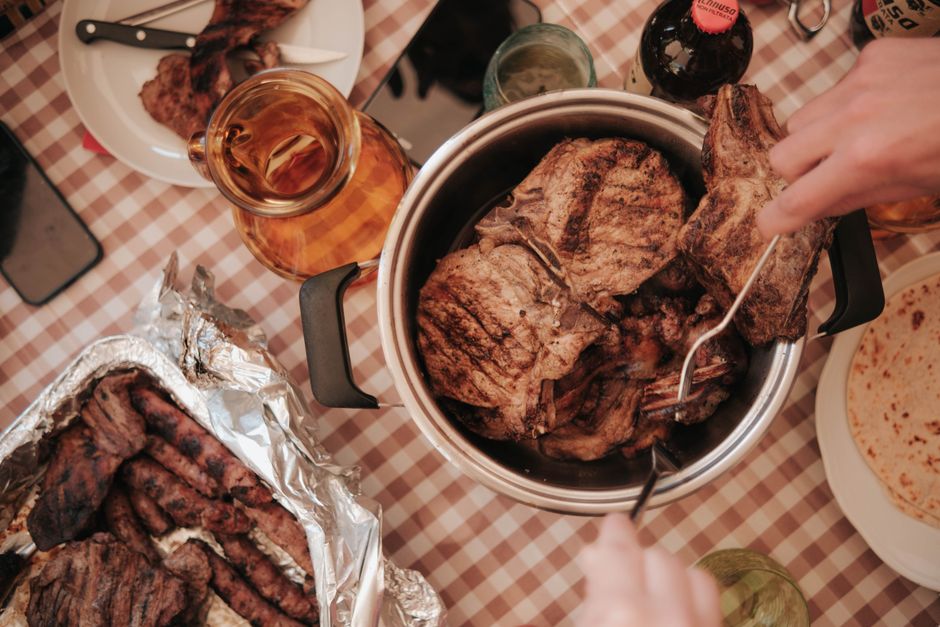
Red meat is not automatically bad for IBS, but it is a common trigger for some people, and the way it is cooked and eaten matters as much as the meat itself. The main reason is fat: fatty foods can speed up or disrupt the gut’s normal reflexes and worsen diarrhea in people with IBS-D. Lean cuts, modest portions, and low-fat cooking methods are usually better tolerated than fatty burgers, sausages, and fried meats.
IBS is a disorder of how the gut and brain communicate. It is not caused by red meat, and avoiding red meat does not cure it. But individual foods, including red meat, can provoke symptoms in people whose guts are already sensitive.
Is Red Meat Bad For IBS How It Affects Your Gut?
Red meat affects IBS mainly through fat content, portion size, and the way it is prepared, not through any single substance unique to beef, pork, or lamb. The evidence that red meat itself causes IBS symptoms is limited. What is well established is that high-fat meals can trigger symptoms in many people with IBS.
Here is what happens physiologically. Fat entering the small intestine triggers a reflex called the gastrocolic response, which stimulates movement in the colon. In people with a sensitive gut, that movement can be felt as urgency, cramping, or loose stools. Fat also slows stomach emptying, which some people experience as bloating or nausea.
Red meat tends to be higher in fat than chicken breast or fish, though this varies enormously by cut. A lean sirloin and a fatty sausage are both red meat, but they behave very differently in the gut.
There is also the question of portion size. A large steak delivers a lot of fat and protein at once, and a large meal of any kind can overwhelm a sensitive digestive system. Smaller portions are generally easier to tolerate.
Why Does Red Meat Trigger Symptoms In Some People?
The most consistent trigger is fat. Fatty meals are a well-recognized provocation for IBS symptoms, particularly diarrhea and urgency. This is why clinicians often suggest moderating fat intake in IBS, not eliminating meat.
Preparation matters too. Frying, heavy sauces, and processed meats like sausage and bacon add fat and sometimes other ingredients that can bother a sensitive gut. Grilling, baking, or roasting lean cuts avoids much of this.
Some people react to specific compounds rather than fat alone. Biogenic amines, which form in aged and cured meats, are one example. Some people report symptoms after eating cured or aged products. The evidence for this in IBS specifically is limited, so it is worth noting as a possibility rather than a certainty.
Portion size and eating speed also play a role. Eating quickly or in large amounts can trigger symptoms regardless of what the food is. This is easy to overlook when people focus only on the type of meat.
Does Red Meat Cause IBS Or Make It Worse?
Red meat does not cause IBS. IBS is a functional disorder involving how the gut and brain communicate, and no single food causes it. The condition is common and affects people of all diets, including those who eat no meat at all.
Red meat can make existing symptoms worse in some people. This is a matter of individual sensitivity, not a universal rule. Some people with IBS eat red meat regularly without problems. Others notice symptoms within hours of a fatty meal.
There is a separate and important point about red meat and gut health more broadly. Diets high in red and processed meat have been associated with higher risk of colorectal cancer in large observational studies. This is a long-term risk consideration, not an IBS trigger, and it is separate from the symptom question. It is worth knowing but should not be confused with IBS management.
Which Types Of Red Meat Are Easier On The Gut?
Lean cuts cooked with low-fat methods are generally easier to tolerate than fatty or processed meats. The difference between a lean cut and a fatty one is substantial, and choosing wisely can matter more than avoiding red meat altogether.
Leaner options include sirloin, round, and lean ground beef with a low fat percentage. White meat pork and lean lamb cuts are also lower in fat than fattier alternatives. Cooking methods like grilling, roasting, and baking use less added fat than frying.
Processed meats are a different category. Sausages, bacon, salami, and hot dogs are typically high in fat and often contain added ingredients. These are more likely to trigger symptoms in sensitive people, and they carry the long-term health considerations mentioned above.
- Lean beef cuts such as sirloin and round
- Lean pork and lean lamb
- Low-fat ground beef
- Grilled, baked, or roasted preparation
- Smaller portions rather than large steaks
How Should You Eat Red Meat If You Have IBS?
There is no single eating plan that works for everyone with IBS. The most reliable approach is to notice how your own body responds and adjust from there. This is not a cop-out; it reflects the reality that IBS triggers are highly individual.
A common approach is to keep portions moderate, choose lean cuts, and pair meat with foods you already know you tolerate. Eating slowly and not overloading a single meal can help. Some people find that keeping fat lower across the whole meal, not just the meat, makes a difference.
Keeping a simple food and symptom diary can help you spot patterns. Note what you ate, how much, and how you felt in the hours afterward. Patterns often emerge over a few weeks.
If symptoms are frequent or severe, a doctor or dietitian familiar with IBS can help. Some people benefit from structured approaches like a low-FODMAP diet, which is best done with professional guidance because it is restrictive and not meant as a long-term plan for most people.
When Should You See A Doctor About Gut Symptoms?
See a doctor if you have symptoms that suggest something other than IBS. IBS itself does not cause bleeding, weight loss, or anemia, and these signs need proper evaluation.
Red flags include blood in the stool, unexplained weight loss, persistent vomiting, fever, or symptoms that wake you at night. A new change in bowel habits after age 45 also warrants a conversation with a doctor. These do not mean something serious is present, but they are reasons to check rather than assume.
If your symptoms are stable and have been evaluated before, managing them with diet and lifestyle changes is reasonable. If anything changes, get it looked at.
Frequently Asked Questions
Is red meat bad for IBS?
Not automatically, but fatty red meat and processed meats can trigger symptoms in some people with IBS. Lean cuts in moderate portions are often tolerated better.
Does red meat cause IBS?
No, red meat does not cause IBS, which is a disorder of gut-brain communication. It can worsen symptoms in people who are sensitive to fat or specific foods.
What meats are easiest to digest with IBS?
Lean meats cooked with low-fat methods, such as grilled chicken, lean beef, and fish, are generally easier to tolerate. Fatty and processed meats are more likely to cause problems.
Should I stop eating red meat if I have IBS?
Not necessarily. Many people with IBS can eat lean red meat in moderate portions without symptoms, so cutting it out entirely is often unnecessary unless you notice a clear pattern.
