
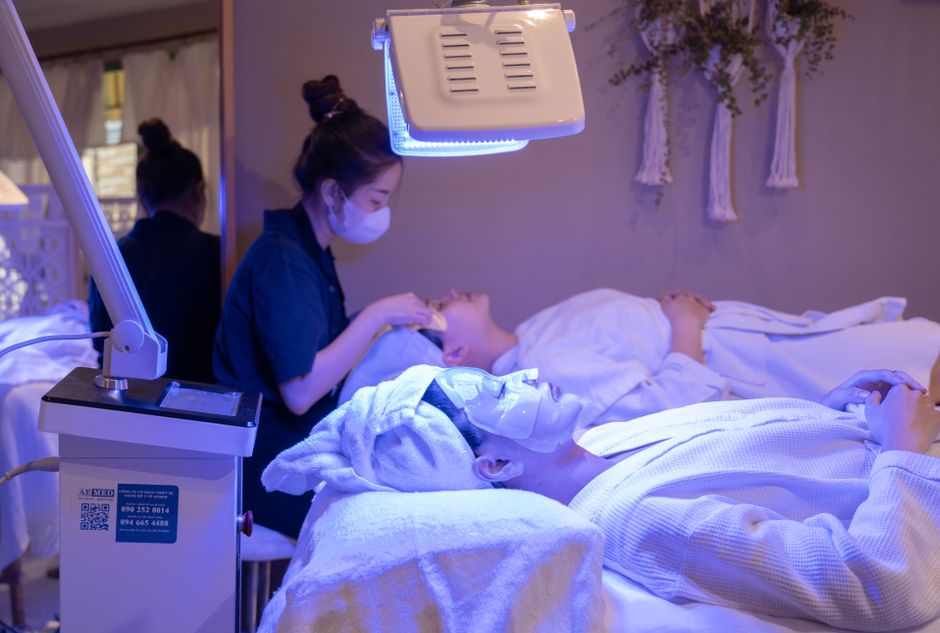
Red light therapy results are not permanent. The changes it produces in skin and tissue depend on ongoing exposure to specific wavelengths of light, and most of what you gain fades within weeks to a few months after you stop. How long results last depends on what you were treating, how consistently you used it, and how your body responds.
This is the central fact about red light therapy that marketing tends to blur. Devices are sold with before-and-after photos and promises of collagen renewal, but the biology behind those changes is temporary by nature. Understanding why helps you set realistic expectations and decide whether the time and cost are worth it for you.
What Is Red Light Therapy and How Does It Work?
Red light therapy uses low-power light in the red and near-infrared range to interact with cells in your skin and underlying tissue. It is sometimes called photobiomodulation or low-level laser therapy, though the devices range from clinical lasers to LED panels you can buy for home use.
The proposed mechanism centers on mitochondria, the energy-producing structures inside your cells. A specific enzyme in the mitochondria appears to absorb red and near-infrared light, and this absorption is thought to trigger a chain of cellular events. Research suggests this may increase energy production and influence inflammation and tissue repair signaling. That mechanism is plausible and has been studied for decades, but it is worth being clear: the precise way light changes cell behavior is still an active area of research, not a settled textbook fact.
The wavelengths that get the most study sit roughly between 600 and 1100 nanometers. Red light around 630 to 660 nanometers penetrates the skin’s surface layers. Near-infrared light, roughly 800 to 850 nanometers, goes deeper into tissue. This difference matters because it shapes what each type of device can realistically affect.
Is Red Light Therapy Permanent How Long Results Last?
No, red light therapy is not permanent, and results typically fade over weeks to a few months once sessions stop. The effect lasts only as long as the stimulation continues, because the cellular changes it produces are not stored in your body the way a tattoo or a surgical alteration is.
Think of it less like a repair and more like a recurring signal. When you expose tissue to the light, cells respond. When the signal stops, the response winds down. Collagen that was stimulated, inflammation that was calmed, and circulation that was improved all tend to return toward their baseline over time.
How long the fade takes varies widely. Someone treating a superficial skin concern may notice changes reversing within a few weeks. Someone using it for a joint or muscle issue might hold improvement longer, though the evidence for how long is thin. The honest position is that researchers have not pinned down consistent timelines across conditions, and much of what circulates online is anecdotal rather than measured.
How Long Do Results Last for Different Uses?
Duration depends heavily on what you are treating, and the evidence quality differs just as much. Some uses have more research behind them than others.
- Skin appearance and collagen: Some studies suggest improvements in skin texture and fine lines with regular use, but these changes reverse after treatment stops. Maintenance sessions are often needed to sustain any benefit.
- Hair regrowth: The evidence is mixed. Some trials show modest improvement in certain types of hair loss, but results require continued use and vary between people.
- Pain and inflammation: Some studies indicate short-term pain relief for certain joint and muscle conditions. Relief tends to be temporary and tied to ongoing sessions.
- Wound healing and recovery: Research is ongoing, and results are not consistent enough to promise a timeline.
Across all of these, the pattern is the same: benefits are maintained only while you keep using the therapy, and the strength of the evidence ranges from moderate to weak depending on the specific claim.



Why Do Results Fade?
Results fade because the therapy works by triggering temporary cellular activity, not by permanently changing your body’s structure. Once the light is removed, the cells return to their usual behavior.
Your body is constantly remodeling tissue. Collagen is broken down and rebuilt throughout your life. Inflammation rises and falls based on countless inputs. Red light therapy nudges these processes while it is applied, but it does not reset your baseline permanently. When the nudge stops, the old equilibrium tends to return.
Age, skin type, overall health, and the condition being treated all influence how quickly that return happens. A younger person with robust collagen turnover may see effects fade differently than someone older. This variability is one reason no single timeline fits everyone.
Does Red Light Therapy Have to Be Used Forever?
For most goals, yes, ongoing use is generally required to maintain any benefit. This is a practical reality that device sellers do not always emphasize.
That said, “forever” does not necessarily mean daily. Many protocols use sessions several times a week during an initial period, then taper to less frequent maintenance. The right frequency depends on the device, the condition, and guidance from a clinician familiar with your situation. There is no universal schedule that applies to everyone.
It is also worth noting that not everyone responds. Some people see little change even with consistent use. Response varies, and no device can guarantee an outcome.
Is Red Light Therapy Safe for Regular Use?
Red light therapy is generally considered low-risk when used as directed, but “low-risk” is not the same as “no risk,” and it is not appropriate for everyone without thought.
Reported side effects are usually mild and can include temporary redness, warmth, or irritation at the treatment site. Eye exposure is a specific concern, and protective eyewear is often recommended, especially with higher-power devices. Anyone with a history of skin cancer, photosensitivity, or who is taking medications that increase light sensitivity should talk to a doctor before starting.
Home devices vary enormously in power and quality. A weak device may do little, and an overly strong one used incorrectly can cause burns or irritation. The evidence for safety is strongest for supervised clinical use and weaker for unsupervised home use across every claim a seller might make.
What the Evidence Actually Shows
The research on red light therapy is real but uneven. Some conditions have multiple small trials suggesting benefit. Others rest mostly on mechanistic reasoning and marketing.
A recurring limitation is study size and quality. Many trials are small, use different devices, different wavelengths, and different treatment schedules, which makes them hard to compare. This is why you will see confident claims online that the underlying science does not fully support.
What is reasonably well established is that the therapy can produce measurable biological effects and that those effects are temporary. What remains uncertain is exactly how large those effects are for any given person, and how long they last after stopping. Those are honest gaps, not failures of the therapy.
Frequently Asked Questions
Is red light therapy permanent?
No, red light therapy is not permanent. The cellular changes it produces fade over weeks to a few months once sessions stop, so ongoing use is generally needed to maintain any benefit.
How long do red light therapy results last?
Results typically last from a few weeks to a few months after you stop, depending on what you are treating and how your body responds. There is no single timeline that applies to everyone.
Do you have to keep using red light therapy to see results?
For most goals, yes, continued use is required to sustain benefits. Once you stop, the effects tend to return toward your baseline over time.
Can red light therapy make changes that last a long time?
Some people maintain improvements longer with consistent use, but the therapy does not permanently alter your body’s structure. Any lasting benefit depends on continued sessions.
