
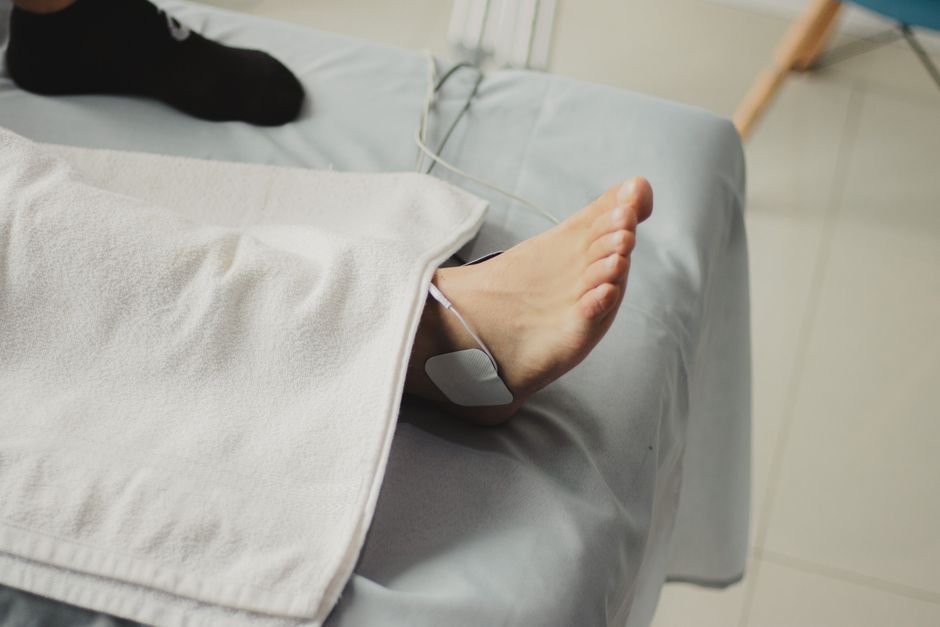
Shingles is a painful rash caused by the reactivation of the varicella-zoster virus, the same virus that causes chickenpox. Red light therapy is sometimes promoted as a way to ease that pain and speed healing. The evidence for using it specifically for shingles is limited, and no major clinical guideline currently recommends it as a standard treatment. It is not a proven cure, and it does not replace antiviral medication.
What Is Shingles and What Causes It?
Shingles, also called herpes zoster, happens when the varicella-zoster virus wakes up after lying dormant in the body. After you have chickenpox, the virus does not leave. It settles into nerve tissue near the spinal cord and stays there, held in check by the immune system.
If immunity drops — from age, stress, illness, or certain medications — the virus can travel along a nerve to the skin. That is when the rash appears. It usually shows up as a painful band or strip of blisters on one side of the body. The chest and back are common sites. So is the face.
The pain can be intense. Some people describe burning, shooting, or electric-like sensations. For many, the pain starts before any rash is visible, which can make early diagnosis tricky.
Shingles is not contagious in the usual sense. You cannot catch shingles from someone who has it. But if you have never had chickenpox or been vaccinated against it, you can catch chickenpox from contact with an active shingles rash.
How Is Shingles Normally Treated?
Antiviral medications are the standard treatment. Drugs like acyclovir, valacyclovir, and famciclovir are prescribed to shorten the illness and reduce complications. They work best when started within 72 hours of the rash appearing.
Pain management matters too. Doctors may recommend over-the-counter pain relievers, prescription medications for nerve pain, or topical treatments. The goal is to control symptoms while the body fights off the virus.
Rest and keeping the rash clean and dry also help. Avoiding scratching reduces the risk of a secondary bacterial infection.
Red light therapy is not part of this standard approach. It is not listed as a first-line or adjunct treatment in major clinical guidance for shingles. That does not mean it has never been studied — but it does mean the evidence has not reached the level needed to include it in routine care.
What Is Red Light Therapy and How Does It Work?
Red light therapy uses low-level red or near-infrared light on the skin. It is sometimes called photobiomodulation. The idea is that certain wavelengths of light can affect how cells function.
Some research suggests that this type of light may influence mitochondria, the energy-producing structures inside cells. There is also interest in whether it affects inflammation and tissue repair. These mechanisms are plausible, and some studies support them in certain contexts.
But here is the important part: a plausible mechanism does not prove a treatment works for a specific condition. A therapy can change something at the cellular level and still fail to produce a meaningful benefit in real patients. That gap is exactly where red light therapy for shingles sits right now.
The evidence is strongest for some other uses, such as certain types of pain and wound healing. Even there, results vary and study quality is mixed. For shingles specifically, the research is thin.
Is Red Light Therapy Good For Shingles?
No clinical evidence currently confirms that red light therapy treats shingles effectively. There is no strong body of human trials showing it shortens the rash, reduces nerve pain, or prevents complications.
That is a different statement from “it definitely does not work.” It means we do not have the evidence to say it does. Those are not the same thing, and it is worth being precise about the difference.
Some small studies have looked at light-based treatments for nerve pain in general. Results have been mixed, and many of these studies were small or lacked strong controls. Extrapolating from general nerve pain to shingles is not reliable.
What is clear: red light therapy should not replace antiviral medication. Shingles can lead to serious complications, and delaying proven treatment to try an unproven one carries real risk.
What About Postherpetic Neuralgia?
Postherpetic neuralgia is lingering nerve pain that continues after the rash clears. It is one of the most common complications of shingles, especially in older adults.
Some clinicians have tried light therapy for this type of chronic nerve pain. The evidence is limited. Some studies suggest possible benefit, but the research is not strong enough to make it a standard recommendation. If you are considering it, that is a conversation to have with your doctor alongside proven options.
What Are the Risks and Limitations?
Red light therapy is generally considered low-risk when used appropriately. It does not involve ionizing radiation, and side effects are typically mild if they occur at all.
The bigger risk is not the light itself. It is the delay. If someone uses red light therapy instead of seeing a doctor, they may miss the window when antivirals work best. That window is roughly the first 72 hours.
There is also the cost. Red light devices are sold for home use, and professional sessions can add up. Spending money on an unproven treatment for a condition that has proven options is a real consideration.
And shingles is not a minor condition for everyone. In some cases it affects the eye and can threaten vision. It can also cause serious neurological problems. These situations need medical care, not a light device.
When Should You See a Doctor?
See a doctor promptly if you suspect shingles. Early treatment with antivirals makes a difference, and that window is short.
Seek care right away if the rash is near your eye or nose, if you have a weakened immune system, or if the pain is severe. These situations carry higher risk of complications.
If you are already using red light therapy and wondering whether to continue, bring it up with your doctor. They can help you weigh it against what is known to work.
What Actually Helps With Shingles?
The most reliable steps are the ones backed by consistent evidence:
- Start antiviral medication within 72 hours of the rash appearing
- Manage pain with guidance from a doctor
- Keep the rash clean and avoid scratching
- Get adequate rest while you recover
- Ask about the shingles vaccine to reduce future risk
Shingles is not something to push through without medical input. The complications are real, and the treatments that work are well established.
Red light therapy may have a future role in some pain conditions. For shingles, the honest position today is that the evidence is not there yet. That could change with better research. For now, it is not a substitute for standard care.
Frequently Asked Questions
Does red light therapy help shingles pain?
No clinical evidence currently confirms that red light therapy reduces shingles pain. Some research on light therapy for nerve pain exists, but it is not strong enough to recommend for shingles.
Can red light therapy cure shingles?
No. There is no evidence that red light therapy cures shingles or clears the virus. Antiviral medication is the established treatment.
Is red light therapy safe during a shingles outbreak?
It is generally considered low-risk when used as directed, but safety data specific to shingles is limited. The greater concern is delaying proven antiviral treatment.
Should I use red light therapy instead of seeing a doctor?
No. Shingles needs prompt medical care, ideally within 72 hours of the rash appearing. Red light therapy is not a replacement for antiviral medication.
