
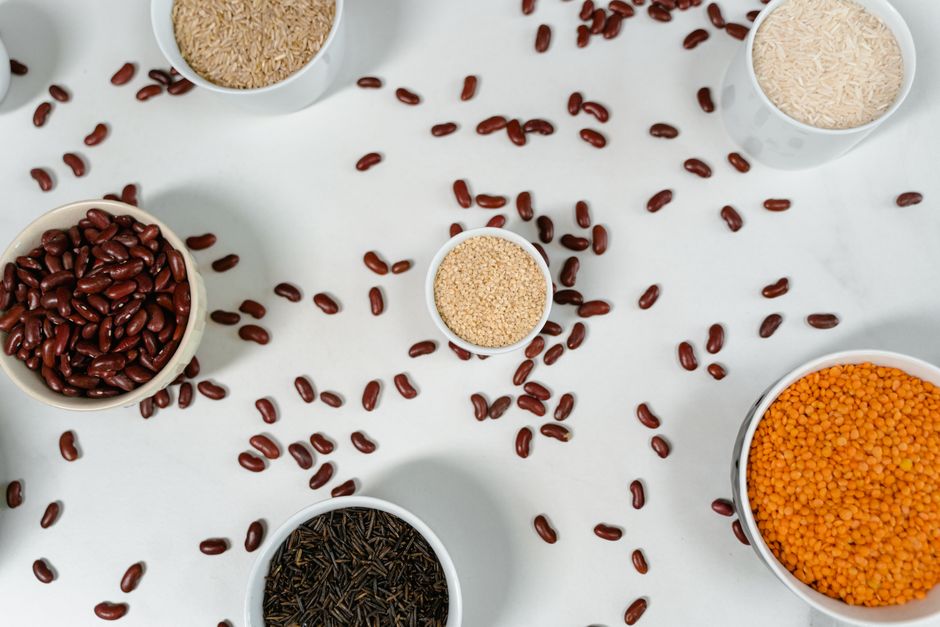
Red beans and rice is a healthy meal for most people. It provides protein, fiber, iron, and B vitamins from the beans, while the rice offers energy from carbohydrates. The real answer depends on how you prepare it and what your health goals are. A simple version with beans, rice, vegetables, and spices is very different from a heavy version loaded with sausage, salt, and oil.
What Are the Main Nutrients in Red Beans and Rice?
Red beans are the star of this dish. They are packed with plant-based protein and soluble fiber. One cup of cooked red kidney beans has about 15 grams of protein and 11 grams of fiber, according to USDA data. That fiber helps lower cholesterol and keeps your digestion regular.
Rice provides the carbohydrates your body uses for energy. Brown rice adds more fiber and nutrients than white rice. A cup of cooked brown rice has about 3.5 grams of fiber, while white rice has less than 1 gram. The combination of beans and rice creates a complete protein, meaning it contains all the essential amino acids your body needs. This is why many cultures have relied on this pairing for centuries.
Beans also supply folate, magnesium, potassium, and iron. These nutrients support heart health, blood pressure regulation, and red blood cell production. The rice adds B vitamins like thiamine and niacin, which help convert food into energy.
Does the Preparation Method Change the Health Impact?
Preparation makes a big difference. A basic pot of red beans cooked with onions, garlic, bell peppers, and spices is a nutrient-dense meal. Adding smoked turkey or a small amount of lean ham adds flavor without huge amounts of fat.
The problems start when you add large amounts of salt pork, bacon, or sausage. These ingredients increase saturated fat and sodium significantly. A single link of andouille sausage can have 500 milligrams of sodium. The American Heart Association recommends no more than 2,300 milligrams of sodium per day, with an ideal limit of 1,500 milligrams for most adults. One heavy bowl of red beans and rice could use up half your daily sodium in one meal.
Another factor is the rice-to-beans ratio. Some recipes use three parts rice to one part beans. This shifts the balance heavily toward carbohydrates and away from protein and fiber. A healthier ratio is roughly equal parts beans and rice, or even more beans than rice.
The cooking fat also matters. Traditional recipes often start with bacon grease or lard. Using olive oil or avocado oil instead reduces saturated fat while still providing flavor. The table below shows how different preparation choices affect the nutrition of a one-cup serving.
| Ingredient Choice | Calories | Protein | Fiber | Sodium |
|---|---|---|---|---|
| Beans, brown rice, vegetables, olive oil | 280 | 12g | 10g | 150mg |
| Beans, white rice, ham, bacon grease | 380 | 14g | 7g | 850mg |
| Beans, white rice, andouille sausage, lard | 450 | 16g | 6g | 1,100mg |
Is Red Beans and Rice Healthy for Weight Loss?
Red beans and rice can support weight loss if you control portions and choose your ingredients wisely. The fiber and protein in beans help you feel full longer. A study published in the journal Appetite found that people who ate beans reported feeling 31% fuller than those who ate a similar meal without beans. This reduced their overall calorie intake later in the day.
The problem is portion size. A typical restaurant serving of red beans and rice can be two to three cups. That single meal might contain 600 to 900 calories. If you are trying to lose weight, stick to one cup of the finished dish. That gives you about 280 to 380 calories depending on preparation, which fits into most weight loss plans.
Brown rice is the better choice for weight loss. It has more fiber and a lower glycemic index than white rice. This means it raises blood sugar more slowly and keeps you full longer. Some people report that white rice makes them feel hungry again sooner.



What Are the Concerns About Lectins in Red Beans?
Red kidney beans contain a compound called phytohemagglutinin, which is a type of lectin. Eating raw or undercooked kidney beans can cause severe nausea, vomiting, and diarrhea. This is a real risk, not a myth. The CDC has documented outbreaks of food poisoning from undercooked kidney beans.
The good news is that proper cooking destroys this lectin completely. You must boil kidney beans for at least 10 minutes at 212°F. Slow cookers do not get hot enough to destroy the lectin. If you use dried beans, boil them on the stovetop first before adding them to a slow cooker. Canned kidney beans are already fully cooked and safe to eat without additional boiling.
There is a lot of misinformation online about lectins being harmful in cooked beans. The evidence does not support this. Research published in the journal Toxins confirms that boiling for 10 minutes reduces lectin activity to undetectable levels. Cooked kidney beans are safe and healthy for almost everyone.
Is Red Beans and Rice Healthy for People with Diabetes?
Red beans and rice can be a good option for people with diabetes if you make smart choices. Beans have a low glycemic index, meaning they do not spike blood sugar. The fiber in beans also slows down how quickly your body absorbs carbohydrates from the rice. A study in the Journal of Nutrition found that eating beans with rice led to a 20% lower blood sugar response compared to eating rice alone.
The type of rice matters a lot. White rice has a high glycemic index and can raise blood sugar quickly. Brown rice has a medium glycemic index and causes a slower rise. For people with diabetes, using brown rice or even replacing half the rice with extra beans is a smart move.
Portion control is still important. A half-cup serving of the finished dish is a reasonable portion for a person with diabetes. Pair it with a large serving of non-starchy vegetables like steamed greens or a salad. This adds volume and nutrients without adding many carbohydrates.
Some people report that adding a tablespoon of vinegar or lemon juice to the dish helps lower the blood sugar response. The acetic acid in vinegar can slow carbohydrate digestion. This is widely claimed though strong evidence is limited. A few small studies suggest it helps, but the effect is modest.
Common Misconceptions About Red Beans and Rice
One common myth is that red beans and rice is a “poor man’s food” with little nutritional value. This is false. The dish has been a staple in many cultures precisely because it provides complete nutrition at a low cost. The combination of beans and rice delivers protein, fiber, complex carbohydrates, and a range of vitamins and minerals.
Another misconception is that canned beans are unhealthy. Canned beans are just as nutritious as dried beans. The main concern is added sodium. A can of red kidney beans can have 400 to 600 milligrams of sodium. Rinsing them under cold water for 30 seconds removes about 40% of the sodium. This is an easy fix that makes canned beans a perfectly healthy choice.
Some people believe that you should avoid beans because of gas and bloating. This is true for some people, especially if they are not used to eating beans regularly. Soaking dried beans overnight and discarding the water before cooking reduces the compounds that cause gas. Gradually increasing your bean intake over a few weeks also helps your digestive system adjust.
There is also a persistent myth that you should not eat beans and rice together because the combination is “too heavy.” This has no basis in science. The combination is actually ideal because the amino acids in beans and rice complement each other to form a complete protein. Many traditional diets around the world rely on this pairing for good reason.
Frequently Asked Questions
Is it okay to eat red beans and rice every day?
Yes, for most people it is fine to eat red beans and rice daily as long as you vary the vegetables and spices and keep sodium and saturated fat under control.
Are canned red beans as healthy as dried beans?
Canned red beans are just as nutritious as dried beans, but you should rinse them to remove excess sodium.
Does red beans and rice cause weight gain?
Red beans and rice does not cause weight gain by itself, but large portions and heavy additions like sausage and bacon grease can add many calories.
What is the healthiest rice to use with red beans?
Brown rice is the healthiest choice because it has more fiber and nutrients than white rice and causes a slower rise in blood sugar.
