
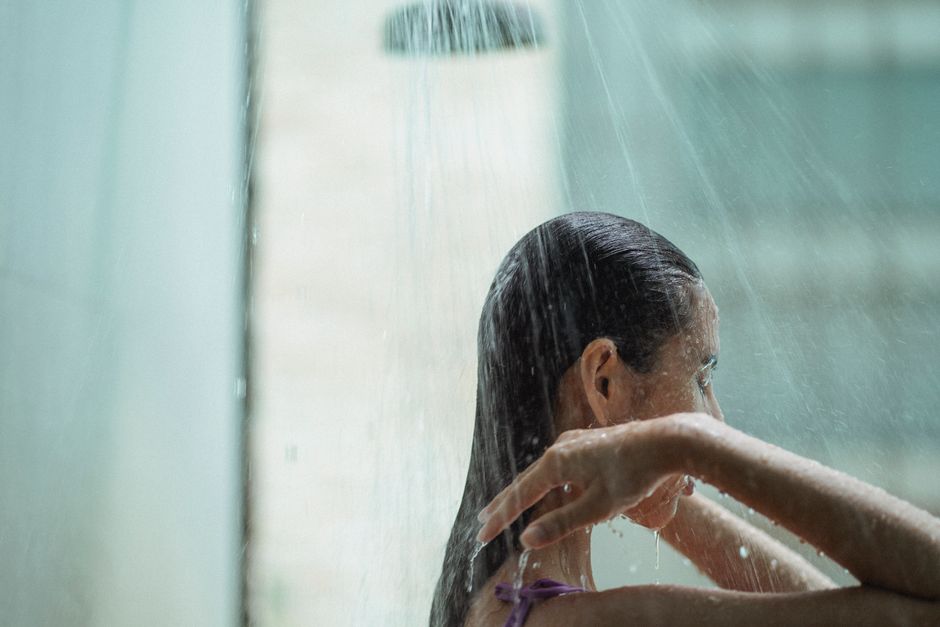
Water alone does not damage hair. Hair gets wet every time you shower, swim, or get caught in the rain, and it recovers. The real question is not whether water touches your hair each day. It is whether the way you wet, wash, and dry it is stripping the natural oils and proteins that keep it strong. Plain water rinses out some dirt and sweat, but it does not remove the oils that shampoo targets. So the short answer is no, putting water in your hair every day is not inherently bad. What happens around the water matters far more.
What Does Water Actually Do to Your Hair?
Hair is mostly protein, held together by bonds that respond to water. When your hair gets wet, the outer layer, called the cuticle, lifts slightly and the strand swells. This is normal and temporary. As the hair dries, the cuticle settles back down.
The swelling is where things can go wrong. Wet hair is more fragile than dry hair because the bonds inside it are temporarily loosened. Stretching or brushing wet hair can cause it to break more easily. This is why gentle handling when hair is wet matters more than whether it got wet in the first place.
Water also raises the cuticle enough that whatever is dissolved in the water can get inside the strand. That is helpful when you apply conditioner. It is less helpful when the water contains minerals or when you rough up the cuticle with a towel.
Is Putting Water In Your Hair Everyday Bad?
No. Daily water exposure by itself does not damage hair. The problem is what usually comes with it.
Most people who wet their hair every day are also shampooing every day. Shampoo is designed to remove oil, and it does not always distinguish between the oil you want gone and the natural oils that protect your scalp and coat the hair shaft. Frequent shampooing can leave hair drier, rougher, and more prone to breakage.
There is also a difference between rinsing and washing. A plain water rinse removes some surface dirt and sweat without stripping much oil. A full shampoo lather removes far more. If your hair feels fine and your scalp is comfortable, daily rinsing is unlikely to cause harm.
People with oily scalps often find daily washing keeps things manageable. People with dry or curly hair often find it makes things worse. Both are normal. Hair type and scalp type drive the answer more than the water does.
Why Wet Hair Breaks More Easily
Wet hair stretches further before it snaps back and is more vulnerable to mechanical damage. The cuticle is raised and the internal bonds are looser, so friction and tension do more harm than they would on dry hair.
The biggest culprits are not water itself. They are the habits that follow.
- Brushing or combing wet hair with a fine-tooth comb or a stiff brush
- Rubbing hair vigorously with a towel instead of blotting
- Pulling hair back tightly while it is still wet
- Using high heat on hair that is already wet and fragile
Switching to a wide-tooth comb, blotting instead of rubbing, and letting hair air-dry partway before styling can reduce breakage without changing how often you get your hair wet.
Does Water Quality Matter for Hair?
Yes, and this is where a lot of confusion lives. Water is not just water. It carries dissolved minerals, and the amount varies widely by location.
Hard water contains higher levels of calcium and magnesium. Some research suggests hard water can leave mineral deposits on hair, making it feel rougher and look duller over time. The evidence on how much this affects hair health is not settled, and results vary from person to person.
Chlorine in treated water is another factor. It is present at levels considered safe for drinking and bathing, but some people find it drying to hair with frequent exposure. Swimmers who spend long hours in chlorinated pools often notice more dryness than people who simply shower daily.
If you suspect your water is the issue, a shower filter may reduce some minerals and chlorine. Whether it makes a noticeable difference to your hair is not strongly established. Many people report improvement, but large controlled studies are lacking.
How Often Should You Actually Wet Your Hair?
There is no single correct number. The right frequency depends on your scalp, your hair type, and how much oil and product build up between washes.
For many people, washing every one to three days works well. People with very oily scalps may need daily washing. People with dry, curly, or coily hair often do better with less frequent washing and more conditioning between washes.
What matters more than the count is how your scalp and hair respond. If your scalp is itchy, flaky, or tight, or your hair feels brittle and straw-like, that is a signal to adjust. If your hair feels soft and your scalp is comfortable, your routine is probably fine.
A common mistake is assuming less washing is always better. For some scalps, going too long between washes lets oil and dead skin build up, which can cause itching and flaking. The goal is balance, not a fixed rule.
What About Hair Drying and Styling After Water?
How you dry your hair after it gets wet has more impact on damage than the water itself. Heat and friction are the two main sources of harm.
Air drying is the gentlest option. If you use a blow dryer, keeping it on a lower heat setting and holding it several inches from your hair reduces the risk. High heat applied to wet hair can cause the water inside the strand to heat up quickly, which stresses the cuticle.
Towel drying is another common misstep. Rubbing hair vigorously with a terrycloth towel creates friction that roughs up the cuticle. Blotting gently or using a soft cotton shirt or microfiber towel causes less disruption.
If you use heat tools like flat irons or curling wands, make sure hair is fully dry first. Applying high heat to damp hair is more damaging than applying it to dry hair.
Does Getting Hair Wet Every Day Cause Hair Loss?
No. Water does not cause hair loss. Hair shedding is driven by genetics, hormones, medical conditions, nutrition, stress, and medications, not by how often your hair gets wet.
It is normal to lose some hair each day as part of the natural growth cycle. Finding more hair in your brush or shower drain can be alarming, but it usually reflects the shedding phase of the cycle rather than damage from water.
If you notice sudden or significant hair loss, that is worth discussing with a doctor. It can be a sign of an underlying issue like thyroid problems, iron deficiency, or a medication side effect. Water exposure is not on that list.
What Actually Protects Hair From Daily Wear
The habits that protect hair are simple and well established. They center on reducing friction, limiting heat, and supporting the scalp.
- Use conditioner after washing to smooth the cuticle and reduce tangles
- Detangle gently, starting at the ends and working up
- Limit heat styling and use lower settings when you do
- Avoid tight hairstyles that pull on the roots, especially when hair is wet
- Eat enough protein, iron, and other nutrients that support hair growth
None of these require avoiding water. They require paying attention to what happens before and after your hair gets wet.
Frequently Asked Questions
Is it bad to wet your hair every day without shampooing?
No, rinsing your hair with plain water daily is generally not harmful and removes some surface dirt and sweat. It does not strip the natural oils the way shampoo does, so it is a gentler option for most people.
Can water damage your hair over time?
Water alone does not damage hair. Damage comes from what accompanies it, such as frequent shampooing, rough towel drying, brushing wet hair, and high heat styling.
Does hard water cause hair loss?
No, hard water is not known to cause hair loss. It may leave mineral deposits that make hair feel rougher or look duller, but shedding is driven by other factors like genetics, hormones, and health conditions.
Should I stop washing my hair every day?
Not necessarily. Daily washing works well for people with oily scalps, while others do better washing every few days. The right frequency depends on how your scalp and hair respond.
