
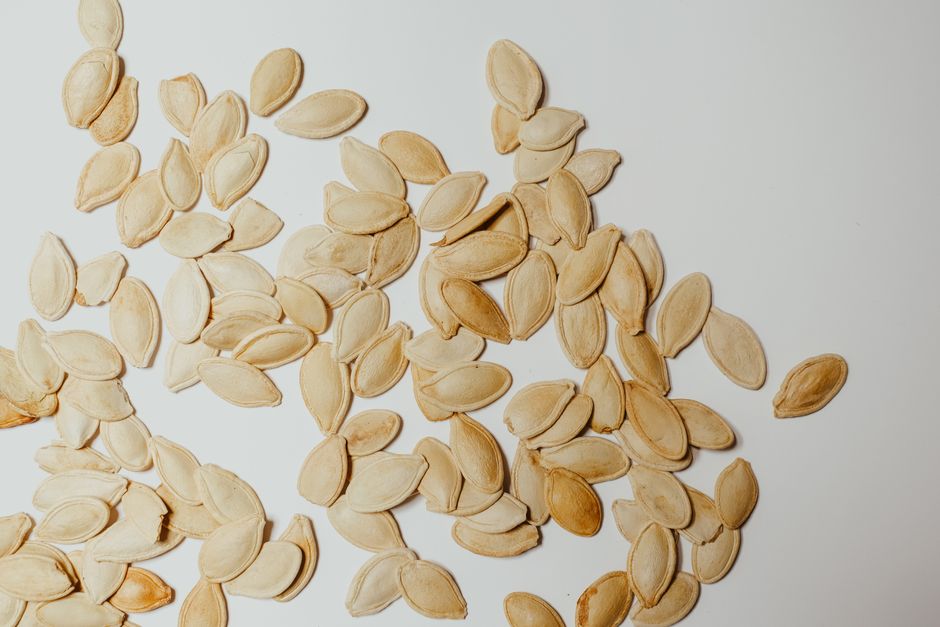
Pumpkin seed oil is a dark green oil pressed from hulled pumpkin seeds. It contains vitamin E, zinc, and a group of fats called polyunsaturated fatty acids. But a nutrient-rich oil is not automatically an effective skin treatment, and the gap between what a substance contains and what it does on human skin is where most marketing claims fall apart.
Here is the honest answer. There is no strong clinical evidence that pumpkin seed oil improves skin when applied topically or taken as a supplement. Some small studies suggest it may help with hair growth in specific conditions. For skin specifically, the evidence is thin. Most claims rest on the oil’s nutrient content and laboratory findings, not on human trials measuring skin outcomes.
What Is Pumpkin Seed Oil and What Does It Contain?
Pumpkin seed oil is a culinary oil, traditionally cold-pressed from the seeds of Cucurbita species. It has a nutty flavor and a deep green color that comes from chlorophyll and other pigments. It is used in salad dressings and as a finishing oil in parts of Central Europe.
Its nutritional profile is genuinely interesting. Pumpkin seeds are one of the better plant sources of zinc, and the oil retains some vitamin E (tocopherols) and phytosterols. It is also high in linoleic acid, a polyunsaturated fat.
That profile is the foundation of nearly every skin claim you will see. The reasoning goes like this: zinc supports skin healing, vitamin E is an antioxidant, and linoleic acid is a component of the skin barrier. Therefore pumpkin seed oil must be good for skin.
That logic does not hold up on its own. Having a nutrient in a bottle is not the same as delivering it into skin in a form the body can use. Biological plausibility is not the same as demonstrated benefit.
Is Pumpkin Seed Oil Good For Skin What Science Says
The direct human evidence for pumpkin seed oil on skin is limited. This is the honest position, and it is worth stating plainly because the internet rarely does.
There is no body of large, controlled trials showing that applying pumpkin seed oil to the face reduces wrinkles, fades dark spots, treats acne, or improves skin hydration. If those claims appear in a product description, they are not backed by strong clinical research.
What does exist is mostly indirect. Some studies have looked at pumpkin seed oil in combination with other ingredients, often for hair rather than skin. One area with more attention is androgenetic alopecia, or male-pattern hair loss. A small number of studies have examined pumpkin seed oil taken by mouth for hair growth, with some suggesting a modest effect. These studies are small, and hair is not skin. Results there do not transfer automatically to facial skin.
There is also laboratory research on pumpkin seed extract and its antioxidant activity in cell cultures. Cell studies are a starting point, not proof. Many substances that look promising in a petri dish do nothing useful on living human skin, often because they cannot penetrate the outer layer.
So the accurate summary is this: pumpkin seed oil is not harmful to most skin, and it may function as a mild emollient, meaning it can soften and condition the surface of skin. But claims that it repairs, rejuvenates, or transforms skin are ahead of the evidence.
Why Nutrient Content Does Not Equal Skin Benefit
This is the part most articles skip, and it explains why so many “nutrient-rich” oils disappoint.
Skin is designed to keep things out. The outermost layer, the stratum corneum, is a barrier of dead cells and lipids that blocks most substances from entering. A nutrient sitting on top of that barrier may never reach the living cells underneath.
Vitamin E is a good example. It is a genuine antioxidant, and it is present in pumpkin seed oil. But the amount in the oil, and whether it penetrates skin in a useful form, is a separate question from whether vitamin E matters for skin at all. Topical vitamin E has been studied for scar healing, and the results have been mixed at best. Some people develop contact dermatitis from it.
Zinc is another case. Zinc is important for skin, and zinc deficiency causes skin problems. But correcting a deficiency is not the same as adding extra zinc to already-sufficient skin. If you are not deficient, more zinc does not automatically mean better skin.
Linoleic acid deserves a fair mention. It is a real component of the skin barrier, and some research links low linoleic acid in skin surface lipids to certain skin conditions. But whether applying linoleic-acid-rich oil improves those conditions is not well established. The evidence is mixed.
The pattern repeats across the board. A nutrient matters when it is missing. When it is not missing, adding more rarely produces the dramatic results marketing implies.



What Are the Risks and Limitations?
Pumpkin seed oil is generally well tolerated when used on skin, but “generally” is not “always.”
- Allergic reactions. Any botanical oil can trigger contact dermatitis in sensitive people. If you have a seed or nut allergy, patch test first.
- Comedogenic potential. Some oils can clog pores in acne-prone skin. Whether pumpkin seed oil does this varies by person, and there is no reliable data ranking it against other oils.
- Rancidity. Polyunsaturated oils oxidize over time. Rancid oil can irritate skin and loses its antioxidant value. Store it cool and dark.
- No standardization. Unlike drugs, cosmetic oils are not required to contain a consistent amount of any active compound. Two bottles can differ substantially.
There is also the question of supplements. Pumpkin seed oil capsules are sold for various purposes. Oral supplements are not regulated the way medications are, and the evidence for skin benefits from taking them is weak.
How Does It Compare to Ingredients With Stronger Evidence?
If the goal is healthier-looking skin, several ingredients have far more human research behind them than pumpkin seed oil. This is not a reason to avoid pumpkin seed oil. It is a reason to be realistic about what it can do.
| Ingredient | Evidence for skin benefit | Typical use |
|---|---|---|
| Pumpkin seed oil | Limited; mostly indirect or lab-based | Emollient, hair research |
| Retinoids | Strong; among the best-studied | Acne, fine lines, texture |
| Niacinamide | Good; multiple controlled studies | Barrier, tone, oil control |
| Vitamin C | Moderate; antioxidant and tone | Brightening, antioxidant |
| Sunscreen | Very strong; prevents damage | Daily protection |
The single most evidence-backed thing you can do for skin is protect it from ultraviolet light. Sunscreen use has strong, consistent support. No oil matches that.
Retinoids, including prescription forms and over-the-counter retinol, have decades of research behind them for acne and signs of aging. Niacinamide has solid controlled studies for barrier support and tone. These are not marketing claims. They are well-established.
Pumpkin seed oil can sit alongside these as a pleasant, mild moisturizing oil. It should not replace them if you have a specific skin concern.
Should You Use Pumpkin Seed Oil on Your Skin?
There is no clinical guideline recommending pumpkin seed oil for any skin condition. That is a factual statement, not a warning.
If you enjoy using it and your skin tolerates it, there is no strong reason to stop. As a light emollient, it can help soften dry skin on the surface. Some people find it pleasant under makeup or as a nighttime oil.
What you should not expect is repair of sun damage, fading of scars, or treatment of acne. Those outcomes require ingredients and approaches with actual evidence behind them.
If you have a persistent skin problem, a dermatologist can assess what is actually going on. Many conditions look similar and require different treatment. Self-treating with an oil can delay getting the right answer.
The broader lesson applies well beyond pumpkin seed oil. A long ingredient list and a nutrient-dense profile are not evidence of effectiveness. When you see a skin claim, ask a simple question: was this tested on human skin with a control group? For pumpkin seed oil, the answer is rarely yes.
Frequently Asked Questions
Is pumpkin seed oil good for your face?
It can work as a mild moisturizing oil, but there is no strong clinical evidence it treats wrinkles, acne, or dark spots. Treat it as a surface emollient, not a treatment.
Can pumpkin seed oil help with acne?
No controlled studies show pumpkin seed oil clears acne. Some oils can clog pores in acne-prone skin, so patch test before using it on your face.
Does pumpkin seed oil help hair growth?
Some small studies suggest oral pumpkin seed oil may modestly help in male-pattern hair loss, but the research is limited. It is not established as a hair treatment.
Is pumpkin seed oil safe to put on skin?
It is generally well tolerated, but it can cause allergic reactions in sensitive people and may clog pores. Store it cool and dark, since it goes rancid over time.
